Develop a Creative Strategy: Attack a Boring Truth

What is the Attack a Boring Truth Strategy and when should I use it?

Look, most marketing tries to hide the boring parts of your product under a mountain of lifestyle fluff. This strategy does the opposite. It takes a fact so mundane it normally puts people to sleep and stares at it until it becomes weirdly hilarious or deeply uncomfortable. You use it when your product is objectively unexciting but fundamentally better than the alternative. If you are selling something as thrilling as beige wallpaper or oat milk, stop pretending it’s a skydiving trip. Embrace the dullness. Turn the plain truth into a weapon before your audience dies of pure boredom. Seriously.

How to execute this strategy effectively

First, find a truth about your product that is so basic it’s almost insulting to mention. Then, instead of ignoring it, lean into the awkwardness. You need to be self-aware enough to realize that no one cares about your "innovative processing," but they might care if you admit it sounds like a robot having a stroke. The execution must be deadpan. If you wink at the camera, you’ve lost. Treat the boring fact like the most important news on the planet. It’s about being honest in a world of polished lies. If you can’t handle being the butt of the joke, go back to your generic stock photos. Do it.

Example: Oatly – "Wow No Cow" (2019–2021).

Oatly’s "Wow No Cow" campaign is the gold standard for making the mundane magnetic. The CEO stood in a field of oats, played a keyboard, and sang a repetitive, low-budget song about milk not coming from a cow. It was awkward, it was painfully simple, and it was impossible to ignore. By refusing to use high-gloss production or celebrity cameos, they turned the basic "it is just oats" reality into a cultural moment that felt authentic and defiant.

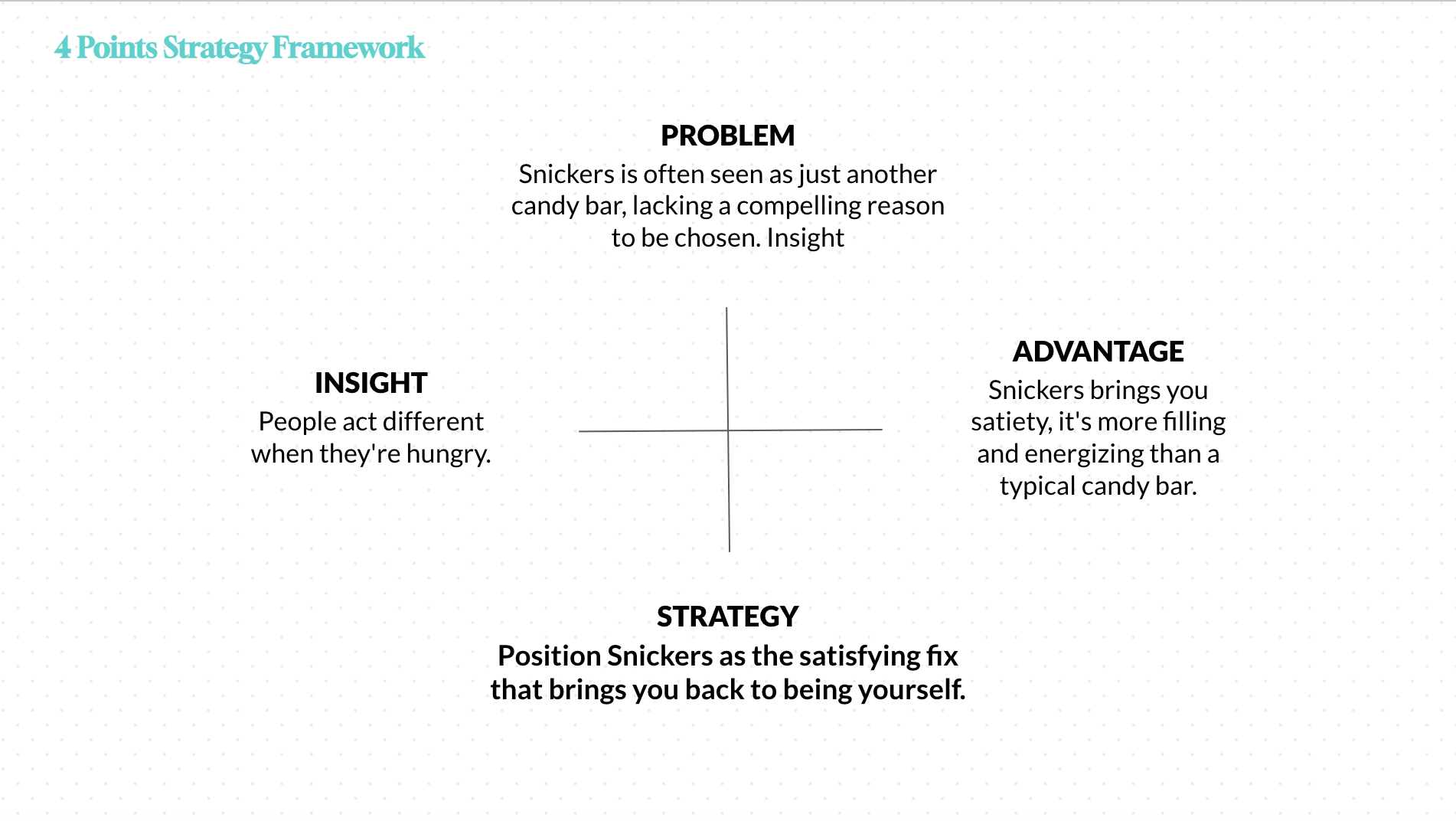
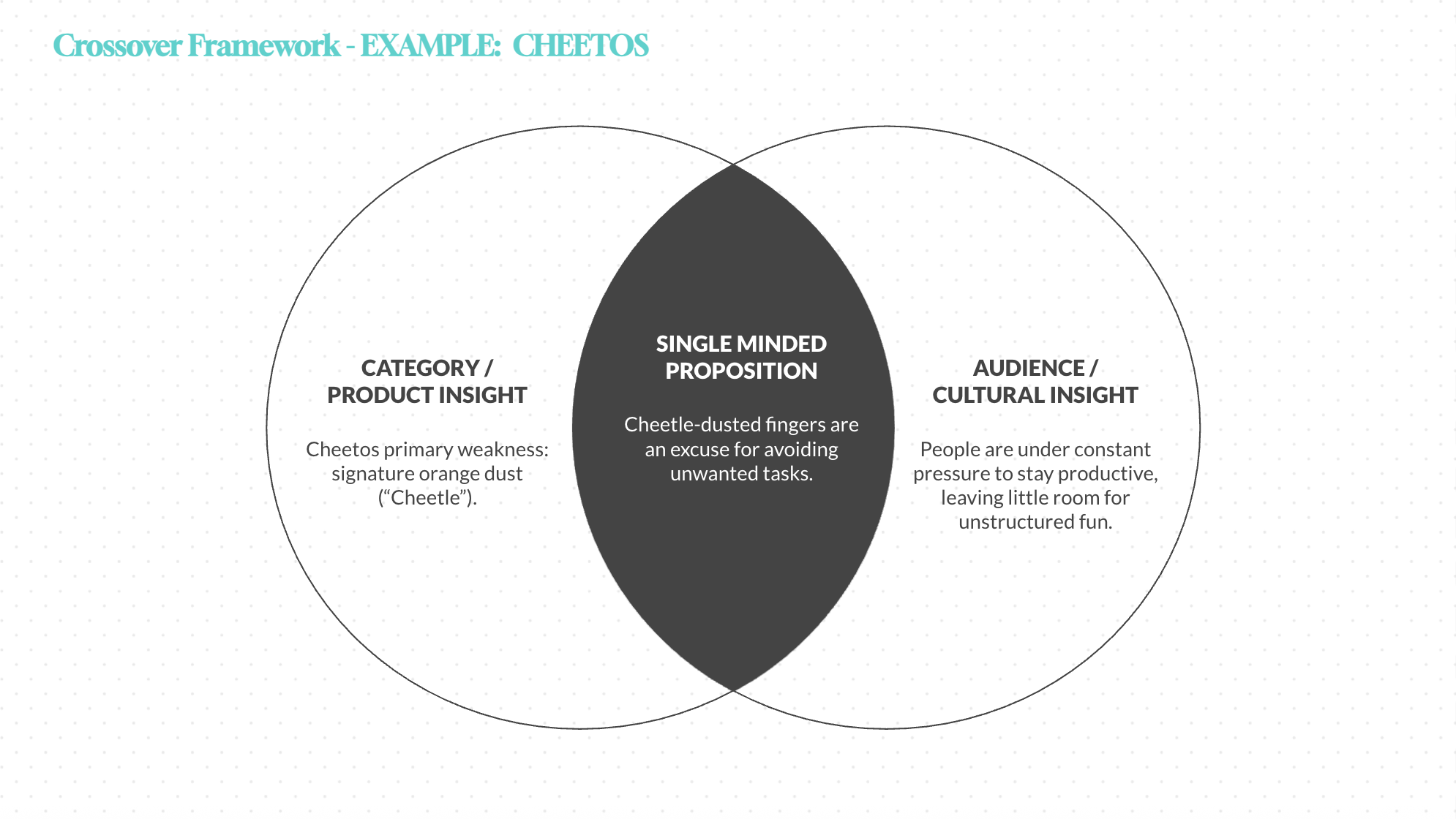
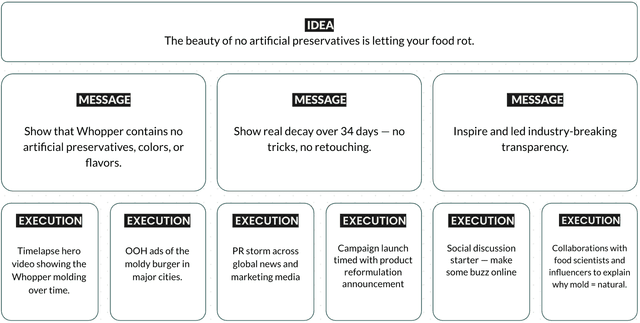
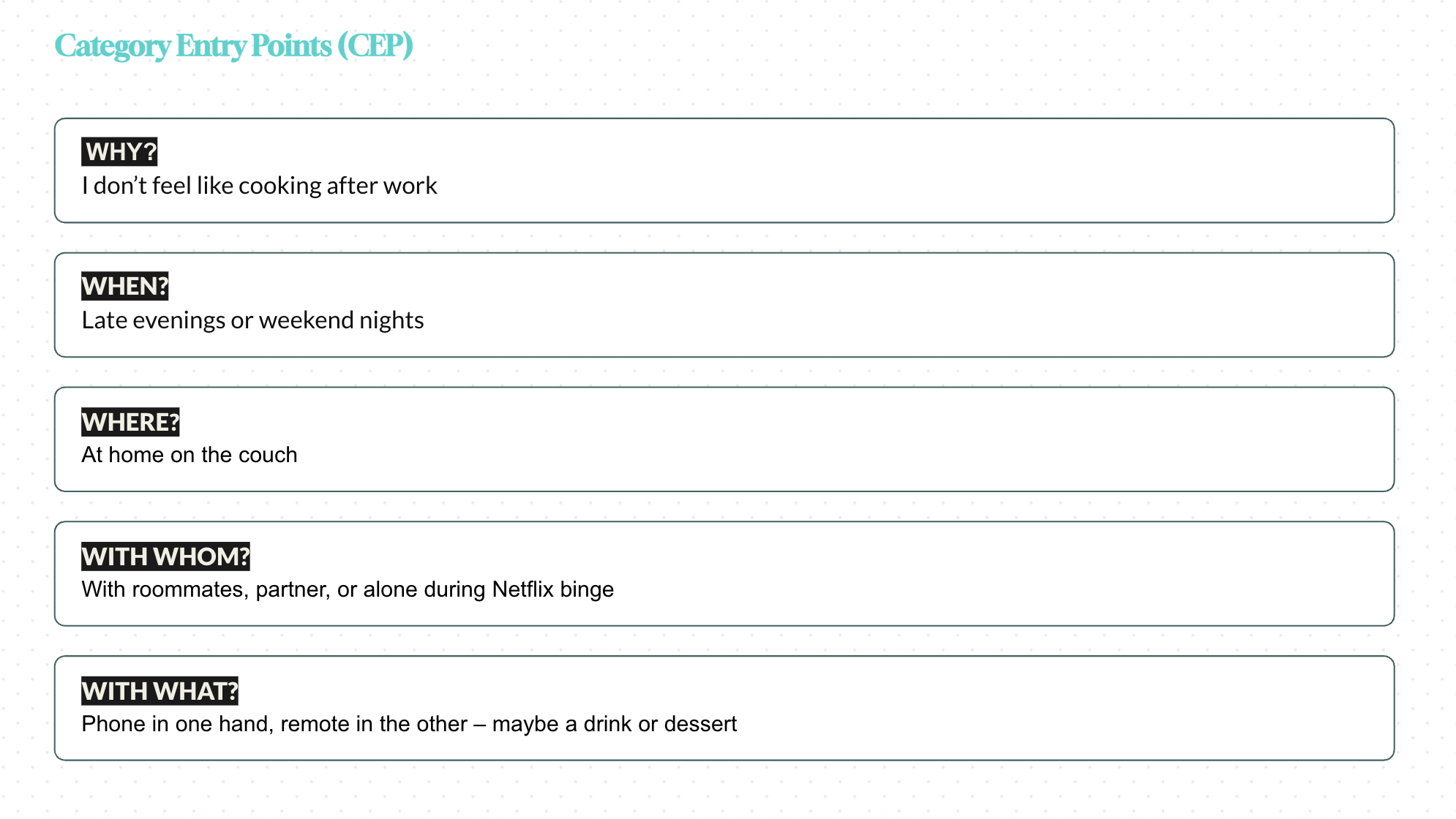
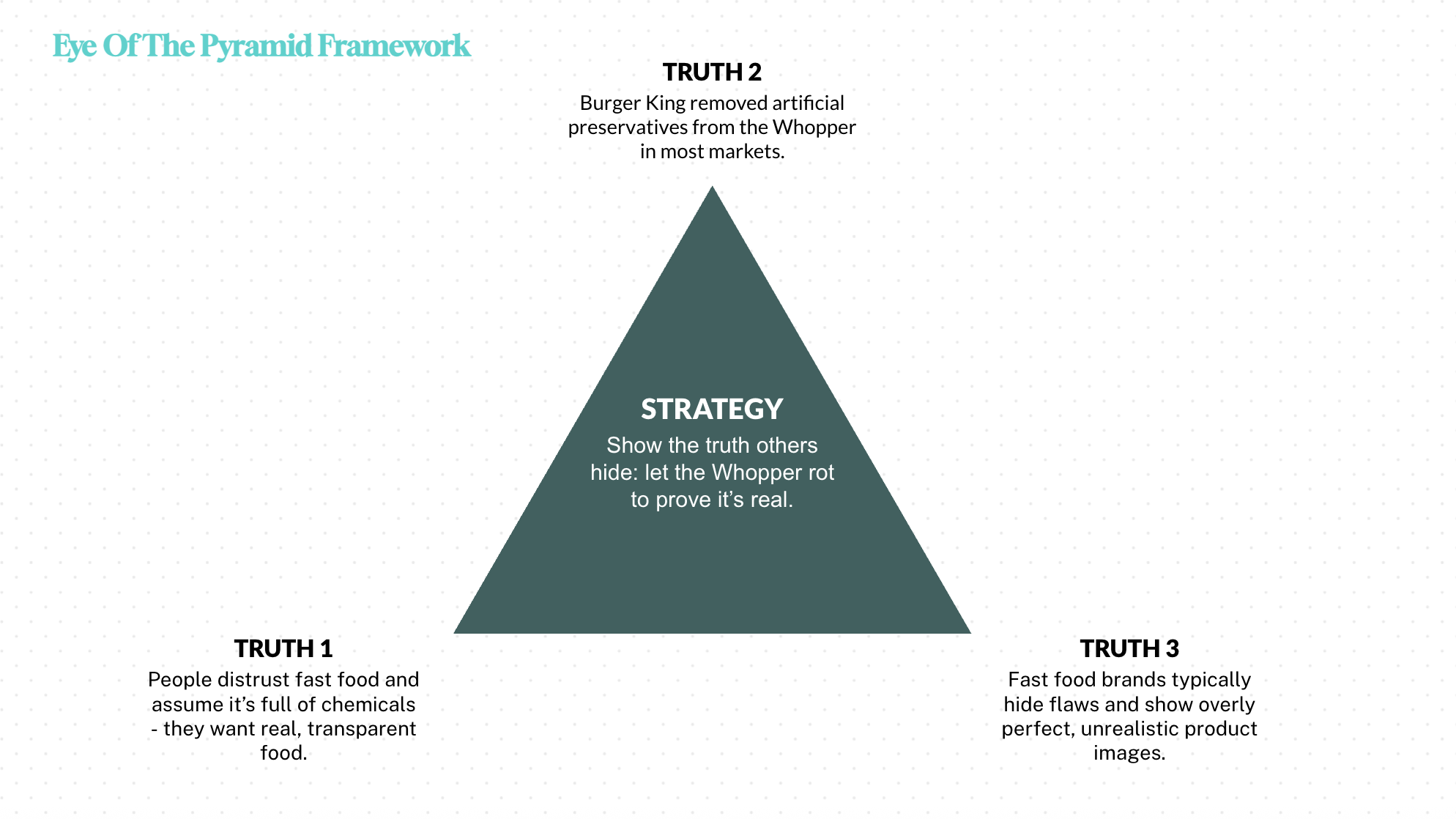
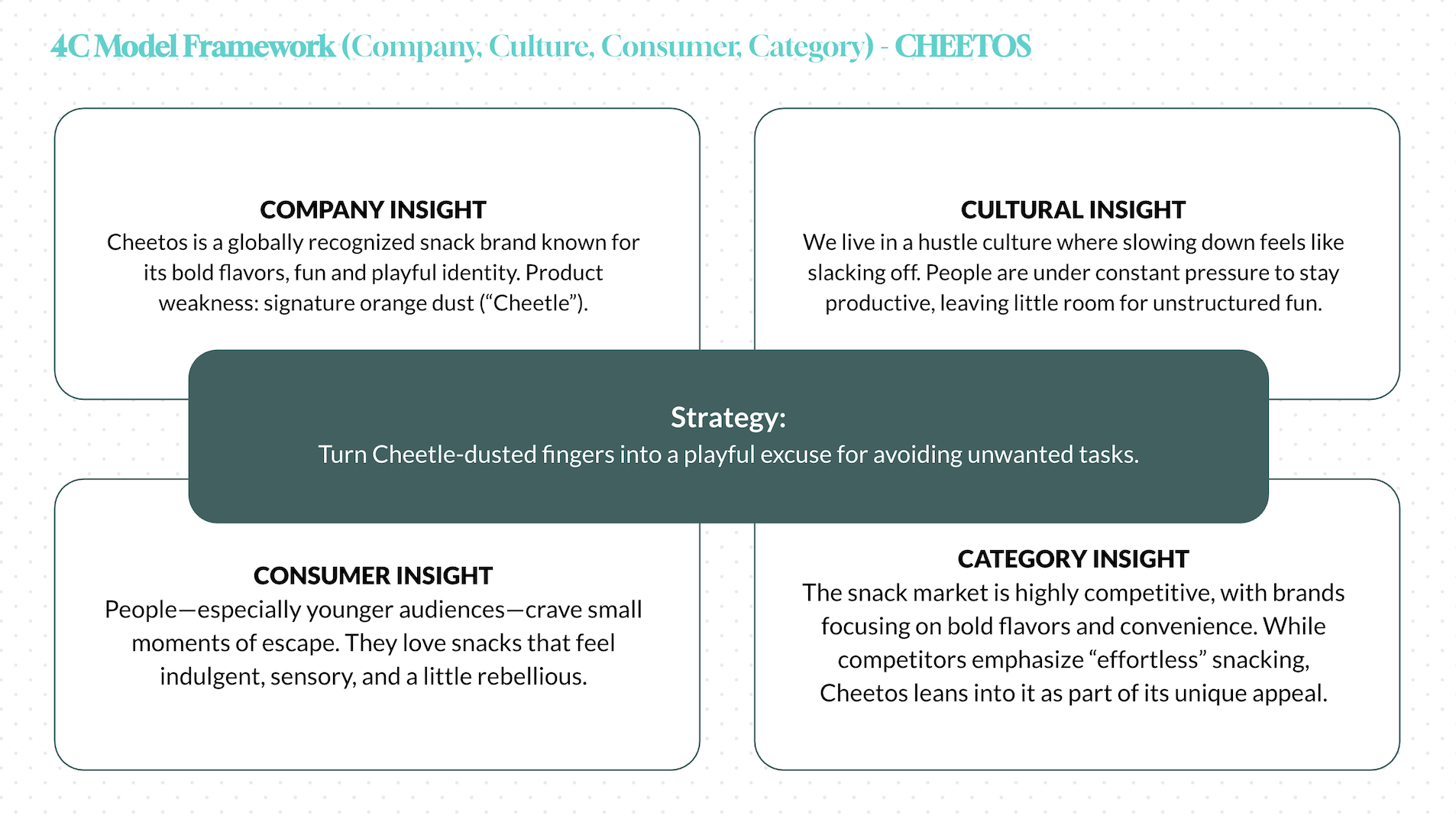
Creative Strategy Deconstructed in 4C Framework

Company INSIGHT

Oatly had a high-quality product but a CEO who wasn't a polished spokesperson. They used their limited budget and outsider status as a creative asset.

Category INSIGHT

The dairy alternative category was full of pristine, clinical imagery of splashing milk and healthy families. It was repetitive and lacked any real personality.

Strategy:

Use a low-budget, self-aware musical performance to turn the simple fact of "milk from oats" into a memorable anti-advertisement.

Customer INSIGHT

Consumers were tired of being lectured about health. They wanted brands that felt like real people, not corporations trying to save the world with a glossy filter.

Culture INSIGHT

There was a growing skepticism toward traditional advertising and a rise in anti-marketing sentiment. People were ready to embrace something intentionally low-fi.

Why is Attack a Boring Truth a Great Strategy?

It turns your product's biggest weakness—being incredibly dull—into its most memorable strength.

It cuts through over-polished marketing noise.

Self-awareness builds immediate trust with audiences.

Mundane truths are universally relatable facts.

Low-budget vibes feel more authentic today.

When you stop trying to be cool, you actually become interesting. This strategy works because it respects the customer's intelligence by not pretending a commodity is a lifestyle choice. It’s refreshingly honest and surprisingly hard to forget.

! When not to use the "Attack a Boring Truth" Strategy

Don't use this Strategy if your brand is so fragile that a single joke about your boring product will cause the board to have a collective heart attack.

Steps to implement: Stop Pretending Your Product Is Actually Exciting

1

Identify the most obvious, boring fact

Stop looking for "innovation" and start looking for the obvious. What is the one thing everyone knows about your product that no one bothers to say? For Oatly, it was the fact that it’s just liquid oats. It’s not magic; it’s just plants in a carton. Find that baseline truth and pin it to the wall before you try to get fancy.

2

Strip away all the corporate polish

Fire the high-fashion photographers and the slow-motion food stylists. If the truth is boring, the presentation should be equally unpretentious. The goal is to look like you didn't try too hard because the truth speaks for itself. If it looks like a million-dollar ad, the "boring truth" will feel like a lie. Keep it raw and keep it real.

3

Lean into the inherent awkwardness

This is where most people chicken out. You need to make it a little uncomfortable. If the CEO singing in a field feels weird, you’re on the right track. Don't smooth out the edges; sharpen them. The more awkward the delivery, the more human the brand feels. People don't trust perfect corporations, but they might trust a guy with a keyboard.

4

Repeat the truth until it sticks

Boring truths need repetition to become iconic. Don't just say it once and move on to a "real" campaign. Turn that mundane fact into a mantra. The "Wow No Cow" jingle worked because it was simple enough to get stuck in your brain like a parasite. Consistency is the difference between a weird one-off and a brilliant strategy.

5

Defend the idea against the boring

Your stakeholders will hate this. They’ll want to add a "benefit" or a "value prop." Tell them to sit down. The moment you add "and it also has Vitamin D!" you’ve ruined the purity of the attack. Stick to the boring truth. If you dilute the message, you’re just making another forgettable ad that no one will ever watch.

Related Creative Strategy Techniques

Explore Strategy Frameworks

Use these proven frameworks to build your creative strategy and implement the Attack a Boring Truth approach effectively.
We use cookies on our site to enhance your user experience, provide personalized content, and analyze our traffic. Cookie Policy