Build a Creative Strategy: Attack a Cultural Blind Spot
What is the Attack a Cultural Blind Spot Strategy and when should I use it?
Look, most brands are too terrified to point out the elephant in the room because the elephant might tweet something mean. This strategy is for when you're tired of pretending a massive cultural friction point doesn't exist. You find the thing everyone is whispering about or ignoring because it’s 'too heavy' for a 30-second spot, and you put a spotlight on it. It’s not about being edgy for the sake of a Cannes Lion; it’s about being the only brand in the room with eyes. Use it when your audience is exhausted by the status quo and needs someone to finally say the quiet part out loud!!
How to execute this strategy effectively
Execution requires a spine, which I know is a big ask for your committee. First, find a tension that’s actually real, not some manufactured PR nonsense. You need to validate the experience of people who feel unseen without making it look like a cheap grab for 'authenticity' points. If you’re going to call out a blind spot, your brand better have the receipts to show you aren't part of the problem. Don't just point at the fire; show you know why it's burning. If you do it right, you stop being a logo and start being a witness. If you do it wrong, you’re just another tone-deaf corporate ghoul. OK?
Example: P&G – "The Talk" (2017; expanded in 2020).
P&G didn't just sell soap with 'The Talk'; they highlighted the agonizing conversations Black parents have with their kids about racism and police brutality—a reality white consumers often ignore. It wasn't a 'buy more Tide' ad; it was a mirror. By showing these intimate, painful moments across decades, they forced a comfortable audience to acknowledge a systemic blind spot, transforming a CPG giant into a voice that actually understood the stakes. Go.
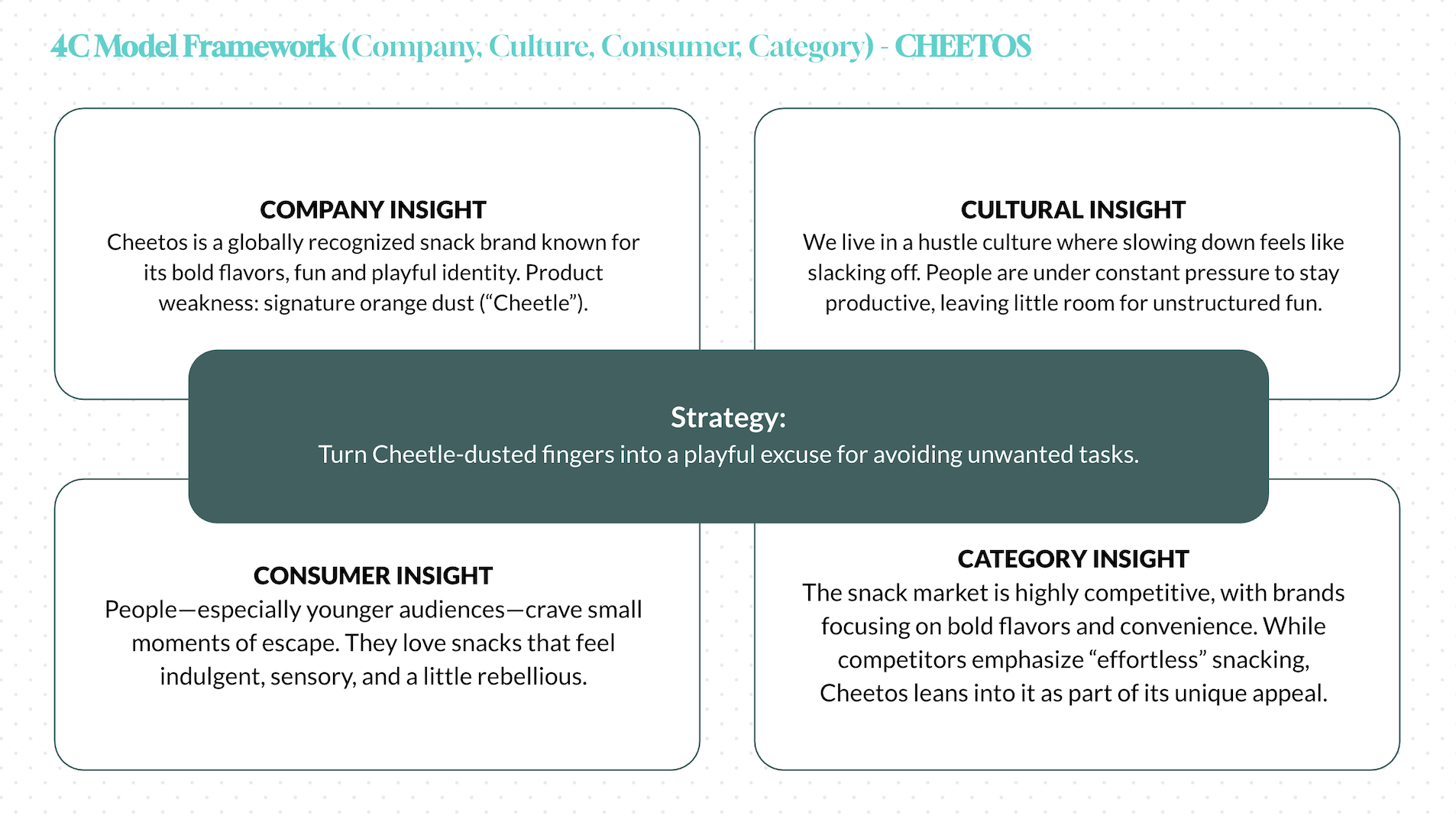
Creative Strategy Deconstructed in 4C Framework
Company INSIGHT
P&G leveraged its massive scale as a household staple to act as a moral authority that could reach millions of diverse homes simultaneously.
Category INSIGHT
The CPG category usually sticks to 'happy families' and clean laundry, ignoring the systemic anxieties that keep those families awake at night.
Strategy:
Use the brand's ubiquity to force a mainstream acknowledgment of the 'unspoken' safety talks Black families are forced to have, proving P&G sees the whole family.
Customer INSIGHT
Black parents who felt their daily reality of protecting children from systemic racism was completely absent from mainstream media and brand narratives.
Culture INSIGHT
Tapping into the growing Black Lives Matter movement and the urgent need for corporate accountability in addressing racial injustice beyond just empty black squares.
Strategy:
Use the brand's ubiquity to force a mainstream acknowledgment of the 'unspoken' safety talks Black families are forced to have, proving P&G sees the whole family.
Company INSIGHT
P&G leveraged its massive scale as a household staple to act as a moral authority that could reach millions of diverse homes simultaneously.
Category INSIGHT
The CPG category usually sticks to 'happy families' and clean laundry, ignoring the systemic anxieties that keep those families awake at night.
Customer INSIGHT
Black parents who felt their daily reality of protecting children from systemic racism was completely absent from mainstream media and brand narratives.
Culture INSIGHT
Tapping into the growing Black Lives Matter movement and the urgent need for corporate accountability in addressing racial injustice beyond just empty black squares.
Why is Attack a Cultural Blind Spot a Great Strategy?
It cuts through the noise because it’s the only thing that feels like the truth.
It creates immediate, visceral emotional resonance.
Competitors are usually too cowardly to try.
It builds deep, long-term brand credibility.
It forces people to stop scrolling immediately.
When you stop lying to your customers about the world they live in, they might actually start trusting you. It’s about being human in a sea of corporate robots instead of another faceless entity.
! When not to use the "Attack a Cultural Blind Spot" Strategy
Don't use this Strategy if your brand is the one causing the blind spot or if your legal team has already neutered the message into a meaningless puddle.
Steps to implement: How to stop being blind to reality.
Find the tension everyone is ignoring.
Look for the stuff that makes your legal team sweat. It’s the friction point that everyone feels but no one mentions in the brief. If it’s uncomfortable, you’re getting warm. If it’s safe, you’re just making another wallpaper ad that will be forgotten by lunch. Dig into the 'why' behind the silence to find your true angle.
Check your own brand’s baggage first.
Before you point fingers at society, make sure your house isn't on fire. If your brand has been benefiting from the blind spot you’re attacking, you’re going to get shredded on Twitter. This strategy requires radical honesty. If you aren't prepared to admit your own faults, don't even bother starting. Authenticity isn't a buzzword here; it is your only survival.
Center the human, not the product.
In 'The Talk,' P&G didn't put a bottle of Dawn on the table during a conversation about racial profiling. That would be insane. Keep the product in the background where it belongs. This is about the experience, the emotion, and the reality of the customer. Let the story do the heavy lifting while your brand provides the platform for it.
Commit to the long-term discomfort.
You can't just drop a heavy ad and then go back to 'buy one get one free' emails the next day. Attacking a blind spot is a promise to stay in the conversation. If you’re not ready to support the cause when the backlash hits—and it will hit—then you’re just a tourist in someone else’s struggle. You must stay the course.
Measure impact beyond the vanity metrics.
Stop obsessing over likes and start looking at brand sentiment and cultural share of voice. Did you actually change the conversation? Did you make people feel seen? If the only thing that moved was your click-through rate, you failed the assignment. Real impact is measured in trust, not just some temporary spike in your dashboard's engagement graph. Get real or get out.
Related Creative Strategy Techniques
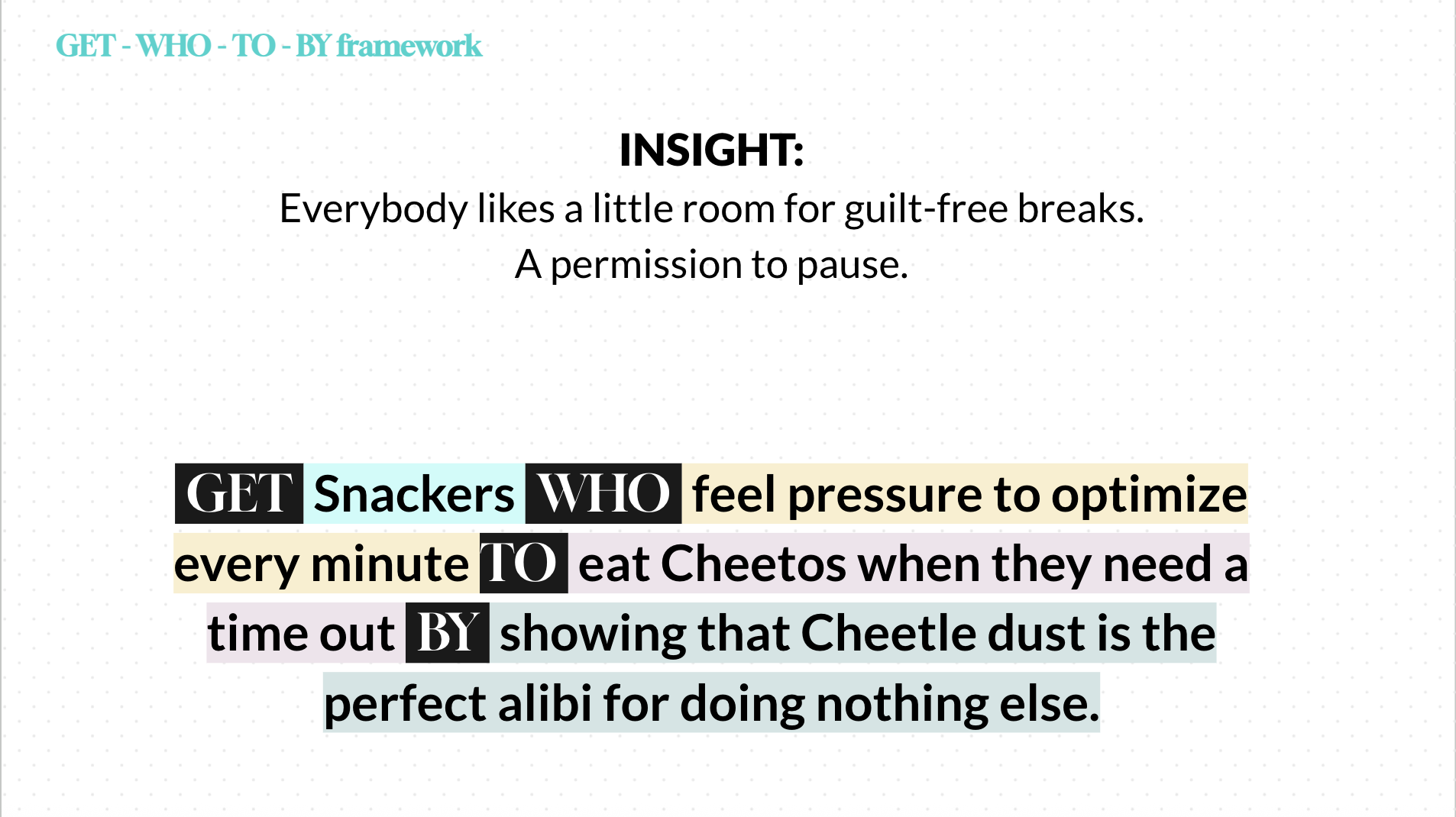
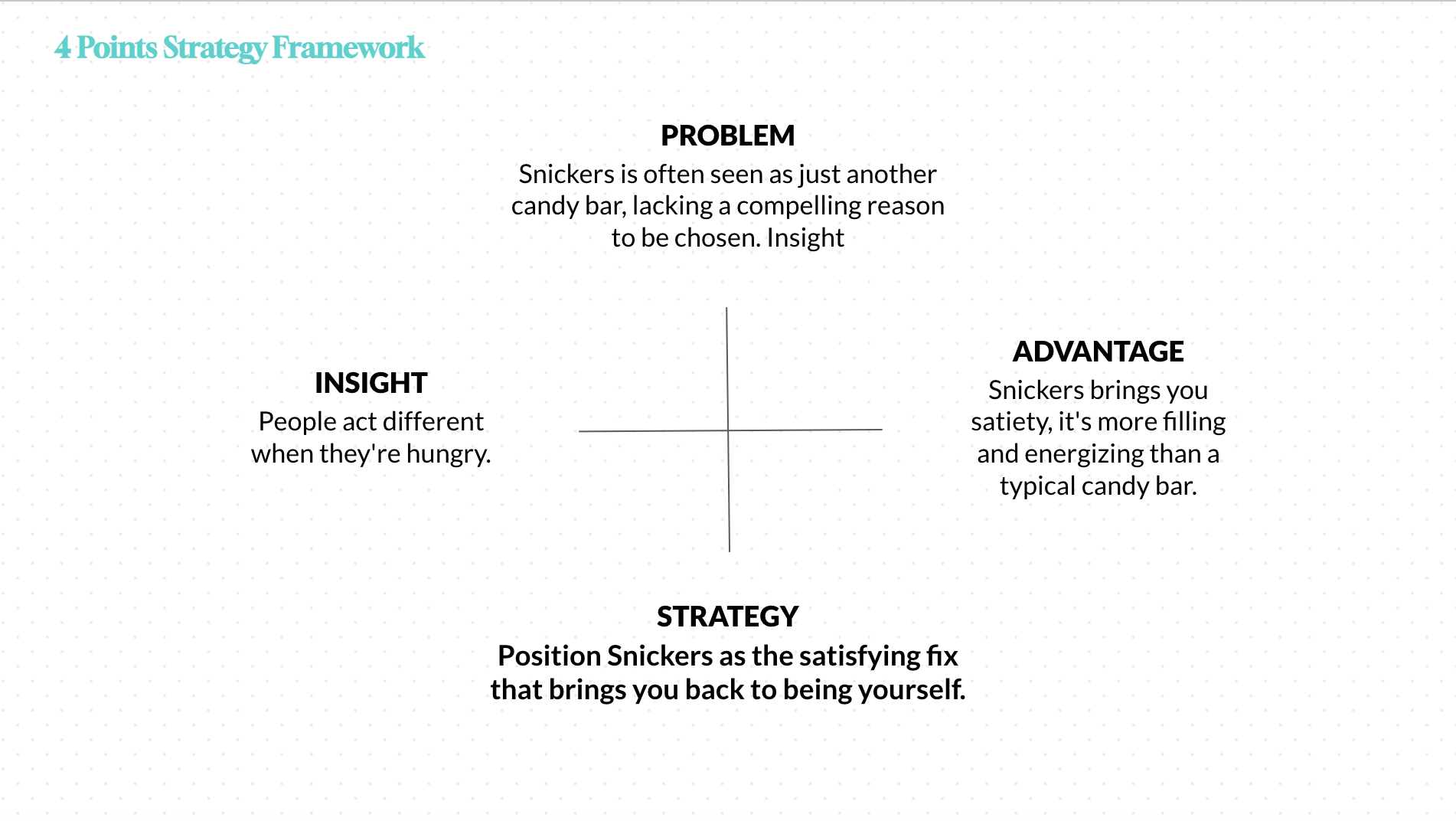
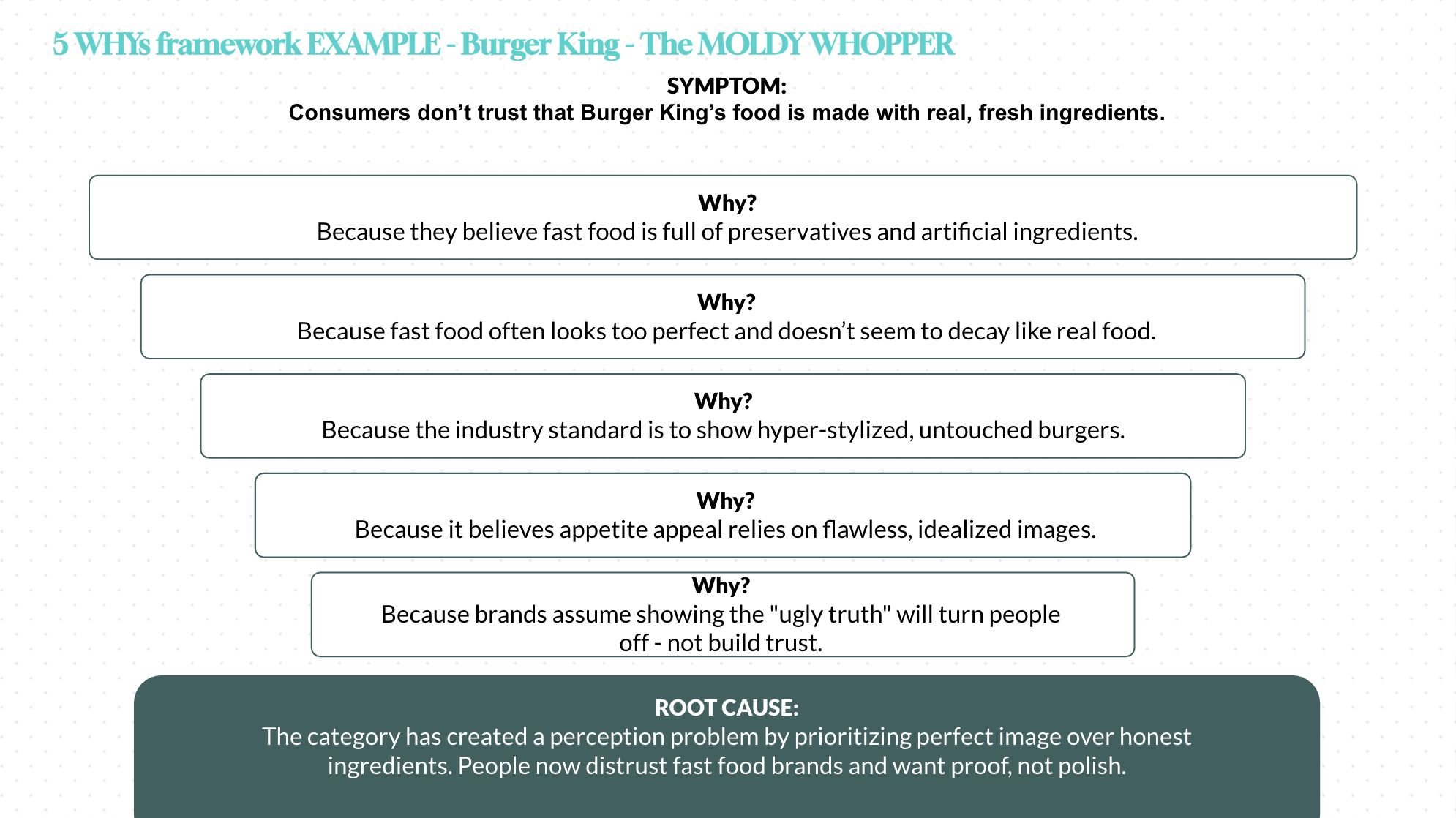
Explore Strategy Frameworks
Use these proven frameworks to build your creative strategy and implement the Attack a Cultural Blind Spot approach effectively.