Build a Creative Strategy: Build a Brand Myth

What is the Build a Brand Myth Strategy and when should I use it?

Look, your product is probably fine, but fine doesn't sell. The Build a Brand Myth Strategy is about stop trying to be 'useful' and start being legendary. You aren't selling features; you are selling a worldview that feels like a secret handshake. Use this when your category is a sea of beige functional benefits and you need to punch through the noise with something that feels visceral. It’s for brands that want to be icons, not just commodities. If you’re just trying to shift units of discount soap, don’t bother. This is for when you want people to actually give a damn about your name. It is time to win.

How to execute this strategy effectively

First, find the tension. Every good myth needs a villain or a flaw. You take that one thing everyone tries to hide and you turn it into a holy relic. You don't ask for permission; you state your reality and wait for the right people to join you. It requires a level of commitment that most marketing departments find terrifying. You have to be consistent, even when the data nerds tell you to pivot. Stop explaining what you do and start showing what you stand for. If you can't describe your brand without using the word 'innovative,' you’ve already lost. Build the world first; sales follow then. Go do it now.

Example: Diesel - Go With the Flaw

Diesel’s 'Go With the Flaw' didn't just sell jeans; it declared war on the boring cult of perfection. Instead of airbrushed models, they showcased 'imperfections'—unibrows, braces, and scars—set to a cinematic soundtrack. They turned 'flawed' into a badge of honor, making the brand feel like a sanctuary for the weird. It wasn't about the denim's durability; it was about the myth that being messed up is the only way to be real. It worked. Period. Perfect.

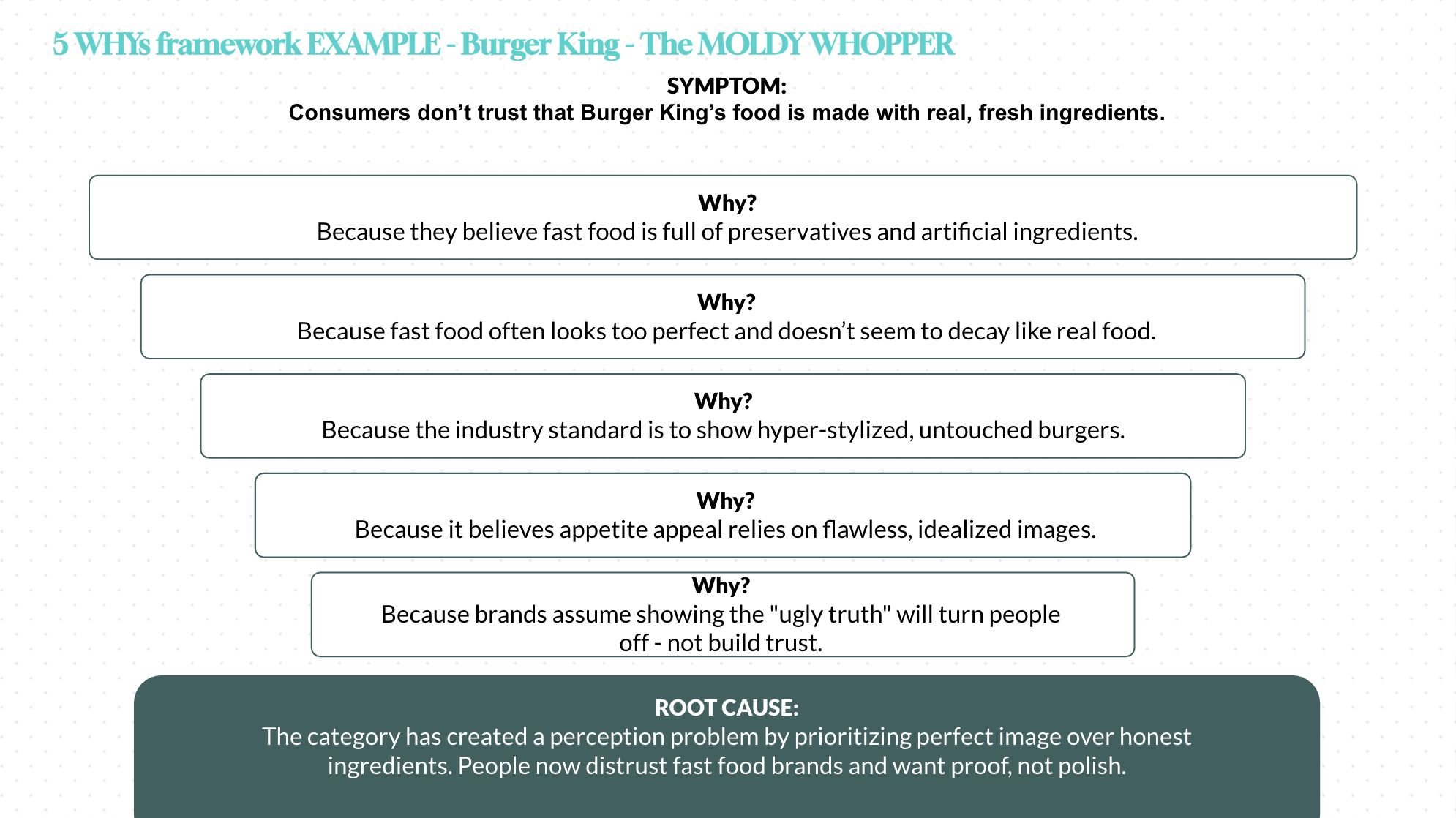
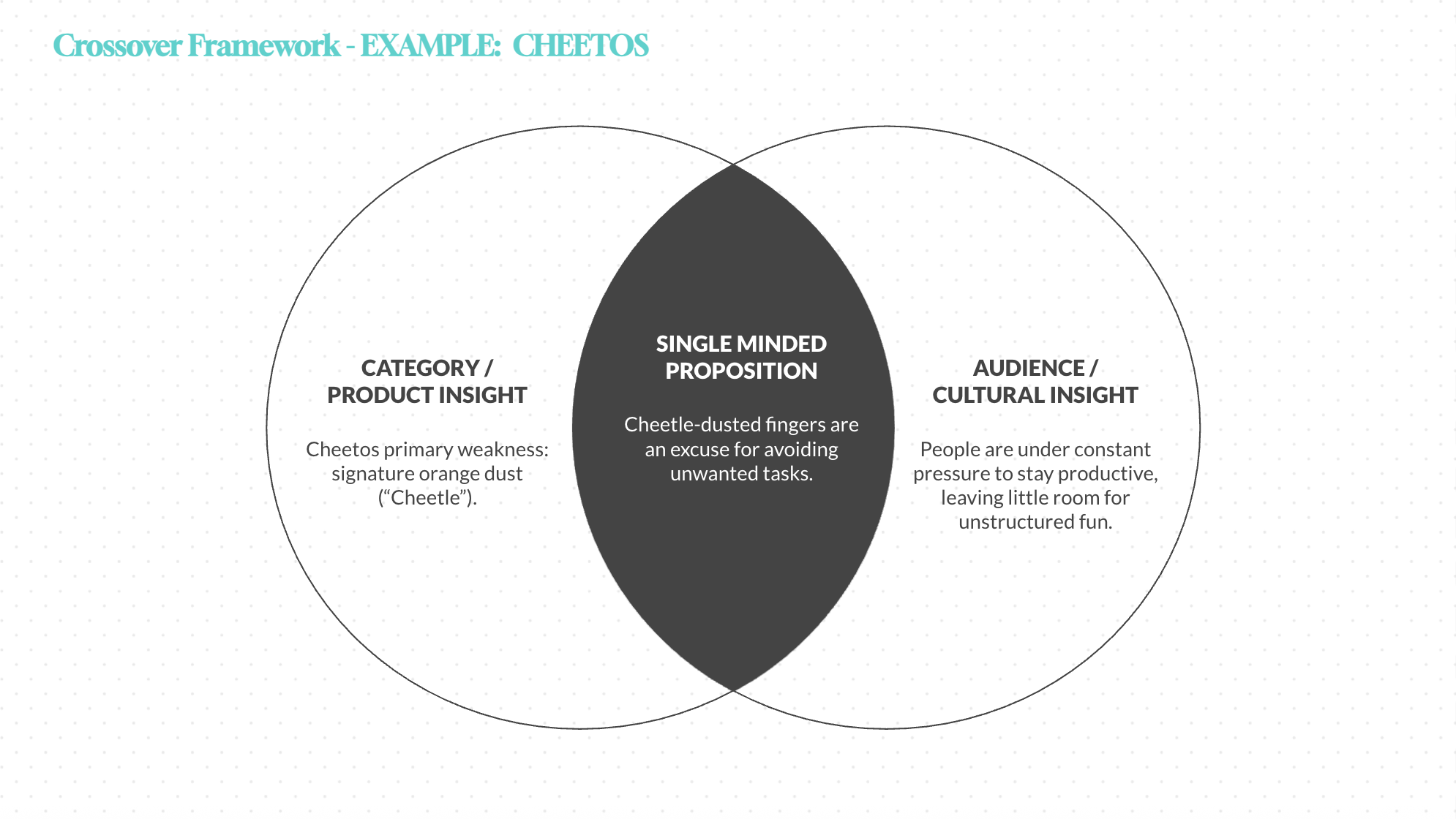
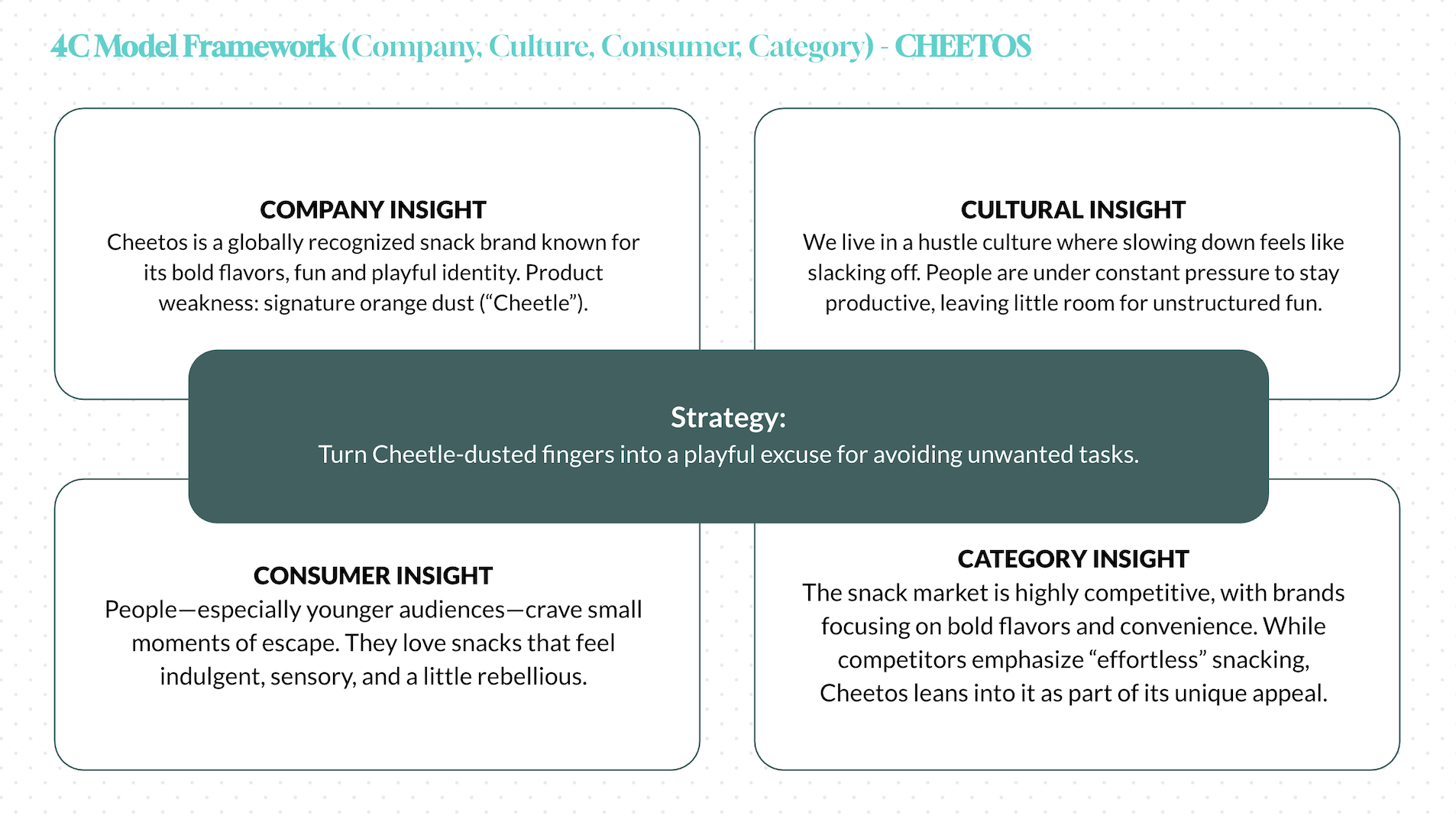
Creative Strategy Deconstructed in 4C Framework

Company INSIGHT

Diesel has always been the 'alternative' denim brand with a history of provocative, anti-establishment marketing. They had the street cred to pull off a campaign that mocked traditional beauty standards.

Category INSIGHT

The fashion category is obsessed with unattainable perfection, airbrushing every pore and fixing every 'mistake' until everyone looks like a plastic mannequin. It's boring and predictable.

Strategy:

Position Diesel as the champion of the imperfect by turning human flaws into the ultimate expression of cool.

Customer INSIGHT

People are exhausted by the pressure to be perfect and the fake reality of social media. They want to feel like their real, messy selves are actually valuable and cool.

Culture INSIGHT

A growing cultural backlash against 'Instagram face' and the rise of raw authenticity made the world ready for a brand to celebrate failure and flaws instead of hiding them.

Why is Build a Brand Myth a Great Strategy?

Myths bypass the logic centers of the brain and go straight for the gut.

Turns a boring commodity into a cult.

Makes price sensitivity completely irrelevant.

Builds a community of true believers.

Shields the brand from copycat competitors.

When you stop selling features, you stop being compared on price. A myth creates a world where your brand is the only logical choice for people who see the world like you do. It’s hard to build, but once it’s up, it’s indestructible.

! When not to use the "Build a Brand Myth" Strategy

Don't use this Strategy if your product is a generic utility and you're too cowardly to actually stand for anything meaningful.

Steps to implement: Stop Selling Specs and Start Building Legends

1

Identify the Sacred Flaw

Find the one thing your category is too scared to admit. For Diesel, it was that perfection is boring as hell. Every myth needs a point of friction to feel real. If you’re perfect, you’re forgettable. Dig into the messiness of your product or your audience’s life and find the gold in the dirt. This is your foundation for greatness.

2

Kill the Corporate Rationality

Stop letting the product managers write the scripts. A myth isn't built on '30% more absorbent.' It’s built on emotion and irrationality. You need to strip away the jargon and find the soul of the thing. If it sounds like a LinkedIn post, delete it and start over. You’re writing a manifesto, not a technical manual for a cheap toaster.

3

Create a Visual Language

Your myth needs to look like nothing else. Diesel used raw, unpolished imagery to back up their 'flaw' claim. If your visuals are stock photos of smiling people in offices, your myth is dead on arrival. Every frame, every font, and every color choice needs to reinforce the world you’re building. If it doesn’t feel slightly uncomfortable, it’s probably too safe.

4

Find Your Brand Villains

Every hero needs a monster. Who or what are you fighting against? Is it the status quo? The 'perfect' influencers? The soul-crushing grind? Define the enemy clearly so your audience knows whose side they are on. A brand without an enemy is just a logo waiting to be ignored. Give people something to rally against together. Conflict creates interest.

5

Commit Until It Hurts

You can’t half-ass a legend. If you launch a myth then go back to 'buy one get one free' emails next week, you’ve failed. Consistency is the only thing that turns a campaign into a culture. Live the myth in every touchpoint, from the high-budget film to the 404 error page. Either you’re in the world or you’re out of it. Choose.

Related Creative Strategy Techniques

Explore Strategy Frameworks

Use these proven frameworks to build your creative strategy and implement the Build a Brand Myth approach effectively.
We use cookies on our site to enhance your user experience, provide personalized content, and analyze our traffic. Cookie Policy