Build a Creative Strategy: Build an Utility, Not an Ad
What is the Build an Utility, Not an Ad Strategy and when should I use it?
Stop shouting. This strategy is about creating a functional asset that solves a problem instead of just cluttering a feed. You’re turning the brand's core value into a tangible tool that people actually want to use. Use it when your audience has high ad-fatigue or when your brand promise feels like empty marketing fluff. It works best when you have a genuine insight into a customer’s daily struggle that a simple video can’t fix. If you want to be more than a line item in a media plan, build something that people would actually miss if it disappeared tomorrow. It is that simple. Go do it now.!!
How to execute this strategy effectively
Execution starts with finding a friction point that actually hurts, not just a mild inconvenience you invented to sell soap. You need to identify a specific community or problem where your brand has the authority to act. Then, you build a solution that works without needing a manual or a marketing degree to understand. Don’t slap a giant logo on it and call it a day; let the utility do the talking. If the tool is good enough, the brand affinity follows naturally. Test it with real humans, fail fast, and strip away anything that feels like a sales pitch. True utility needs no hype. End.!!
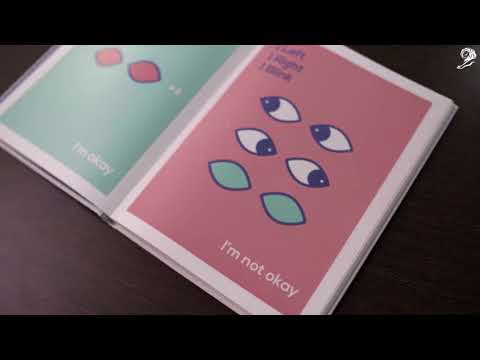
Example: Lego – "Braille Bricks" (2019).
Lego didn’t just make a commercial about inclusivity; they redesigned their iconic product to teach Braille. By adding studs that match the Braille alphabet while remaining compatible with standard bricks, they created a tool for blind and visually impaired children to learn through play alongside sighted peers. It wasn’t a "limited edition" stunt; it was a functional expansion of their system. This turned a toy into a vital educational resource. Yes.
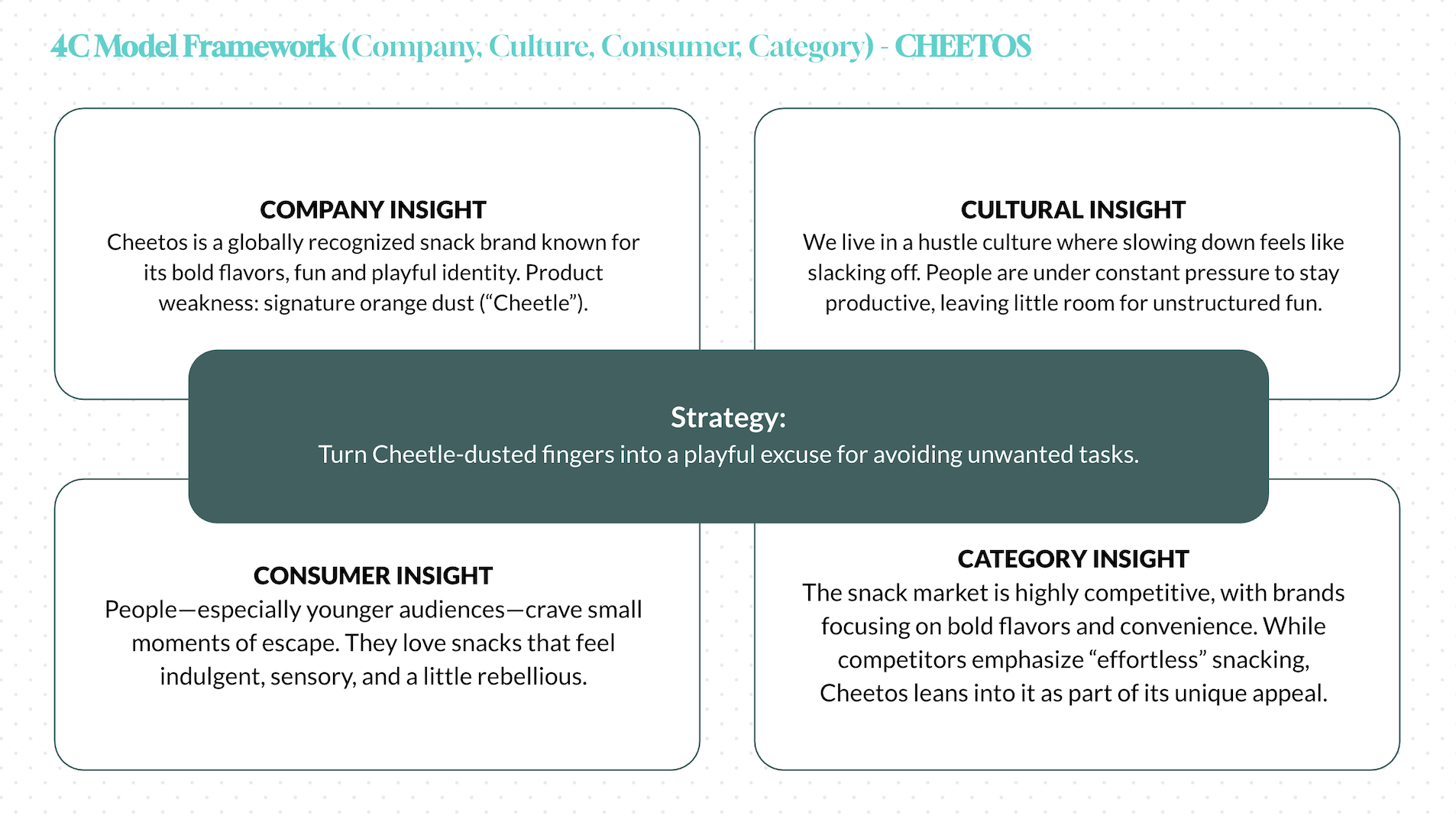
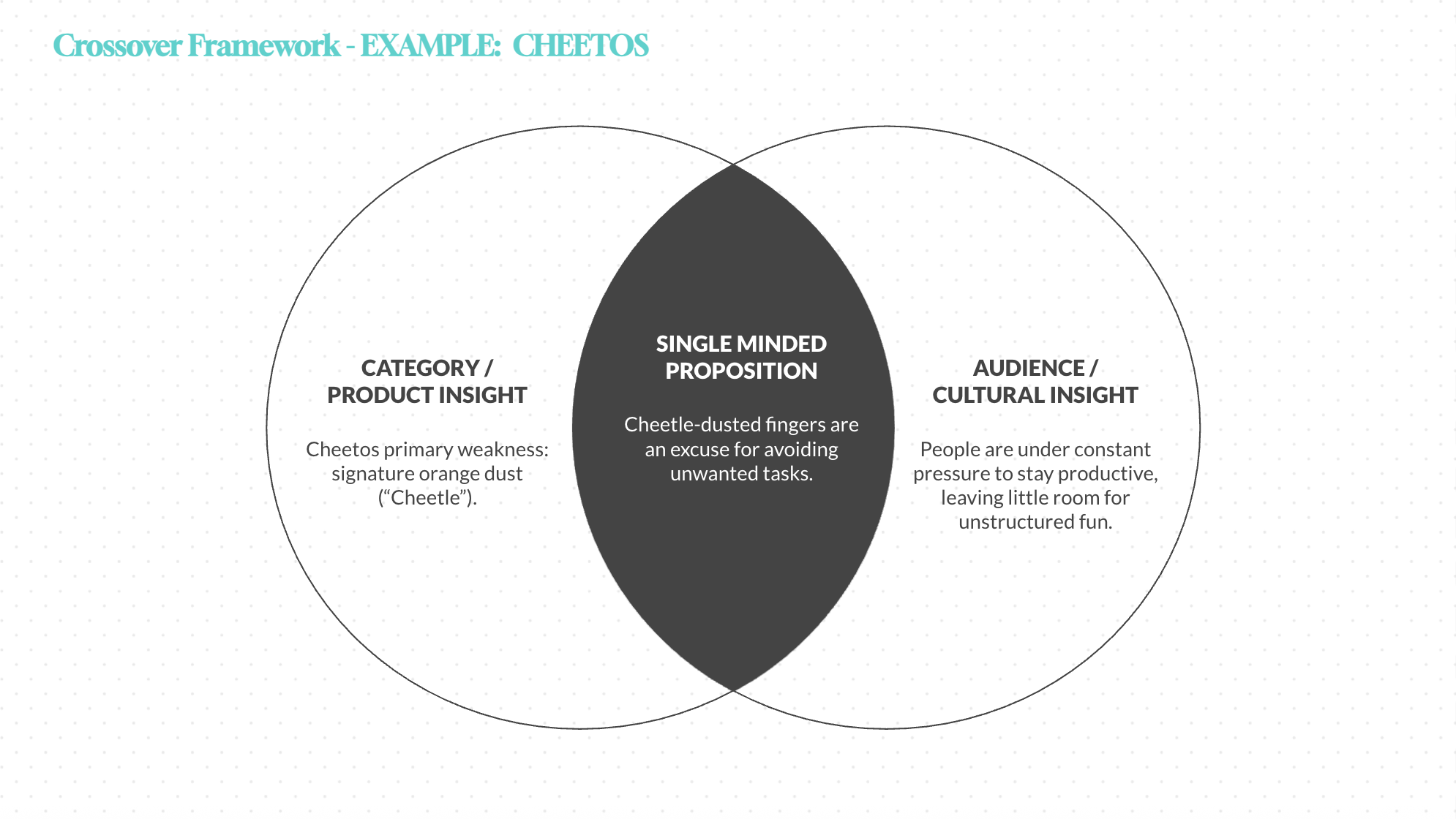
Creative Strategy Deconstructed in 4C Framework
Company INSIGHT
Lego is the master of modular play systems and universal design. They have a global manufacturing scale that allows them to iterate on their core product without losing the "system of play" compatibility.
Category INSIGHT
The toy category usually focuses on inclusive marketing imagery or one-off donations. Most brands talk about diversity in commercials but rarely change the physical product to accommodate different needs.
Strategy:
Transform the world’s most famous toy into a universal literacy tool by modifying the product itself to solve a specific educational barrier.
Customer INSIGHT
Parents and educators of visually impaired children need engaging, tactile tools to teach Braille. They want their kids to learn alongside sighted peers without feeling isolated by specialized equipment.
Culture INSIGHT
There is a growing cultural demand for Universal Design where products are built for everyone from the start. Accessibility is no longer a niche requirement but a benchmark for responsible brand behavior.
Strategy:
Transform the world’s most famous toy into a universal literacy tool by modifying the product itself to solve a specific educational barrier.
Company INSIGHT
Lego is the master of modular play systems and universal design. They have a global manufacturing scale that allows them to iterate on their core product without losing the "system of play" compatibility.
Category INSIGHT
The toy category usually focuses on inclusive marketing imagery or one-off donations. Most brands talk about diversity in commercials but rarely change the physical product to accommodate different needs.
Customer INSIGHT
Parents and educators of visually impaired children need engaging, tactile tools to teach Braille. They want their kids to learn alongside sighted peers without feeling isolated by specialized equipment.
Culture INSIGHT
There is a growing cultural demand for Universal Design where products are built for everyone from the start. Accessibility is no longer a niche requirement but a benchmark for responsible brand behavior.
Why is Build an Utility, Not an Ad a Great Strategy?
It turns your brand from a background noise generator into a legitimate solution people actually care about.
Solves real problems instead of creating them.
Builds long-term loyalty through actual usage.
Bypasses the standard consumer ad-blocking filters.
Proves brand values instead of just claiming.
When you stop screaming for attention and start being useful, the power dynamic shifts. You aren't begging for thirty seconds of their time; you're becoming a part of their workflow or life. It’s the difference between a telemarketer and a Swiss Army knife.
! When not to use the "Build an Utility, Not an Ad" Strategy
If your 'utility' is just a glorified calculator that captures emails for a spam list, don't bother; this Strategy requires actual value, not a digital trap.
Steps to implement: Stop Building Billboards and Start Building Solutions
Find a real, painful friction point
Look for where your audience is genuinely struggling. For Lego, it was the declining literacy rates among visually impaired kids. Don't look for a "marketing opportunity"—look for a broken process or a missing tool. If it doesn't solve a headache, it's just another ad in disguise. Be honest about what sucks in your customer's world right now.
Audit your brand's unique capabilities
What do you actually have that can help? Lego had the brick system. You might have data, a distribution network, or a specific technology. Don't try to build a weather app if you sell insurance unless there's a damn good reason. Align the utility with what your brand is actually known for, or nobody will believe you.
Design for function over flash
Strip away the ego. The Braille Bricks worked because they were still bricks, just smarter. Your utility should be intuitive and solve the problem as efficiently as possible. If a user has to watch a pre-roll ad to use your tool, you’ve already failed the mission. Make it fast, make it useful, and keep the branding subtle.
Integrate into the existing ecosystem
Don’t build an island. The best utilities fit into how people already live. Lego made sure the Braille Bricks worked with the sets kids already owned. Your tool should bridge the gap between their current reality and a better one. If it requires a complete lifestyle change to use, it will end up in the digital graveyard.
Measure impact beyond the click
Stop obsessing over CTR and start looking at retention and utility. Are people actually using the tool? Is it solving the problem? For Lego, the metric was educational adoption, not just toy sales. If the utility works, the brand lift will show up in the long run. Don't kill a good idea because it didn't go viral in an hour.
Related Creative Strategy Techniques
Explore Strategy Frameworks
Use these proven frameworks to build your creative strategy and implement the Build an Utility, Not an Ad approach effectively.