Build a Creative Strategy: Create a Ritual

What is the Create a Ritual Strategy and when should I use it?

Look, people are creatures of habit, even if those habits are stupid. The Create a Ritual strategy is about attaching a specific, repeatable behavior to your product so it becomes inseparable from the experience. You use it when your product is a commodity and you need a way to make people feel like they’re part of a secret club instead of just buying stuff. It’s for when you want to move past "I like this" to "I do this every time." If your brand lacks a soul or a distinct personality, forcing a ritual gives it a pulse. Just don't make it too complicated; no one actually wants chores.

How to execute this strategy effectively

First, stop trying to make "fetch" happen. A ritual has to feel organic, even if you’re the one who engineered it in a windowless boardroom. You find a physical anchor—a lime, a twist, a specific sound—and you link it to the moment of consumption. Then, you repeat it until you’re sick of it, and then you repeat it some more. Consistency is the only thing that separates a ritual from a one-off gimmick that nobody remembers. You need to provide the "how-to" without sounding like a flight attendant. If you can’t explain the ritual in five seconds, it’s not a ritual; it’s a manual.

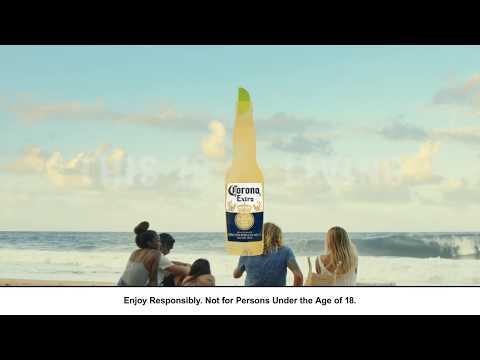
Example: Corona - Lime Ritual

Corona didn't just sell beer; they sold a lime wedge requirement. By shoving a citrus slice into the neck of a bottle, they turned a simple drink into a beachside ceremony. It wasn't about the flavor—it was about the signal. If you didn't have the lime, you weren't doing it right. This "Ritual" transformed a standard Mexican lager into a global icon of relaxation. It’s the gold standard of making a product usage step feel like a mandatory badge of cool.

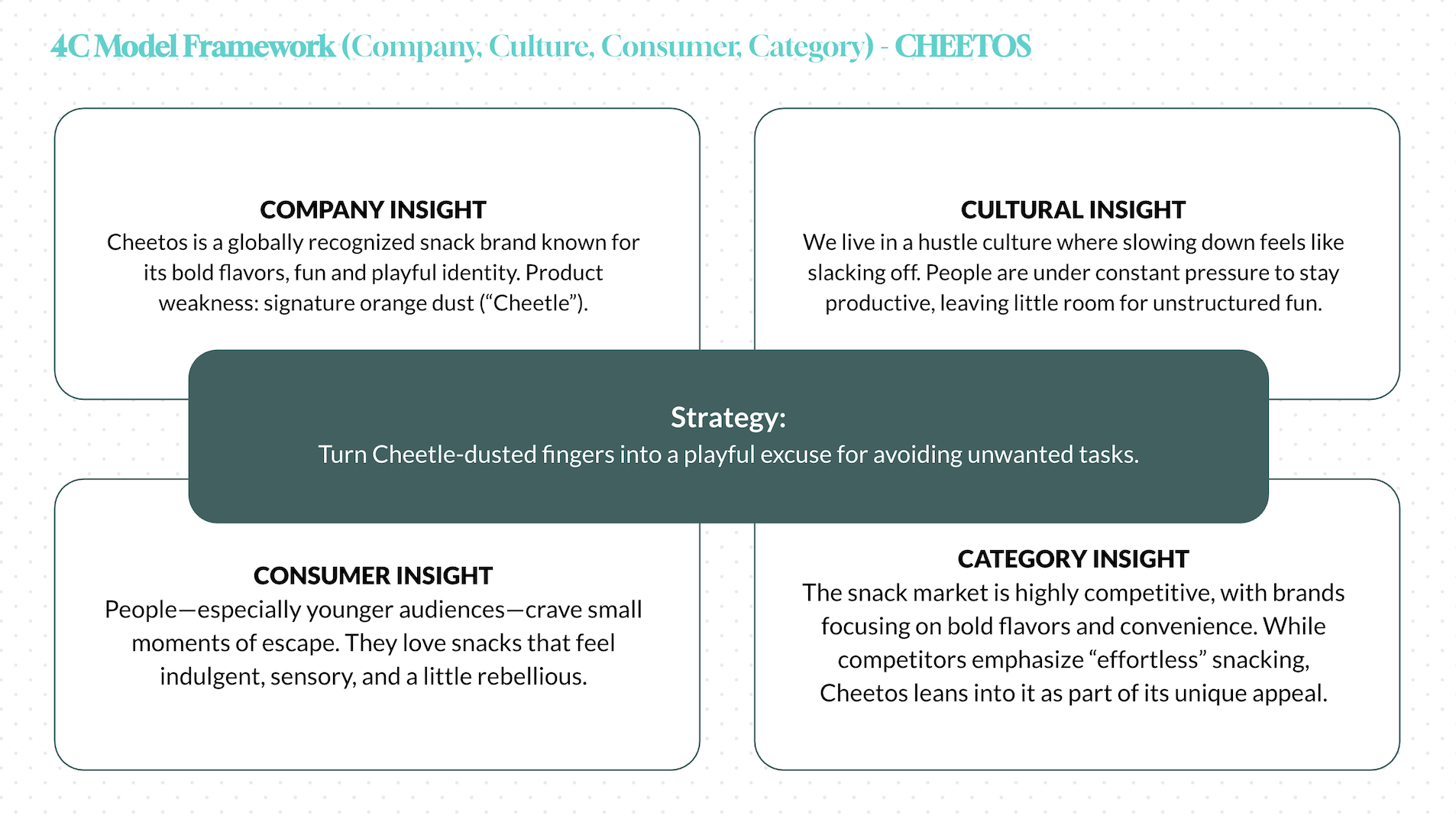
Creative Strategy Deconstructed in 4C Framework

Company INSIGHT

Corona had a clear, refreshing Mexican lager that was easy to drink. Their strength was a consistent product that felt synonymous with sun and sand.

Category INSIGHT

The beer category was full of heavy, masculine imagery. Most brands focused on the brewing process or heritage rather than a specific serving style.

Strategy:

Transform a commodity beer into a mandatory tropical experience through the Lime Ritual to own the escapism occasion.

Customer INSIGHT

Customers wanted an escape from their mundane, gray lives. They craved the feeling of a vacation, even if they were just sitting in a local dive bar.

Culture INSIGHT

Tropical escapism became a massive cultural currency. The lime ritual tapped into the exotic allure of Mexico, making the act of drinking beer feel like a mini-vacation.

Why is Create a Ritual a Great Strategy?

It turns a mindless purchase into a meaningful behavior that people actually defend.

Creates a proprietary brand usage behavior.

Increases perceived value through specific effort.

Builds a community of in-the-know users.

Differentiates commodities in a crowded market.

When people feel like they're performing a tradition, they stop comparing prices. You aren't just selling a liquid or a gadget anymore; you're selling the satisfaction of doing things the right way. It’s basically psychological glue for customer loyalty.

! When not to use the "Create a Ritual" Strategy

If your product is a life-saving medication or an emergency exit, maybe don't make people perform a choreographed dance before they're allowed to use the Strategy.

Steps to implement: Stop selling features and start selling habits.

1

Identify a physical or sensory anchor.

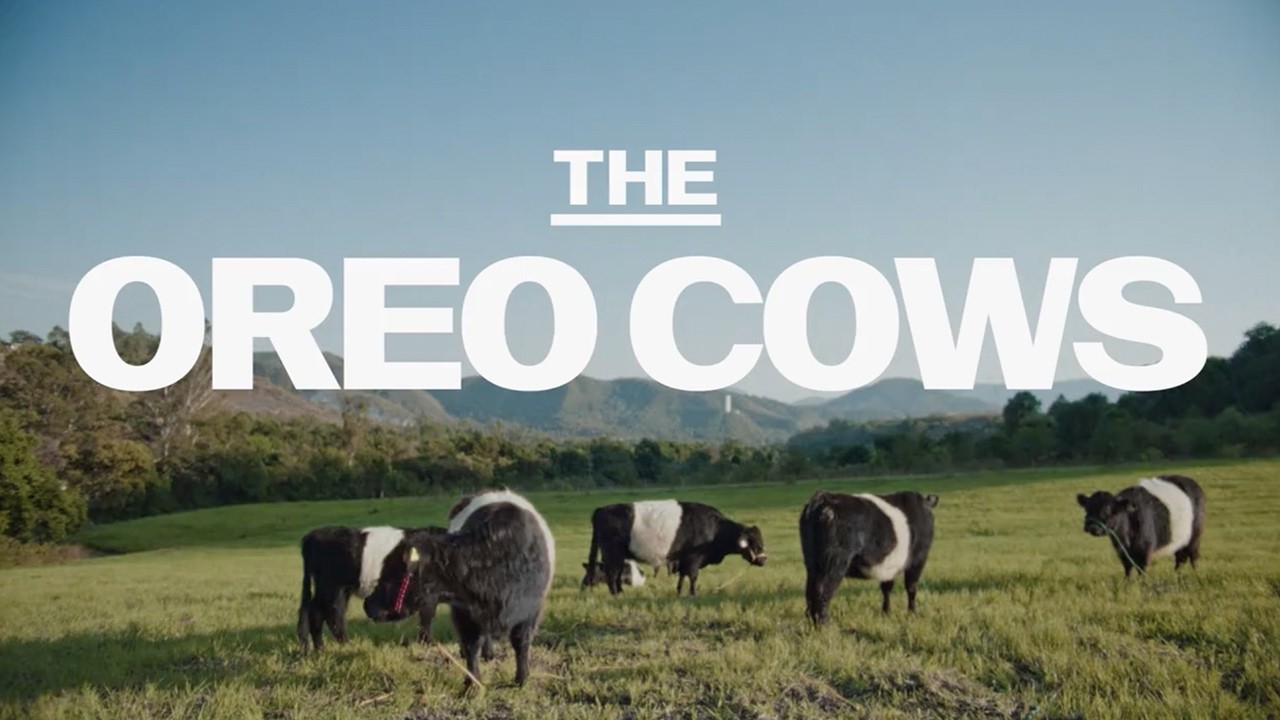
You can't just tell people to "enjoy" your product; that's lazy and nobody listens. You need a physical hook. Look at your product and find a specific action that can be repeated every single time it's used. Is it a sound? A specific way of opening the packaging? A mandatory garnish? For Corona, it was the lime. For Oreos, it’s the twist. It needs to be something people can actually do with their hands. If it only happens in their heads, it's not a ritual; it's a daydream. Find the anchor that makes the experience feel incomplete if it’s missing. This isn't about utility; it's about creating a signature move that belongs to your brand and your brand alone.

2

Link the action to a mood.

A ritual without an emotional payoff is just a chore, and people hate chores. You need to tie that physical action to a specific feeling. When that lime hits the bottle, it needs to signal "the workday is over" or "I am now on a beach." You are building a mental bridge between a physical motion and a psychological state. Don't be subtle about it. Your marketing needs to scream that this action is the gateway to the vibe your customer is desperate for. If the ritual doesn't provide an immediate hit of satisfaction or a sense of belonging, they’ll stop doing it the second they get distracted by something shiny.

3

Model the behavior relentlessly everywhere.

People are mimics. They need to see the ritual performed correctly by people they actually want to be. In every ad, social post, and activation, the ritual should be the hero, not the product. Show the lime being sliced, the bottle being prepped, and the first sip being taken with visible relief. If your "cool" characters aren't doing it, your customers won't either. You’re not just suggesting a way to use the product; you’re establishing the law of the land. Consistency is your only friend here. If you show the product without the ritual even once, you’ve signaled that the ritual is optional. In this strategy, nothing is optional.

4

Gamify the "In-Crowd" knowledge.

The best rituals feel like a secret handshake. You want your customers to correct other people who are doing it wrong. "Oh, you don't use the lime? That's not how you drink a Corona." That level of gatekeeping is marketing gold because it means your customers have taken ownership of the brand. Create content that teaches the "proper" way to perform the ritual. Celebrate the people who do it best and gently mock the ones who don't get it yet. By making the ritual a barrier to entry for the "true" experience, you turn your customer base into a self-policing community of brand advocates who do your job for you.

5

Defend the ritual against efficiency.

Some genius in operations is going to tell you that the ritual is "inefficient" or "adds friction." They are technically right and strategically wrong. Friction is exactly what makes a ritual work. The extra effort required to find a lime, slice it, and shove it in the bottle is what gives the moment its value. If you make it too easy, it ceases to be a ritual and becomes just another boring task. Protect the friction at all costs. The moment you "optimize" the ritual out of existence to save three seconds, you’ve killed the brand’s soul. Stand your ground and remind them that we’re selling an experience, not a logistics solution.

Related Creative Strategy Techniques

Explore Strategy Frameworks

Use these proven frameworks to build your creative strategy and implement the Create a Ritual approach effectively.
We use cookies on our site to enhance your user experience, provide personalized content, and analyze our traffic. Cookie Policy