Develop a Creative Strategy: Find the Cultural Truth

What is the Find the Cultural Truth Strategy and when should I use it?

It is the art of ignoring your CMO’s LinkedIn feed and looking at how people actually live their messy, complicated lives. Most strategies fail because they are built in a sterile boardroom using data points that were outdated by Tuesday. You use this strategy when your brand feels like a ghost—present but invisible. It is for when you need to stop shouting into the void and start participating in the conversations that are already happening without you. If you want your work to have a pulse instead of just a budget, stop guessing and start observing the real world right now. Do it today. Got it? Good.

How to execute this strategy effectively

You start by leaving the office. Seriously, go outside. You need to identify a tension that exists in the real world—not a marketing problem, but a human one. Find where people are disagreeing, struggling, or finding joy in ways that have nothing to do with your product. Then, figure out how your brand can enter that space without being the annoying guy at the party who only talks about himself. It requires humility and a high tolerance for reality. If you can’t handle the fact that people don’t care about your brand's "purpose," you will fail. Use the truth to build a bridge. No more lies now.

Example: Heineken – "Worlds Apart" (2017)

Heineken’s "Worlds Apart" didn't just sell beer; it exploited the massive political polarization of 2017. They put people with diametrically opposed views—a climate denier and an activist, a feminist and a chauvinist—in a room to build furniture together. The truth? People are more than their labels when they actually talk. It worked because it wasn't a preachy manifesto; it was a social experiment that felt uncomfortably real for a change. Yep.

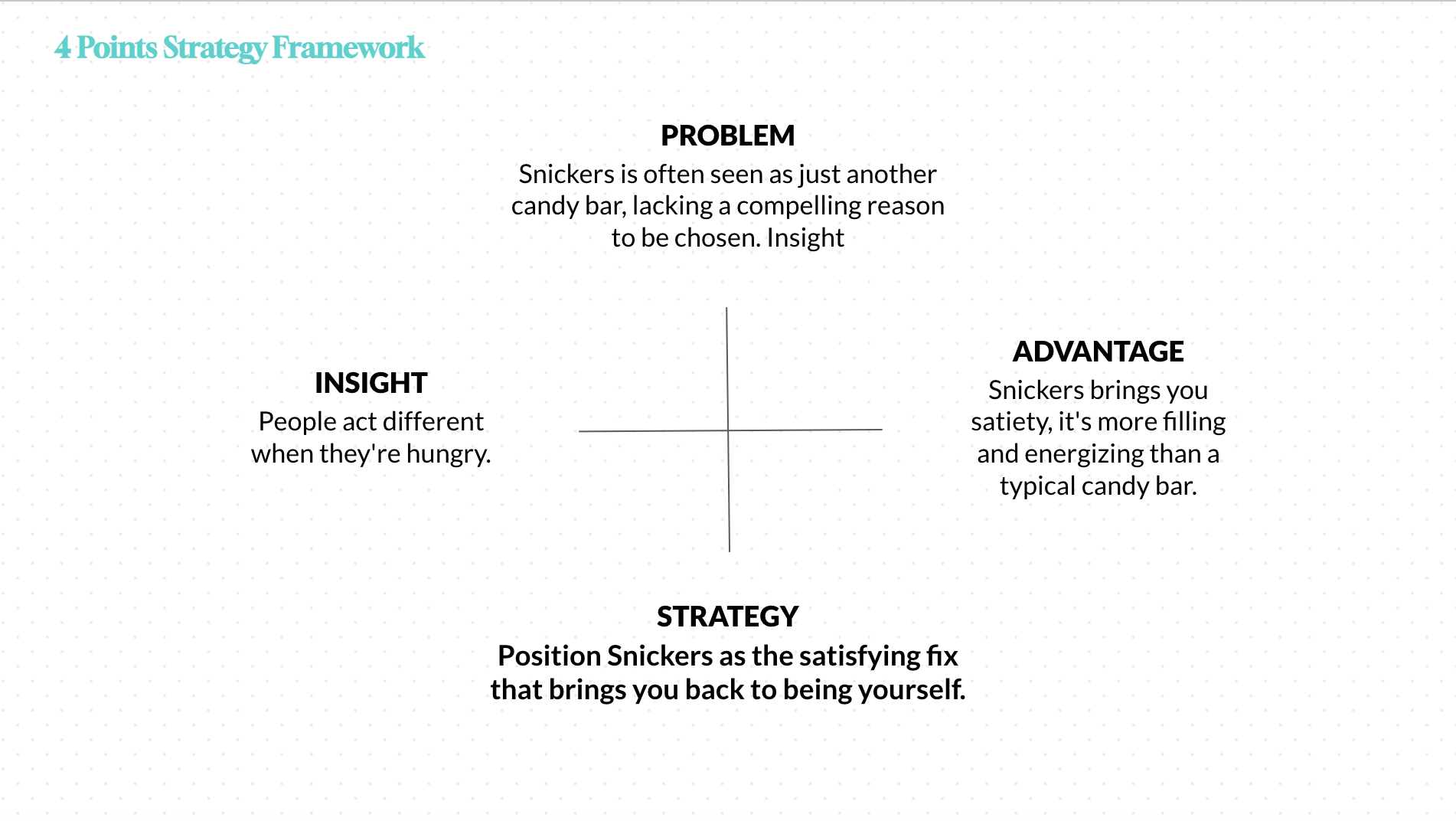
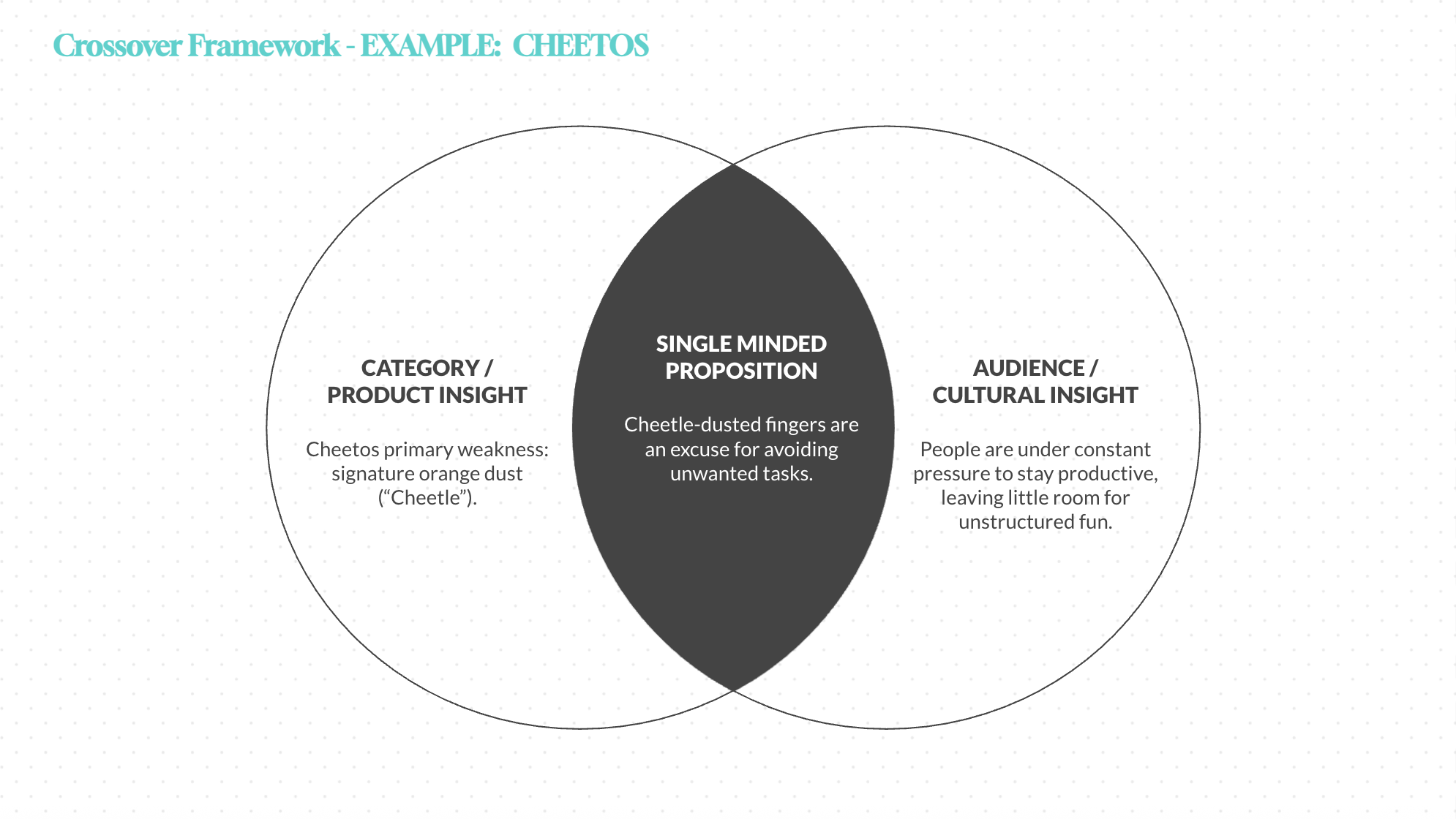
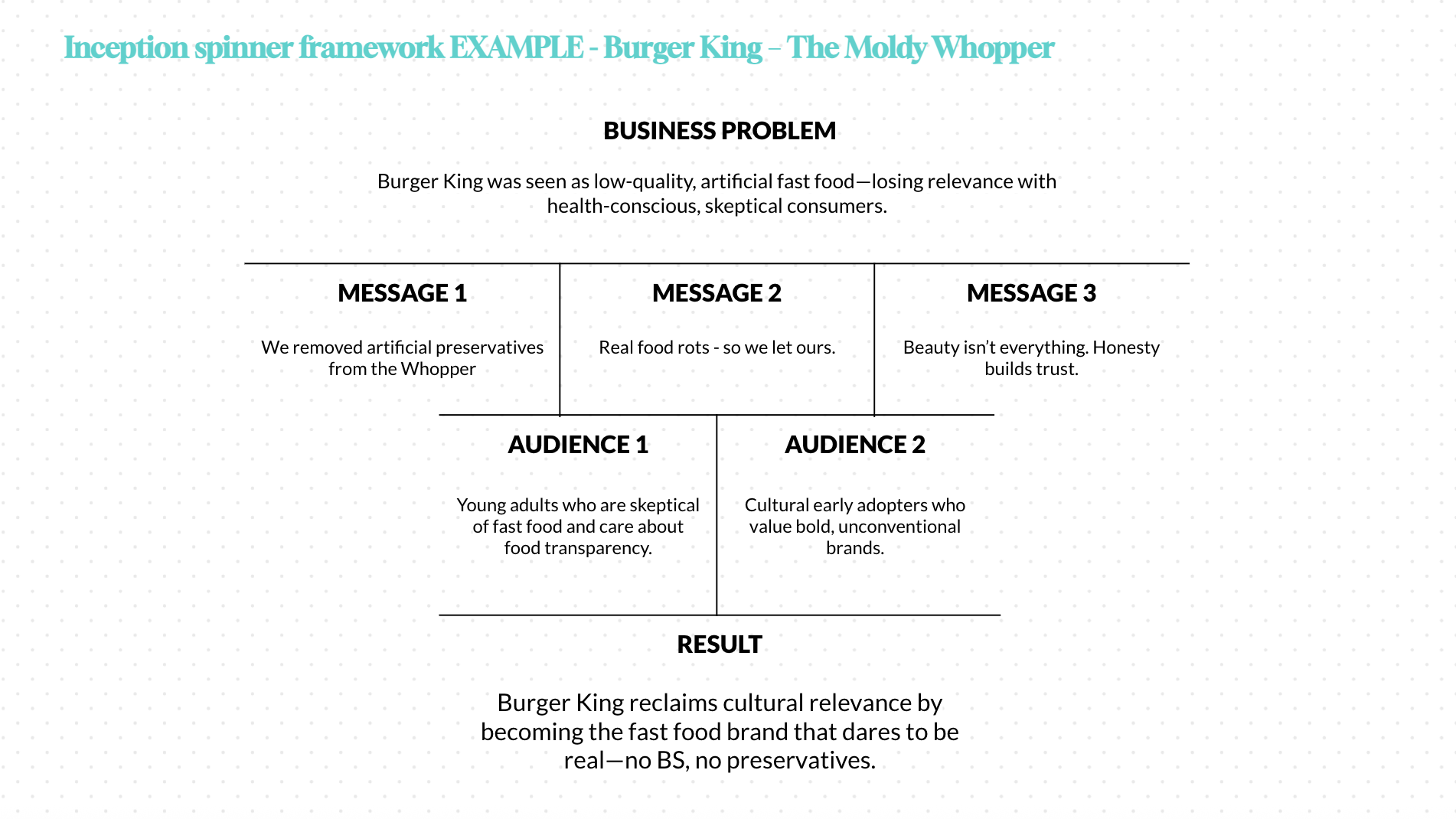
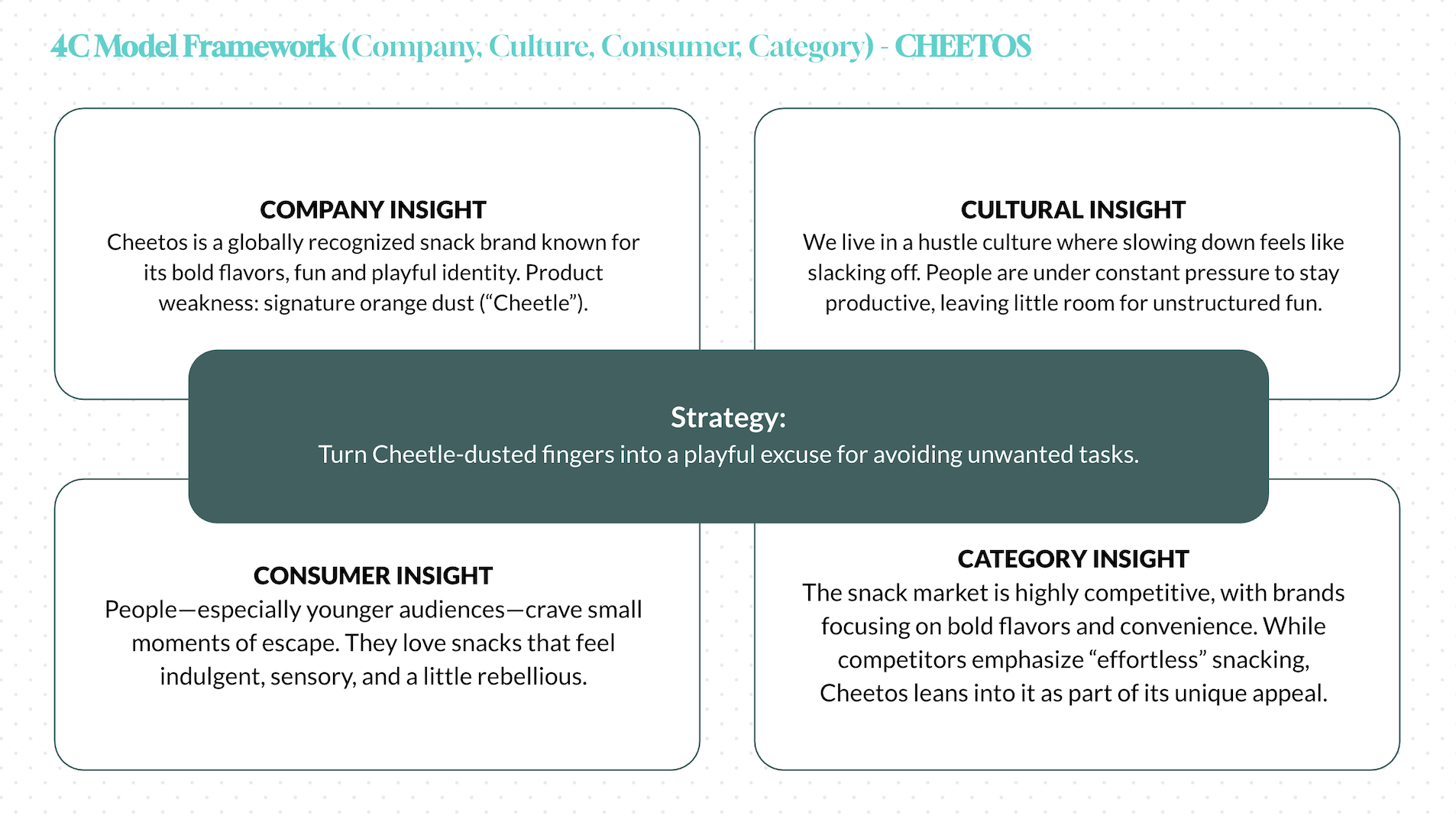
Creative Strategy Deconstructed in 4C Framework

Company INSIGHT

Heineken is a global beer brand that positions itself as the ultimate social lubricant. Their strength lies in the product's historical role of bringing different people together over a drink.

Category INSIGHT

The beer category usually focuses on parties, sports, and mindless "good times." Heineken broke this by acknowledging that the world was actually quite tense and divided.

Strategy:

Use the product's role as a social catalyst to prove that human connection is possible even across the deepest political and social divides.

Customer INSIGHT

Customers were exhausted by the constant shouting matches on social media and the feeling that they could no longer talk to people who disagreed with them.

Culture INSIGHT

Tapped into the extreme political polarization of 2017, where "echo chambers" were becoming a recognized social crisis that people were desperate to escape or solve.

Why is Find the Cultural Truth a Great Strategy?

It works because humans are hardwired to notice truth in a world of manufactured plastic.

Cuts through the noise of generic ads.

Builds genuine trust through shared reality.

Leverages existing momentum instead of buying it.

Makes your brand feel like a human.

Stop trying to invent a "vibe" and start acknowledging the one that already exists. When you align your brand with a cultural truth, you stop being an interruption and start being an insight. It is the difference between a brand that people tolerate and a brand that people actually talk about at dinner.

! When not to use the "Find the Cultural Truth" Strategy

Don't use this Strategy if your brand is too cowardly to acknowledge that the world isn't a perfect, smiling stock photo.

Steps to implement: Stop Living in Your Boring Spreadsheet Bubble

1

Identify a real human tension

Look for where people are actually clashing or struggling. In the Heineken example, the tension was the toxic political divide that makes everyone want to scream. Don't look for a "need state" in a deck; look for a genuine argument or a shared secret that nobody in your category is brave enough to mention yet.

2

Vet the truth for brand relevance

Not every cultural truth belongs to you. If your brand has no business being in that conversation, stay out. Heineken used beer as the social lubricant it has been for centuries. It fit. If you are selling tax software, maybe don't try to solve systemic social injustice. Find the truth that actually intersects with what you sell.

3

Ditch the corporate filter immediately

Once you find the truth, don't sanitize it until it's boring. If it doesn't make someone in legal slightly uncomfortable, it’s probably not a truth; it’s a platitude. The Heineken experiment worked because it allowed real, messy opinions to be voiced on camera. Authenticity requires you to stop polishing the edges off every single piece of creative.

4

Create a platform for participation

Don't just talk at people about the truth; give them a way to engage with it. Whether it's building furniture or starting a debate, the strategy succeeds when the audience sees themselves in the work. You want them to say, "I feel that," not "That’s a nice ad." Move from being a spectator to being the facilitator.

5

Read the room and shut up

After you launch, listen. If the culture shifts or if you missed the mark, don't double down on a lie. Cultural truths are living things, not static slogans. If you’ve done it right, the conversation will continue without you needing to pump more money into the media buy. That is the goal: relevance that pays for itself.

Related Creative Strategy Techniques

Explore Strategy Frameworks

Use these proven frameworks to build your creative strategy and implement the Find the Cultural Truth approach effectively.
We use cookies on our site to enhance your user experience, provide personalized content, and analyze our traffic. Cookie Policy