Build a Creative Strategy: Lean Into Nostalgia

What is the Lean Into Nostalgia Strategy and when should I use it?

Look, people hate the present. Everything is expensive, the internet is a landfill, and their knees hurt. The Lean Into Nostalgia Strategy isn't about being lazy; it is about weaponizing a time when things felt simpler to bypass the logical filters of a cynical brain. You use this when your brand is invisible or your product feels like every other piece of plastic on the shelf. If you can make someone feel like a kid again for five seconds, they might actually stop scrolling. It is a psychological shortcut to trust. Just do not mess it up by being too cheesy or purely derivative. Clear?

How to execute this strategy effectively

Stop trying to recreate the past exactly. That is just a museum exhibit, and nobody visits those unless they have to. You need to find the emotional core—the feeling of a Saturday morning or the specific sound of a dial-up modem—and anchor it to your brand's current value. For Tourism Australia, they didn't just remake Crocodile Dundee; they tricked us into wanting a sequel so badly that the reveal of a travel ad felt like a punchline we were all in on. It requires a high level of self-awareness. If you take yourself too seriously, you will look like a sad, aging rock star. Do it now. Yes. Yep

Example: Tourism Australia – "Dundee: The Son of a Legend Returns Home" (2018)

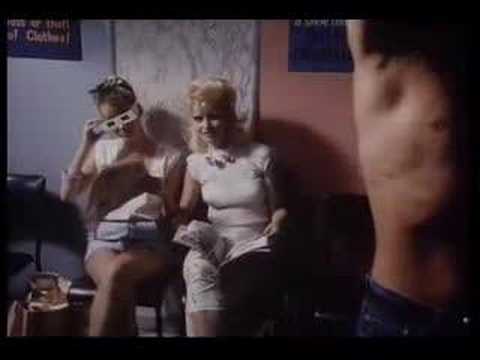
Tourism Australia's 2018 Dundee campaign was a masterclass in the bait-and-switch. They dropped trailers for a fake Crocodile Dundee sequel starring Danny McBride and Chris Hemsworth, leaning hard into the 80s icon everyone remembered. The internet went nuts for the nostalgia bait. Then, during the Super Bowl, they revealed it was just an elaborate ad for the Outback. It worked because it respected the memory while subverting it! It was smart! Yes.

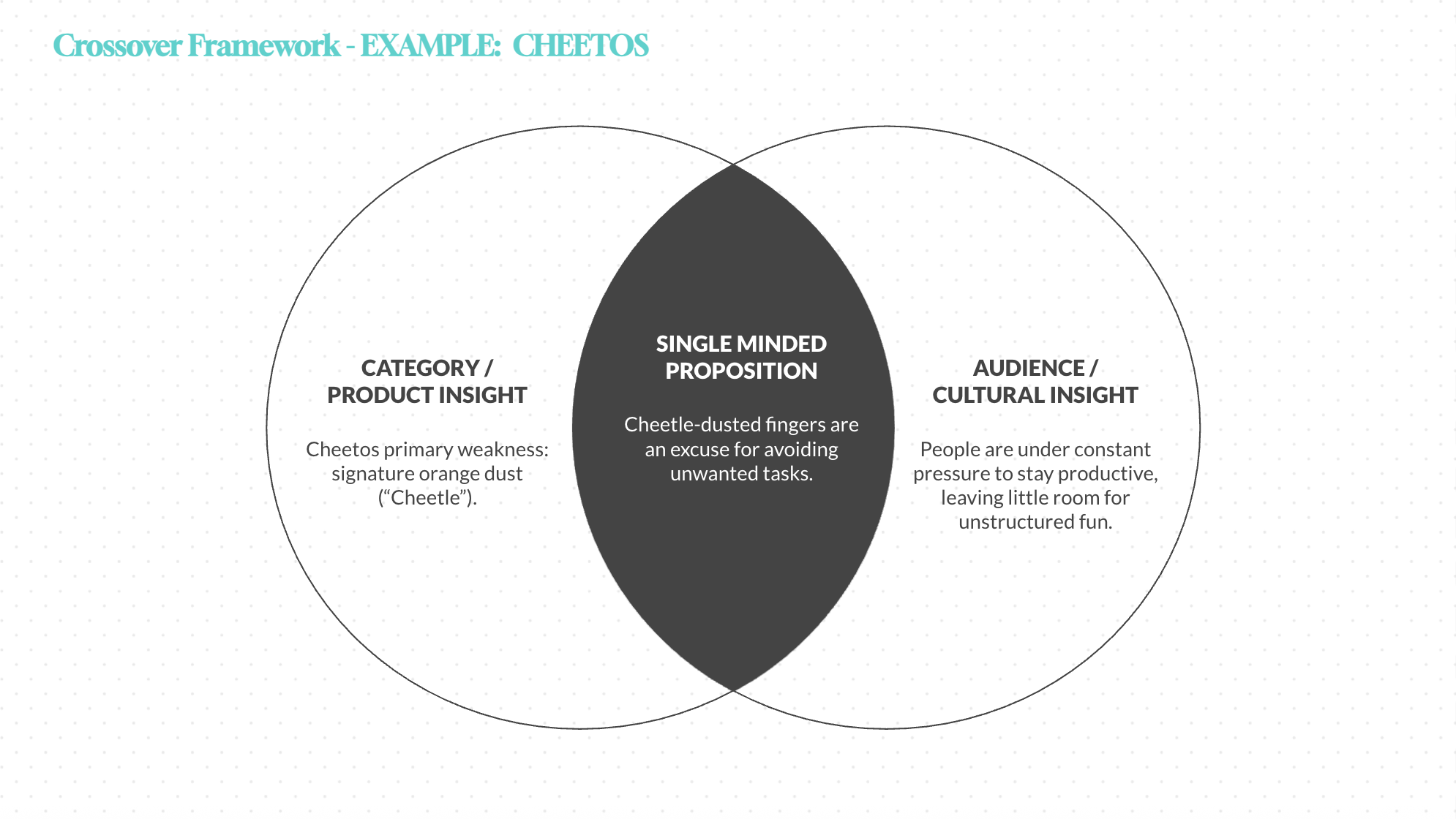
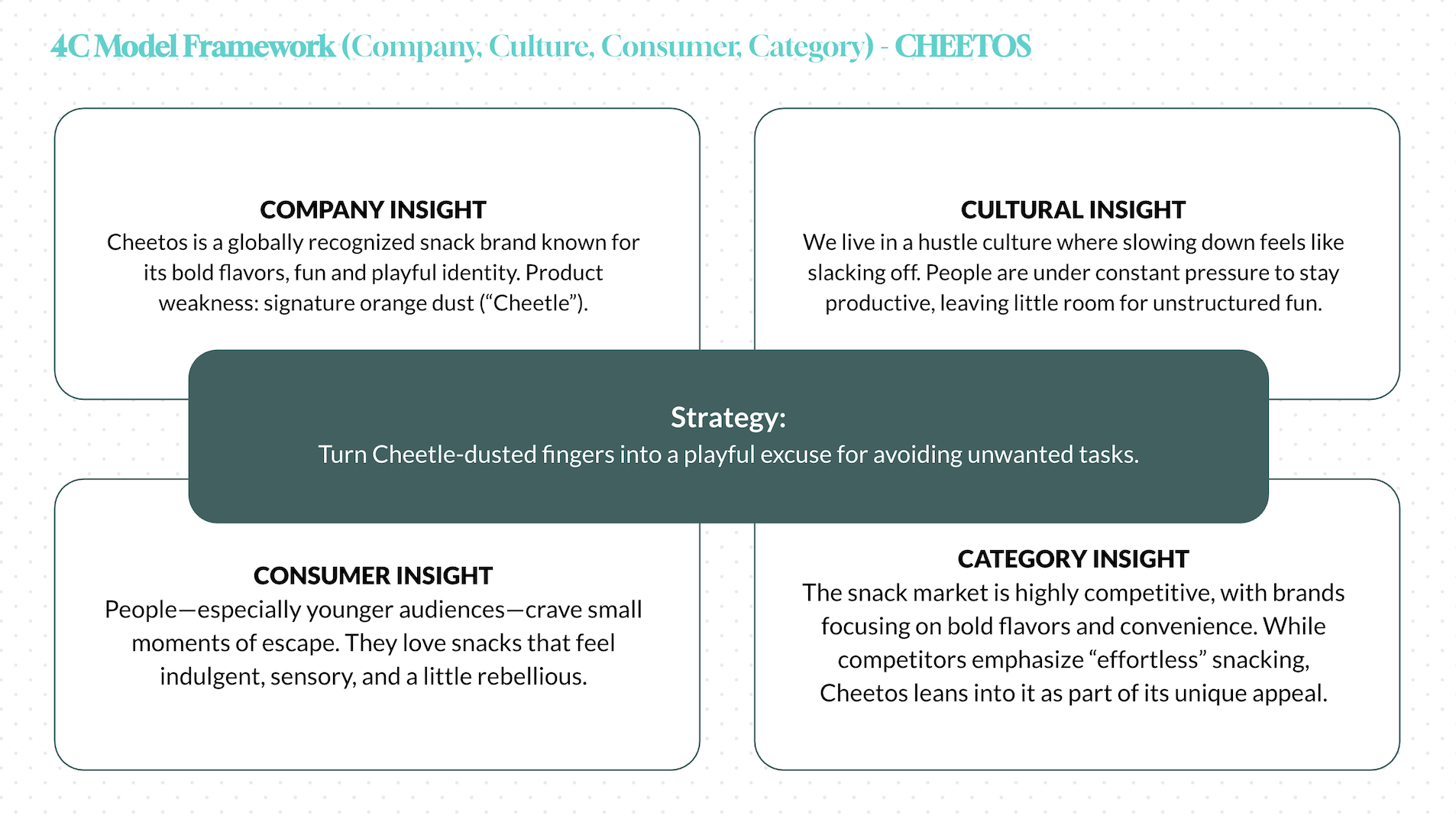
Creative Strategy Deconstructed in 4C Framework

Company INSIGHT

Tourism Australia has a massive landscape and an iconic, if slightly dated, cultural export in Crocodile Dundee. They realized their biggest asset was a legendary character they hadn't touched in decades.

Category INSIGHT

Tourism ads are usually slow-motion shots of beaches and people eating seafood. It's boring, repetitive, and everyone ignores it because it all looks exactly the same across every single destination.

Strategy:

Use a fake movie sequel to hijack the legacy reboot trend and reintroduce Australia as an adventure destination.

Customer INSIGHT

People want to feel the excitement of adventure without the corporate polish. They miss the rugged, fun-loving version of Australia that was promised to them by 80s cinema and pop culture icons.

Culture INSIGHT

We live in an era of endless reboots and sequels. By mimicking the legacy sequel trend, the campaign tapped into the specific cultural habit of over-hyping cinematic returns to generate massive earned media.

Why is Lean Into Nostalgia a Great Strategy?

It works because the human brain is wired to remember the past through a filtered, rose-tinted lens that ignores the bad parts.

Bypasses modern consumer skepticism and cynicism

Triggers immediate emotional resonance and connection

Creates shared cultural moments across generations

Lowers the barrier to brand trust

When you use this strategy, you aren't selling a product; you're selling a feeling they thought was gone forever. It’s effective because it’s a shortcut to relevance that doesn’t require you to invent a whole new personality. Just don't be a creep about it.

! When not to use the "Lean Into Nostalgia" Strategy

If your brand has a history of ruining things people love, this Strategy will just remind them why they started ignoring you in the first place.

Steps to implement: How to Dig Up the Past Without Looking Desperate

1

Identify the collective "Good Old Days"

Don't just pick a random year. Find a specific cultural artifact or feeling that your audience actually cares about. For Tourism Australia, it was an iconic film character that defined a nation's vibe. If your audience wasn't alive for it, you're just showing them old photos of someone else's family. That’s not strategy; that’s stalking.

2

Find the tension between then and now

Nostalgia needs a hook. Contrast the simplicity of the past with the absolute chaos of the present. Show how your brand bridges that gap. If you just copy-paste an old aesthetic without a modern twist, you're just doing cosplay. You need to give them a reason to care about the memory in the context of their current, miserable lives.

3

Build the bait-and-switch mechanism

Like the Dundee campaign, don't just announce you're back. Create a moment of genuine excitement. Use trailers, teasers, or cryptic leaks to get people talking before the reveal. The anticipation is half the battle. If you just dump the ad in their lap, you’ve wasted the emotional buildup. Make them work for it a little.

4

Subvert expectations with a purpose

Once you have their attention, pivot hard. The reveal that it’s an ad needs to be as entertaining as the nostalgia itself. If the payoff is just a boring sales pitch, they’ll feel cheated. Tourism Australia succeeded because the reveal was a joke they were in on. Keep the energy high and the branding sharp. Don't let the momentum die.

5

Tie it back to current utility

Great, you made them cry about 1986. Now what? You have to link that feeling to why they should buy your stuff today. If there's no bridge between the memory and the product, you've just funded a very expensive trip down memory lane. Ensure the brand is the hero that brings the good vibes into the present day.

Related Creative Strategy Techniques

Explore Strategy Frameworks

Use these proven frameworks to build your creative strategy and implement the Lean Into Nostalgia approach effectively.
We use cookies on our site to enhance your user experience, provide personalized content, and analyze our traffic. Cookie Policy