Develop a Creative Strategy: Make the Brand the Hero of a Bigger Fight

What is the Make the Brand the Hero of a Bigger Fight Strategy and when should I use it?

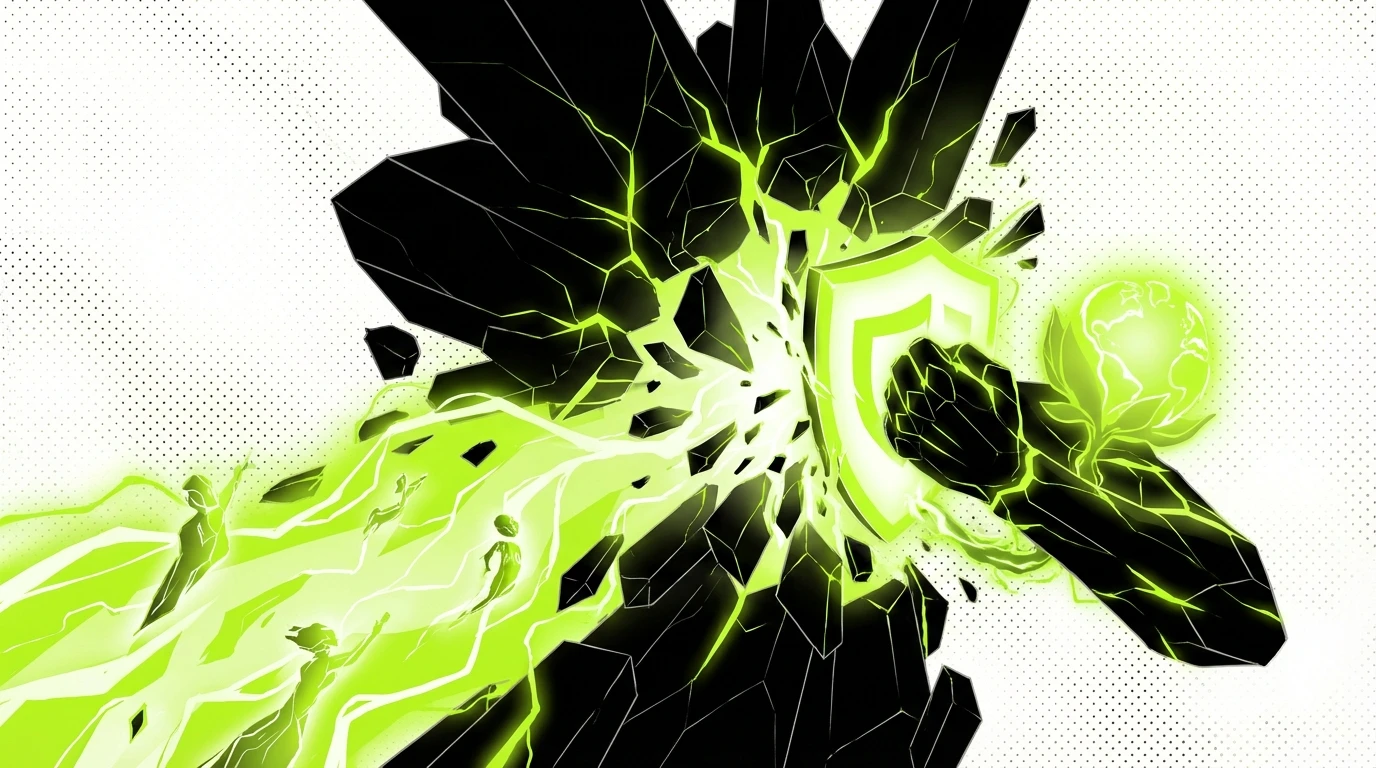
It’s the art of attaching your mediocre product to a global crisis so people feel like activists for buying a keychain. This strategy isn’t about features; it’s about moral high grounds. You use it when your category is drowning in a sea of sameness and your only way out is to pick a fight with something much larger than yourself—like consumerism, climate change, or toxic beauty standards. It turns a transaction into a statement of identity. If your brand actually stands for something, great. If not, you better find a villain fast, or you’re just another logo on a shelf...
How to execute this strategy effectively
Stop trying to be the hero yourself; make the customer the hero for choosing you. You need a legitimate enemy that isn't your competitor. Think bigger. In 2011, Patagonia didn't tell you their fleece was soft; they told you to stop buying it to save the planet. To pull this off, you need receipts. If you claim to fight for the ocean but use plastic straws in the breakroom, the internet will eat you alive. Pick a fight you’re actually willing to lose money over. That’s the only way people will believe you’re not just another corporate vampire sucking the blood out of a social movement...
Example: Patagonia - Don't Buy This Jacket campaign (2011)
Patagonia’s 2011 "Don’t Buy This Jacket" ad in the New York Times is the gold standard. Instead of pushing Black Friday sales, they listed the environmental cost of their best-selling R2 Jacket. They told people to repair what they had instead of buying new. By attacking the very consumerism that fuels their industry, Patagonia became the champion for the planet, making every purchase feel like a vote for a better world instead of just shopping..
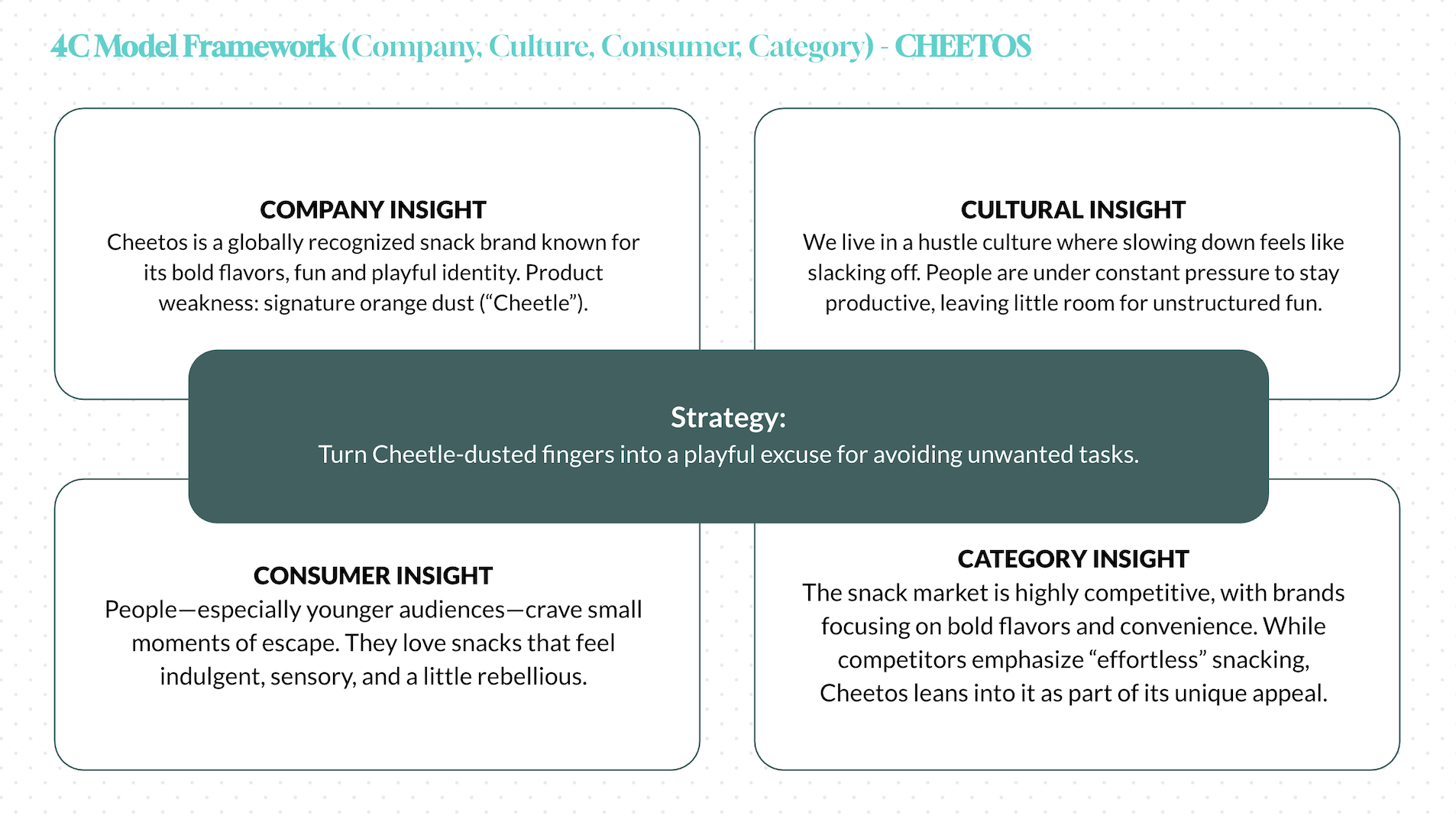
Creative Strategy Deconstructed in 4C Framework
Company INSIGHT
Patagonia has a long history of environmental activism and high-quality, durable gear. They actually have the infrastructure for repairs and a supply chain that isn't a total disaster.
Category INSIGHT
Outdoor apparel brands usually scream about technical specs and performance. During Black Friday, everyone else is begging you to buy more stuff you don't need at a discount.
Strategy:
Flip the script on Black Friday by telling people not to buy your product, thereby proving you value the planet more than profit.
Customer INSIGHT
The conscious consumer feels guilty about their impact on the planet but still needs a jacket. They want to feel like their purchase is an investment, not a contribution to a landfill.
Culture INSIGHT
The 2011 post-recession era saw a growing backlash against mindless consumerism and the 'throwaway culture' that was clearly destroying the environment.
Strategy:
Flip the script on Black Friday by telling people not to buy your product, thereby proving you value the planet more than profit.
Company INSIGHT
Patagonia has a long history of environmental activism and high-quality, durable gear. They actually have the infrastructure for repairs and a supply chain that isn't a total disaster.
Category INSIGHT
Outdoor apparel brands usually scream about technical specs and performance. During Black Friday, everyone else is begging you to buy more stuff you don't need at a discount.
Customer INSIGHT
The conscious consumer feels guilty about their impact on the planet but still needs a jacket. They want to feel like their purchase is an investment, not a contribution to a landfill.
Culture INSIGHT
The 2011 post-recession era saw a growing backlash against mindless consumerism and the 'throwaway culture' that was clearly destroying the environment.
Why is Make the Brand the Hero of a Bigger Fight a Great Strategy?
It turns a boring transaction into a moral crusade.
Escapes the price-comparison death spiral quickly
Builds intense, cult-like brand loyalty
Generates massive PR without paying for it
Positions your brand as a cultural leader
This strategy works because humans are desperate for meaning in a world of endless garbage. When you give them a way to solve a problem by simply buying a specific brand, they’ll stick with you forever. Just don't get caught lying about it.
! When not to use the "Make the Brand the Hero of a Bigger Fight" Strategy
Don't use this Strategy if your company's actual business practices are the villain you're claiming to fight; hypocrisy is a one-way ticket to a PR dumpster fire.
Steps to implement: Stop selling widgets and start a revolution
Identify a massive, industry-wide villain
Look at your category and find the thing everyone hates but ignores. Is it fast fashion? Is it planned obsolescence? For Patagonia, it was the mindless consumption of Black Friday. Your villain shouldn't be a competitor; it should be a systemic problem that your brand is uniquely positioned to tackle. If you can't find a villain, you're probably part of the problem.
Prove you have skin in the game
You can't just talk. You need to do something that hurts your bottom line in the short term. Patagonia told people not to buy their stuff. That’s a ballsy move that builds trust. If your "bigger fight" doesn't cost you anything, it's not a strategy; it's a hollow marketing campaign that people will see through in about five seconds.
Empower the customer to take action
Give your audience a role in the fight. Don't just say "we are saving the world." Say "help us save the world by doing X." This transforms the customer from a passive consumer into an active participant. In the Patagonia example, the action was repairing old gear. It gives them a story to tell their friends about why they chose you.
Use polarizing language to draw lines
If you're trying to please everyone, you're not in a fight. Use bold, definitive statements that might actually annoy some people. You want the people who agree with you to feel like they've found their tribe. If your copy sounds like a corporate HR manual, you’ve already lost. Be sharp, be direct, and don't apologize for having a backbone.
Tie the product to the solution
Finally, show how your product is the tool for the fight. It shouldn't feel forced. If the fight is against waste, your product better be durable. If the fight is against inequality, your supply chain better be clean. The product is the weapon the hero—the customer—uses to defeat the villain you identified in step one. Now go win.
Related Creative Strategy Techniques
Explore Strategy Frameworks
Use these proven frameworks to build your creative strategy and implement the Make the Brand the Hero of a Bigger Fight approach effectively.