Build a Creative Strategy: Make the Product Misbehave

What is the Make the Product Misbehave Strategy and when should I use it?

This strategy is about intentionally sabotaging your product or admitting a massive failure to prove you’re actually listening. It’s for when your brand has become a sterile, corporate ghost that people have stopped noticing. You use it when you’ve got enough equity to survive the hit and enough self-awareness to realize that perfection is boring. If your customers are annoyed about a specific change or a legacy issue, lean into the chaos. It’s the ultimate flex: showing you’re so secure in your brand’s value that you can afford to point out the cracks in the armor for a laugh. Do it now.

How to execute this strategy effectively

Stop trying to spin the failure. If you’re going to break the product or apologize for a past sin, do it with your chest out. Start by identifying a genuine friction point—not some manufactured 'oopsie' that feels like a PR stunt. Then, amplify the mistake until it’s impossible to ignore. Skittles didn't just bring back Lime; they spent years acknowledging the Green Apple era was a mistake. You need to be the loudest critic of your own work. If you don't sound like you're having a minor breakdown while doing it, the audience will smell the corporate desperation from a mile away. It works well.

Example: Skittles - Lime Apology Campaign

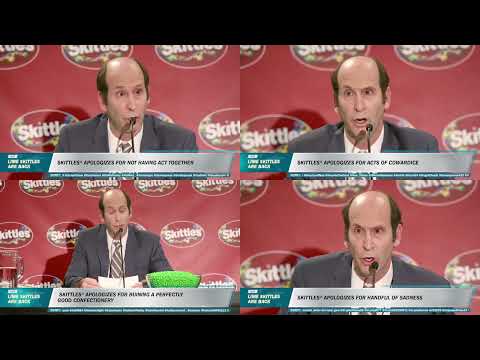
Skittles ditched Lime for Green Apple in 2013, and the internet never let them forget it. Instead of a quiet swap back, they launched a massive 'apology' tour. They held a literal press conference to admit they were wrong and forced their employees to read thousands of mean tweets about Green Apple. They made the 'misbehavior' of changing the flavor the hero of the story, turning a decade of customer resentment into a massive win for the brand.

Creative Strategy Deconstructed in 4C Framework

Company INSIGHT

The brand had a massive stockpile of 'Green Apple' resentment and a loyal but annoyed fan base ready for a return to form.

Category INSIGHT

Candy brands usually launch new flavors with shiny ads and ignore the thousands of people begging for old favorites in the comments.

Strategy:

Publicly humiliate the brand for a past mistake to celebrate the return of a fan-favorite product.

Customer INSIGHT

Customers wanted to feel heard and validated after years of complaining about a flavor profile they never asked for in the first place.

Culture INSIGHT

The internet's obsession with 'justice' for niche products and the trend of brands being roasted on Twitter provided the perfect stage.

Why is Make the Product Misbehave a Great Strategy?

People are tired of brands pretending to be perfect, so showing your flaws makes you human.

Vulnerability builds more trust than polished lies

It cuts through the usual marketing noise

Anger is a very powerful engagement tool

Proves you actually listen to your customers

It's a high-stakes move that signals extreme confidence. When you stop hiding the mess, people start paying attention to the message. Just don't actually break the thing people pay for.

! When not to use the "Make the Product Misbehave" Strategy

Don't use this Strategy if your product is already genuinely broken and people actually hate you. You’ll just be reminding them why they canceled their subscription.

Steps to implement: Stop acting like your brand is perfect and start breaking things.

1

Find the genuine fan grudge

Look for the thing your customers complain about most in the comments. It shouldn't be a fatal flaw, just a polarizing choice that sparked genuine emotion. If nobody is complaining, you aren't relevant enough to use this strategy yet. Skittles knew the Lime fans were a vocal, slightly unhinged minority that they could easily mobilize into a massive, loud army of advocates.

2

Admit you messed up publicly

Skip the corporate PR apology. No 'we value your feedback' nonsense. Admit the mistake in a way that feels raw and slightly embarrassing. The goal is to make the audience feel like they finally won an argument against a giant corporation. When Skittles held a fake press conference, they weren't just announcing a flavor; they were surrendering to the mob with style.

3

Turn the fix into theater

Don't just fix the problem; make a scene. If you're bringing back a feature, host a funeral for the one that replaced it. If you're fixing a bug, name it after the person who complained loudest. You want to transform a standard product update into a cultural moment that people actually want to share. It needs to feel like an event, not a line item.

4

Weaponize the past critics

Reach out to the people who hated the 'misbehaving' version of your product. Give them the first look, the first taste, or the first apology. By centering the story on your former haters, you prove that you’re actually paying attention. Skittles literally had an employee read 138,218 apologies. That kind of commitment to the bit is what builds real brand loyalty.

5

Don't pivot back to boring

Once the 'apology' or 'breakage' is done, don't immediately go back to your standard corporate voice. Keep that same energy. This strategy works because it breaks the fourth wall. If you immediately go back to posting generic 'Happy Monday' content, the magic dies. Stay weird, stay honest, and keep your audience wondering what you’re going to screw up next.

Related Creative Strategy Techniques

Explore Strategy Frameworks

Use these proven frameworks to build your creative strategy and implement the Make the Product Misbehave approach effectively.
We use cookies on our site to enhance your user experience, provide personalized content, and analyze our traffic. Cookie Policy