Build a Creative Strategy: Turn Data Into Drama

What is the Turn Data Into Drama Strategy and when should I use it?

It is the art of taking a boring spreadsheet and turning it into a gut-punch that makes people actually feel something. Most data is a sedative, but this strategy treats numbers like a weapon. Use it when your audience is comfortably numb or when your product category is so saturated with "innovation" talk that everyone has checked out. If your stats don’t make someone sweat, laugh, or call their mom, you’re just doing math in public. It’s for when you need to stop being a vendor and start being a mirror, reflecting the uncomfortable reality that your customers are currently ignoring.

How to execute this strategy effectively

You start by hunting for the most depressing statistic you can find, then you humanize it until it hurts. Don't just say "people are lonely." Use an algorithm to calculate exactly how many minutes of life a person has left to spend with their loved ones, like Ruavieja did. You take a cold, hard fact and strip away the clinical distance until the audience realizes the data is actually about them. It requires a certain level of ruthlessness. You are not informing them; you are confronting them. If your execution feels like a math lesson, you’ve failed. It should feel like a wake-up call at 3 AM.

Example: Ruavieja – „The Time We Have Left“ (2019)

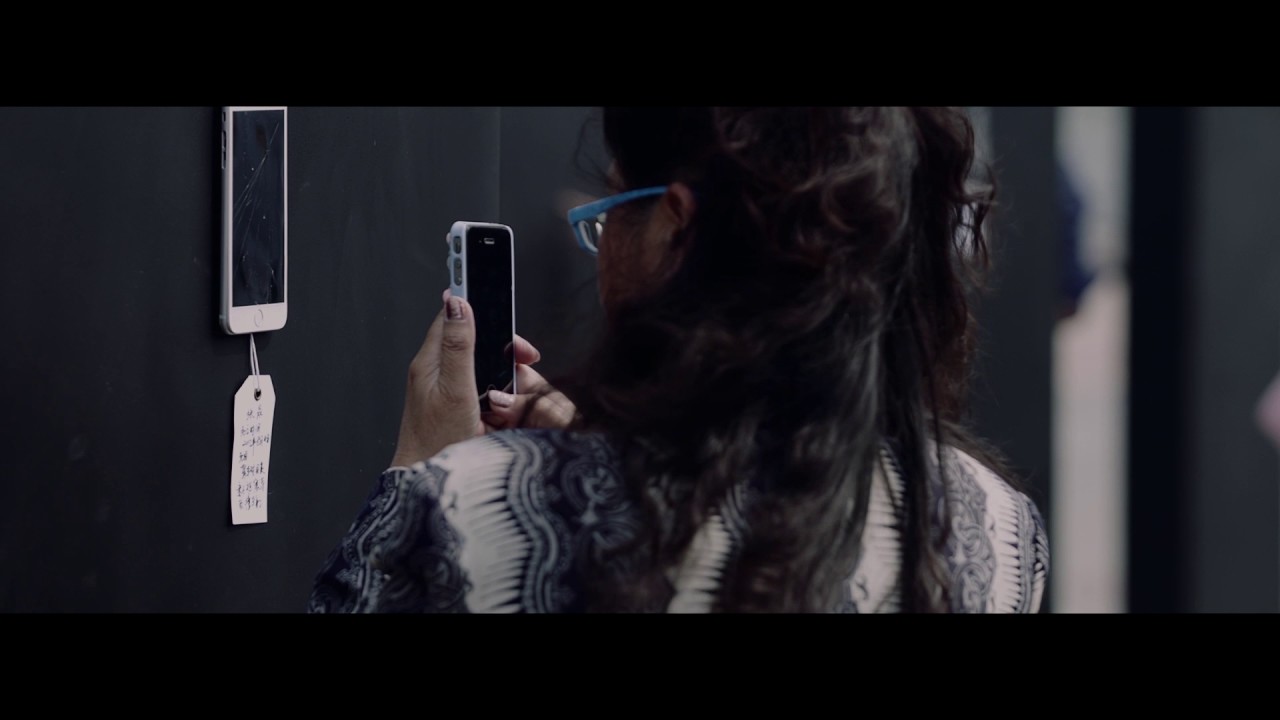
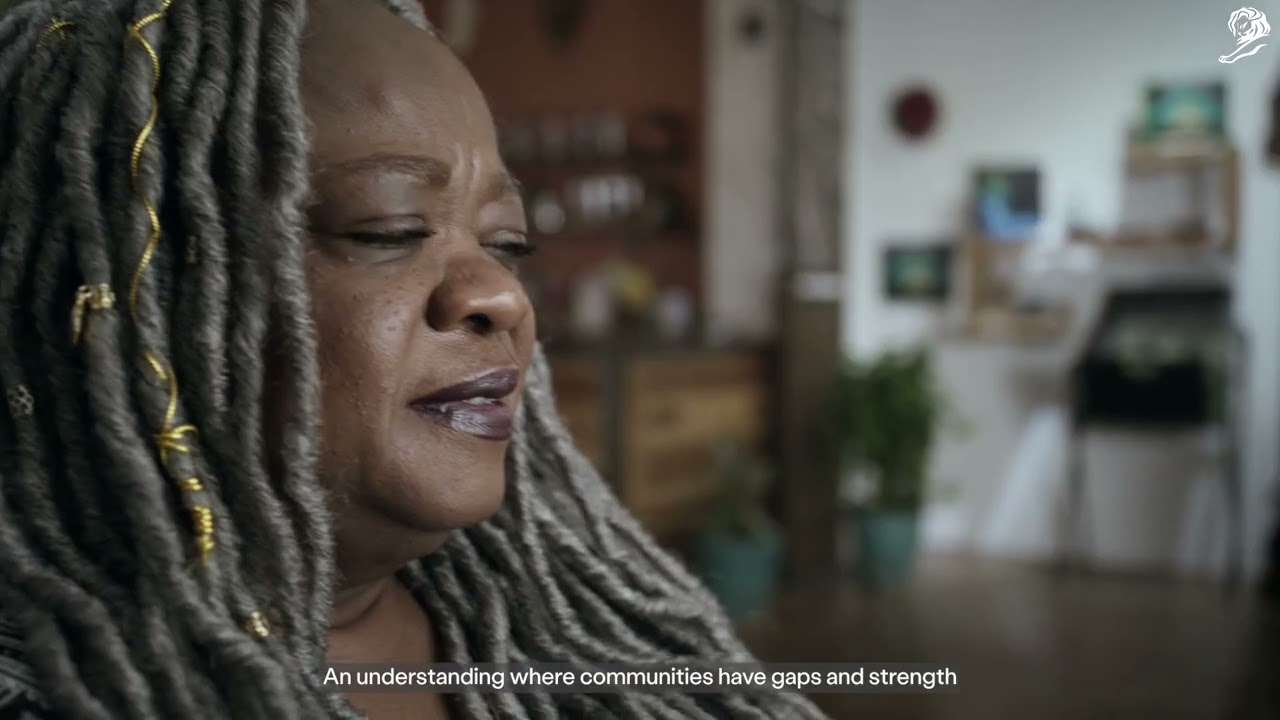
Ruavieja, a Spanish liqueur brand, didn't just tell people to see their friends. They built an algorithm that calculated exactly how much time you had left to spend with specific people based on your habits and age. The campaign showed real people being told they only had 58 days left with their best friend or 12 days with their mother. It turned a vague social concept into a terrifying, finite number that demanded immediate action. Brutal. Do it

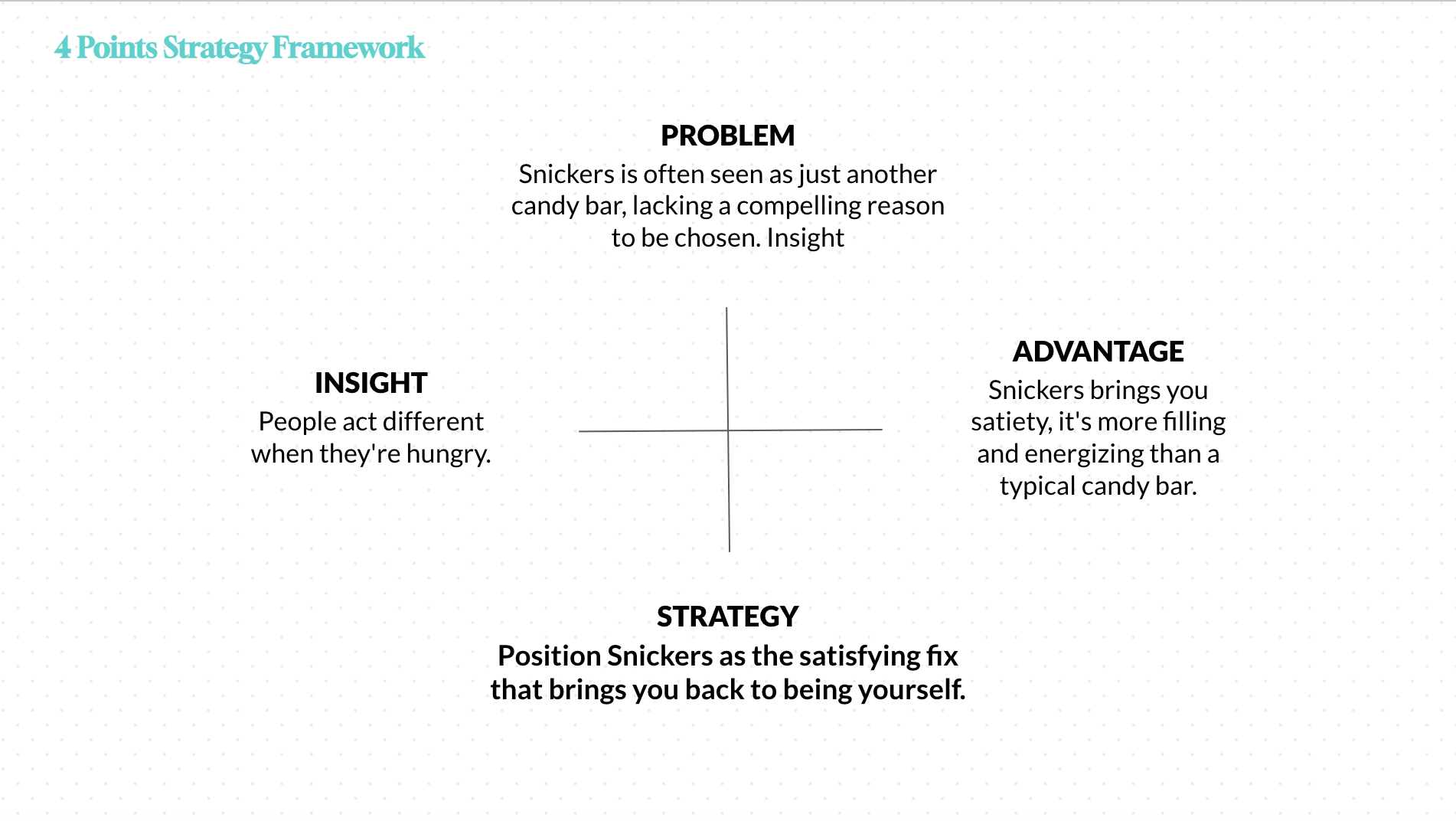
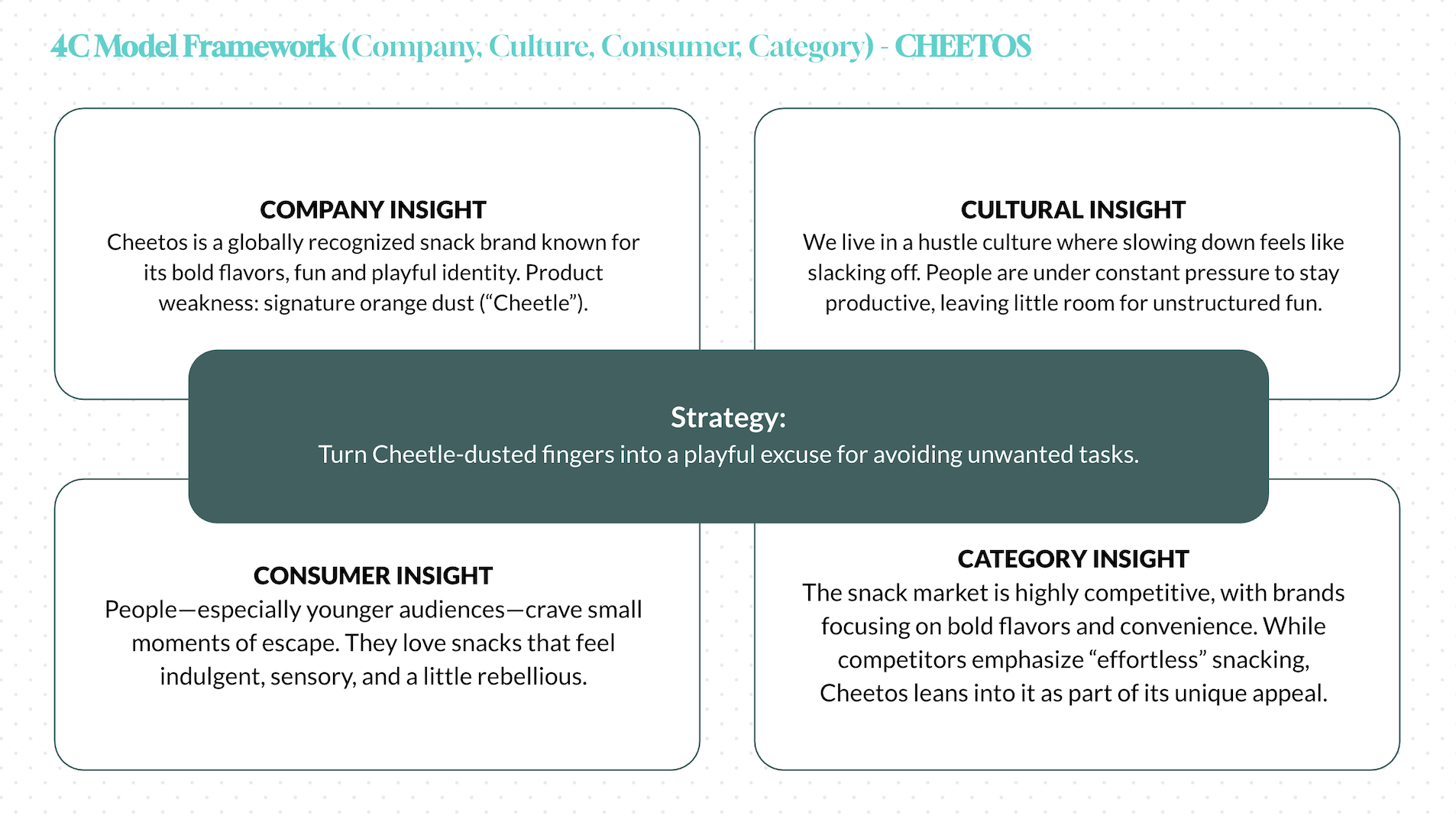
Creative Strategy Deconstructed in 4C Framework

Company INSIGHT

Ruavieja is a liqueur meant for sharing, but they realized people were buying the product without actually making time for the people they share it with.

Category INSIGHT

Alcohol brands usually show young, beautiful people having the time of their lives in clubs, ignoring the reality of aging and drifting apart.

Strategy:

Turn the abstract concept of 'spending time together' into a terrifyingly accurate countdown clock to force immediate social connection.

Customer INSIGHT

People claim to value friendship but prioritize screens and work, assuming they have infinite time to catch up 'later' with the people who matter.

Culture INSIGHT

Tapped into the growing anxiety over screen time and social isolation, using a cold algorithm to prove that 'later' is actually a very short, finite window.

Why is Turn Data Into Drama a Great Strategy?

Logic makes people think, but dramatized data makes them move before they can talk themselves out of it.

Turns abstract concepts into unavoidable realities

Triggers visceral emotional reactions instantly

Cuts through the noise of generic claims

Forces immediate behavior change through urgency

This works because humans are terrible at conceptualizing large numbers but excellent at feeling personal loss. By narrowing the data down to a single person's experience, you bypass the analytical brain and go straight for the jugular. It’s not about the math; it’s about the stakes.

! When not to use the "Turn Data Into Drama" Strategy

Don't use this Strategy if your brand is too cowardly to handle the fallout of actually making your customers feel uncomfortable or slightly depressed for a minute.

Steps to implement: Stop Drowning People in Boring Spreadsheets

1

Find the single most painful fact

Scour your research for a data point that isn't just impressive, but actually hurts. It needs to be a truth that people are actively trying to ignore. If it doesn't make you feel a little bit uneasy when you read it, it’s not the right one. You’re looking for the 'oh shit' moment hidden in the rows of Excel.

2

Strip away the clinical marketing jargon

Take that data point and remove every piece of corporate fluff. Don't say '80% of users experience dissatisfaction.' Say 'You are wasting 40 hours a year doing something you hate.' The goal is to make the data feel personal, not statistical. If it sounds like a press release, delete it and start over. Be blunt.

3

Build a calculator for their misery

Like Ruavieja, create a way for the audience to input their own lives into your data. Whether it’s an interactive tool or a simple comparison, they need to see their own face in the numbers. When the data becomes a mirror, it stops being a 'fact' and starts being a personal problem they need to solve immediately.

4

Visualize the scale of the loss

Show them what they are losing, not what they are gaining. Humans are loss-averse creatures. If the data says they have 100 days left, show those days disappearing. Use visuals that feel raw and unpolished. High-gloss production often kills the sincerity of a hard truth. Keep it real, keep it simple, and keep it devastatingly clear.

5

Offer the liqueur-flavored escape hatch

Once you’ve successfully ruined their day with the truth, show them how your brand helps them reclaim what’s left. Don't be a hero; be a tool. Ruavieja didn't promise immortality; they just suggested you spend those remaining days drinking with friends. Give them a clear, small step to take that alleviates the tension you just created.

Related Creative Strategy Techniques

Explore Strategy Frameworks

Use these proven frameworks to build your creative strategy and implement the Turn Data Into Drama approach effectively.
We use cookies on our site to enhance your user experience, provide personalized content, and analyze our traffic. Cookie Policy