Develop a Creative Strategy: Turn the Brand Into a Movement

What is the Turn the Brand Into a Movement Strategy and when should I use it?
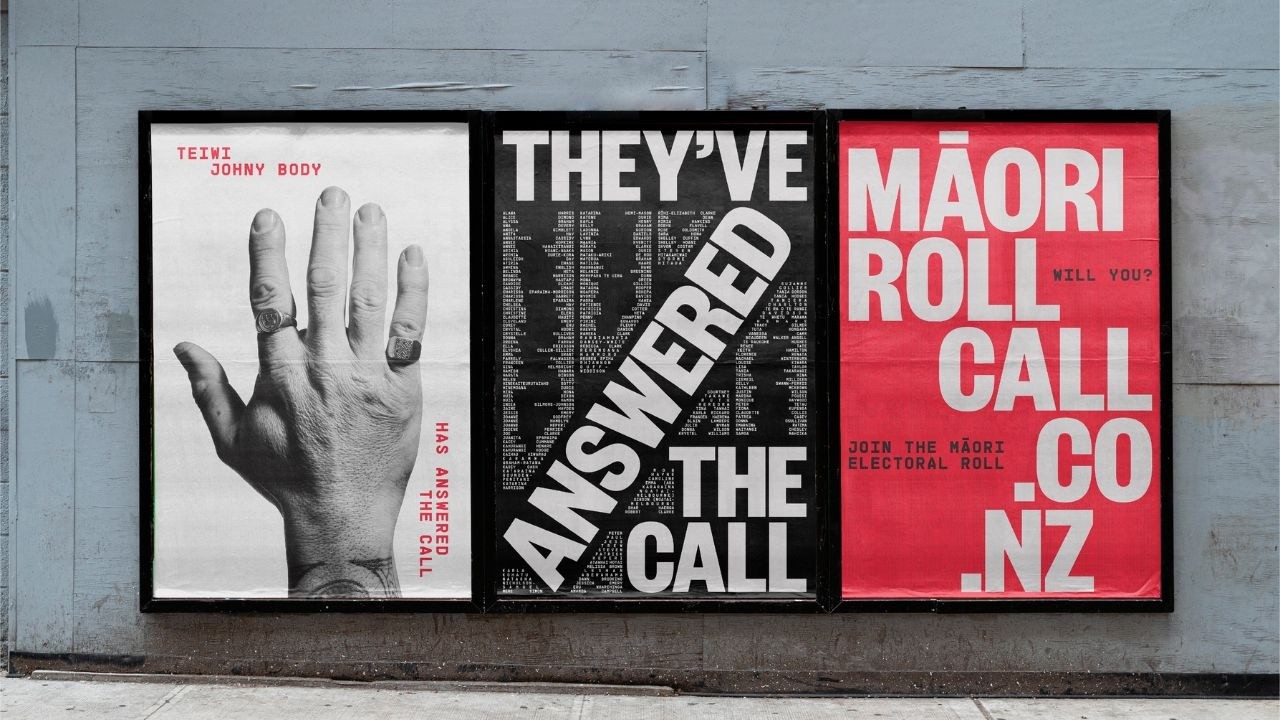
Look, nobody actually wants to buy your product. They want to belong to something that makes them feel less like a cog in the machine. This strategy stops treating people like wallets and starts treating them like members of a tribe. You use it when your product is a commodity and your competitors are all shouting about features that nobody cares about. It’s for when you have a soul—or can fake one well enough—to stand for a belief that exists outside of a spreadsheet. If you’re just selling soap, sell cleanliness. If you’re building a movement, sell the right to exist in a dirty world. Done.!

How to execute this strategy effectively

First, stop talking about yourself. Nobody cares about your patent-pending nozzle. Find a fight worth winning—a tension in the world that makes your target audience lose sleep. Then, position your brand as the weapon they use to win that fight. You’re not the hero; they are. You’re just the armorer. Look at Nike’s "You Can’t Stop Us." They didn't sell shoes; they sold the collective resilience of humanity during a global shutdown. It requires consistency, not just a one-off post. If you back down the second a troll mentions your ROI, you didn't build a movement; you built a PR stunt. Yes?

Example: Nike – "You Can't Stop Us" (2020).

In 2020, Nike didn't just drop another "buy shoes" ad. They released a split-screen masterpiece that seamlessly blended footage of 53 different athletes across various disciplines. It wasn't about the gear; it was about the shared struggle of a world in lockdown. By highlighting social justice movements and the sheer grit of staying active when the world stopped, Nike became the flag-bearer for perseverance. They weren't selling; they were leading. Fact.

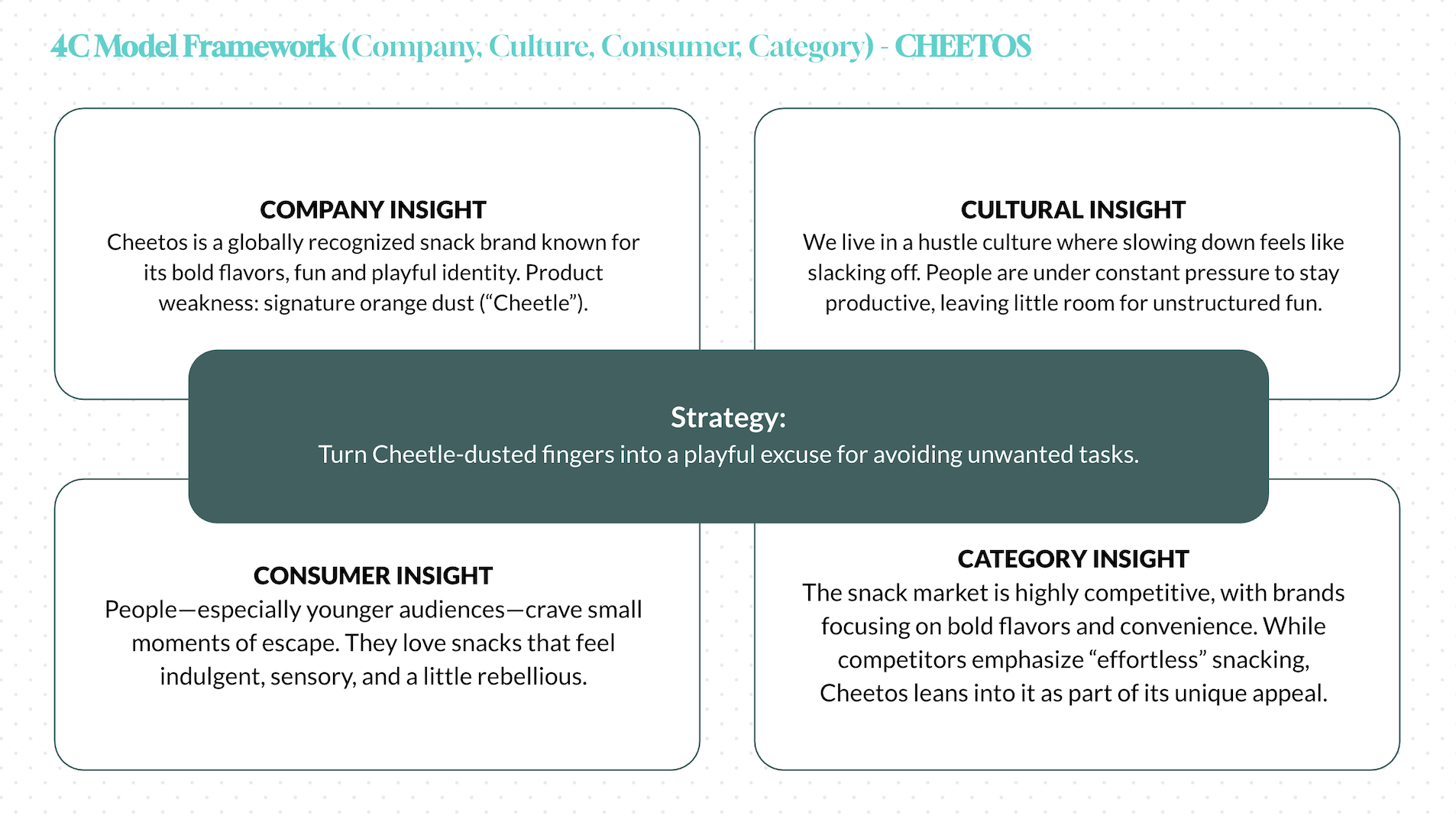
Creative Strategy Deconstructed in 4C Framework

Company INSIGHT

Nike owns the "Just Do It" legacy and a massive roster of diverse athletes, giving them the authority to speak on global resilience.

Category INSIGHT

The sportswear category usually focuses on individual glory and performance specs, ignoring the collective psychological state of the world.

Strategy:

Pivot from individual athletic performance to a collective human movement of unstoppable resilience through shared struggle.

Customer INSIGHT

Customers felt isolated and demotivated during the 2020 lockdowns, craving a sense of connection and a reason to keep pushing forward.

Culture INSIGHT

The 2020 pandemic and social justice movements created a unique cultural moment where unity and perseverance were the only currencies that mattered.

Why is Turn the Brand Into a Movement a Great Strategy?

It stops you from being a boring commodity and turns your customers into an unpaid, highly motivated sales force.

Creates irrational brand loyalty that survives price hikes

Generates earned media without begging for it

Solves the "what do we post" problem

Makes your competitors look like soulless robots

When you stand for something, people stand with you. It’s the difference between being a line item on a budget and a part of someone’s identity. Just don't pick a fight you aren't willing to finish, or you'll look like every other corporate coward.

! When not to use the "Turn the Brand Into a Movement" Strategy

If your brand is a spineless conglomerate that values quarterly safety over having a pulse, this Strategy will blow up in your face.

Steps to implement: How to start a cult without the legal fees.

1

Identify a genuine cultural tension.

Find something that actually pisses people off or makes them feel unseen. If you pick something safe, you’re just doing marketing. Nike didn't pick 'liking sports'; they picked the resilience required to keep going when the literal world is falling apart. It has to hurt a little. If your 'tension' is just a minor inconvenience, go back to the drawing board and find some actual stakes.

2

Pick a side and stay there.

Movements don't have middle ground. You need to decide who you are for and, more importantly, who you are against. If everyone likes your movement, it’s not a movement—it’s a parade. Be brave enough to lose the customers who were never going to love you anyway. This isn't about being 'nice'; it's about being necessary to a specific group of people who feel ignored.

3

Equip your believers with tools.

Give them the language, the visuals, and the platform to represent the movement. In the Nike example, the split-screen edit became a visual shorthand for unity. Your brand should be the badge they wear to show they belong to the 'us' you've defined. Make it look cool. If they aren't proud to show it off on their own feed, you haven't given them a tool; you've given them homework.

4

Prove it with actual action.

If you say you're a movement but your company culture or supply chain says otherwise, the internet will find out and gut you. Movements require sacrifice. If it doesn't cost the brand something—money, time, or a safe PR standing—then it’s just a headline. Don't be a hypocrite. You can't lead a revolution from a comfortable, risk-free boardroom. Put some skin in the game or stay home.

5

Get out of the way.

Once the fire starts, stop trying to manage the flames. A real movement is owned by the people, not the brand's social media manager. Facilitate the conversation, provide the infrastructure, but let the community lead. If you try to control it too much, you’ll just suffocate the energy. Your job is to be the spark and the fuel, not the police. Step back and let the believers take over.

Related Creative Strategy Techniques

Explore Strategy Frameworks

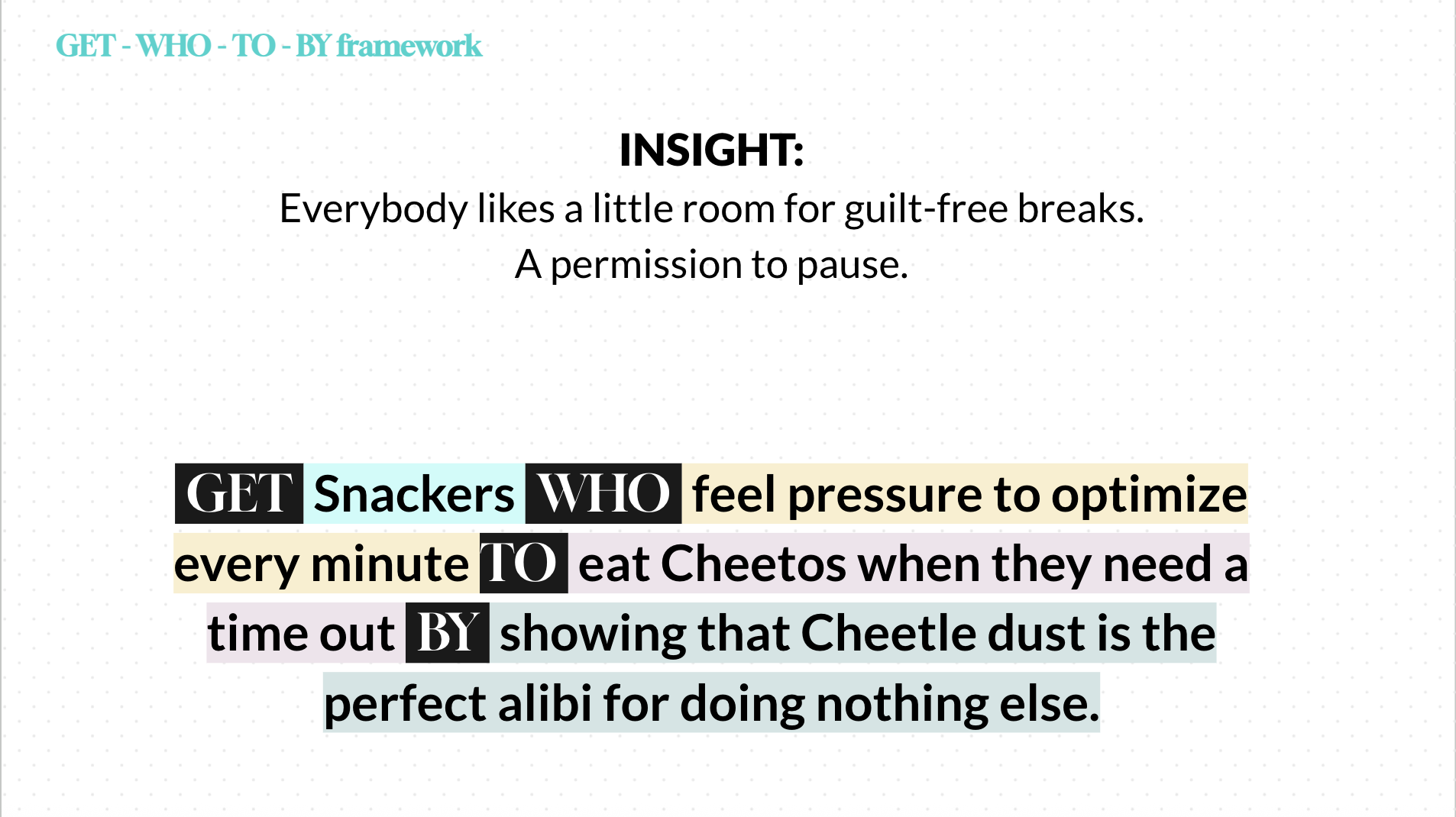
Use these proven frameworks to build your creative strategy and implement the Turn the Brand Into a Movement approach effectively.
We use cookies on our site to enhance your user experience, provide personalized content, and analyze our traffic. Cookie Policy