Create ideas using: Analogy

How do analogies actually help people understand my product?

Analogies work because they skip the learning curve. Instead of explaining how your product works from scratch, you're connecting it to something people already get. It's like showing someone a map—you don't need to teach them what roads are, you just point and say 'you're here, you want to be there.' When done right, analogies make complex ideas feel simple and familiar. That's the whole point: make your brand feel like something people already know how to use.

What makes an analogy actually work versus just being confusing?

The analogy has to actually fit. Not 'our app is like a Swiss Army knife' when it's really just a calculator. The comparison needs to illuminate something real about your product, not just sound clever. Test it: if explaining the analogy takes longer than explaining the product itself, you've picked a bad one. Good analogies are instantly clear. Bad ones make people work harder to understand your brand than they should have to.

Example: How it could look

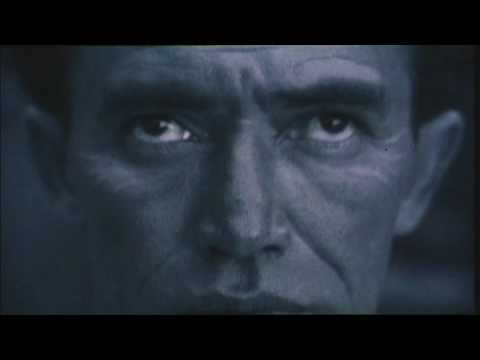
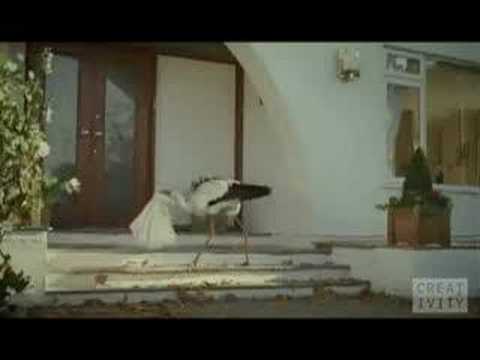
Take a password manager. Instead of explaining encryption and security protocols, compare it to a vault. Everyone knows what a vault does—it keeps valuable things safe, you need the right key, and you trust it with your most important stuff. Show the product as a digital vault, use visual metaphors of keys and locks, make security feel tangible. Suddenly, a complex tech product becomes something anyone can understand and trust.

Or like this:

Why is Analogy a great technique?

Analogies work because they turn unfamiliar concepts into familiar ones without dumbing anything down.

Makes complex ideas instantly understandable

Creates emotional connection through familiar concepts

Helps people remember your brand through the comparison

Speeds up comprehension and decision-making

When you nail the analogy, you're not just explaining your product—you're giving people a mental shortcut to understand why it matters. They don't need to learn your language because you're speaking theirs. That's the difference between a campaign that educates and one that actually sticks.

! When not to use the Analogy Technique

When your analogy is more confusing than your actual product. If people spend more time trying to figure out the comparison than understanding what you do, you've defeated the whole purpose. Also skip it if your analogy is a stretch—forced comparisons make you look desperate, not clever.

Technique first described by www.deckofbrilliance.com

Related Creative Techniques

Creative Technique

Empathize

A campaign that demonstrates deep understanding of the audience's challenges, emotions or experiences and offers genuine support. Shows the brand cares and is there to help, creating emotional connection through shared understanding.

Creative Technique

Create a Product

Transform the brand message into a tangible, new product or service. People remember what they can try; a concrete artifact dramatizes the message and brings PR effect. Steps: Write down customer pains or barriers. Come up with a product/service that solves or highlights them. Ensure it's unique or made in an unusual way. Launch it with trial possibility and media value. Variations: Creation from removed parts; limited editions; adding new service to product. Tips: Transform abstract ideas into physicality; involve partners; plan logistics before communication. Examples: 'The Swedish Number'; Burger King 'McWhopper'.

Creative Technique

Dynamic Connections

Connect internal (controllable) brand variables with external (uncontrollable) ones to create new value. Reveals new experiences and strategies beyond common product features. Steps: Write down internal variables (price, packaging, timing). Write down external ones (weather, traffic, culture). Connect them: 'If X changes, how does Y react?' Test the most interesting connections. Variations: Dynamic pricing; contextual campaigns; data connection. Tips: Use API, sensors; the rule must be clear and understandable. Examples: Weather-responsive ads; menus changing according to city mood.

Creative Technique

Backstage

A campaign based on the backstage of the product or service. It should be centered around how the product is made, what makes it special, where the ingredients come from, the passion of the people behind the brand. Let them hear the stories right from the makers' mouths.

We use cookies on our site to enhance your user experience, provide personalized content, and analyze our traffic. Cookie Policy