Create ideas using: Challenge

Why set a challenge if you're trying to sell something?

Because a challenge creates a story nobody can ignore. It turns selling into storytelling. Instead of 'buy this' you're saying 'we're attempting something nobody's attempted before, and here's the journey.' People care about stories. They care about underdogs. They care about the pursuit. When you set an audacious challenge and document the journey, you're inviting people to witness something meaningful. Some of them will want to support you through that journey.

What makes a challenge actually compelling?

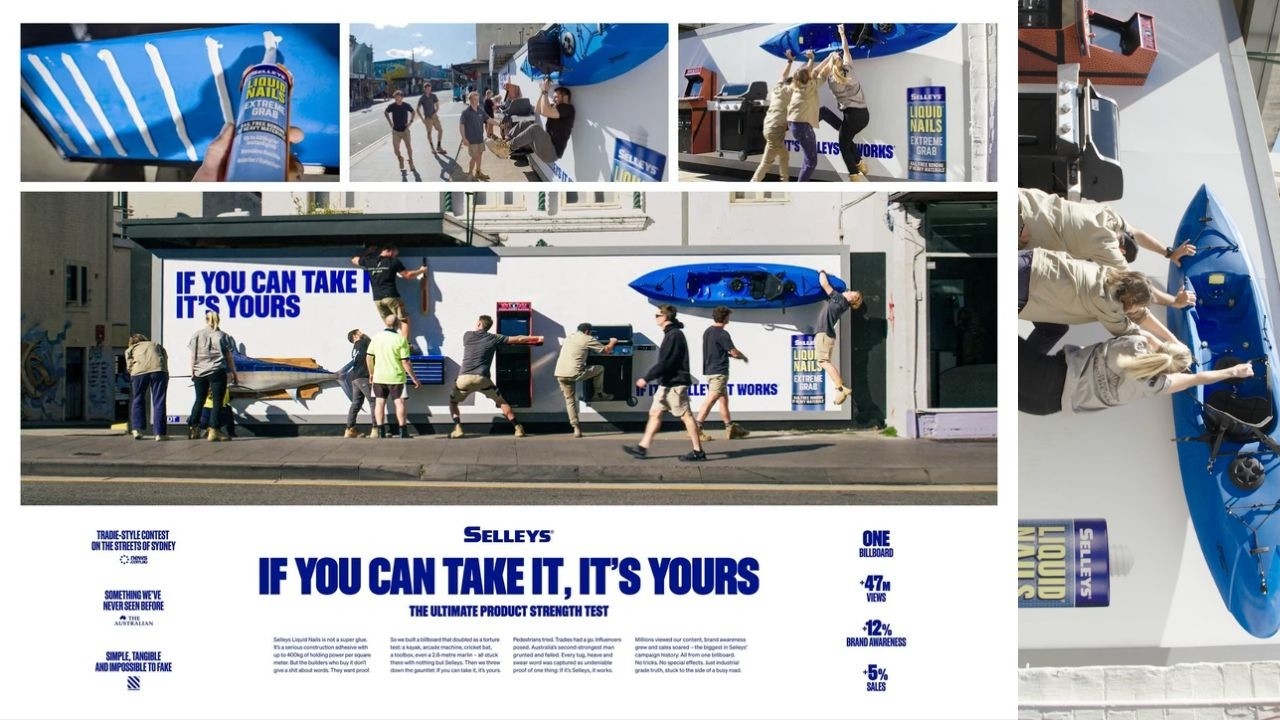
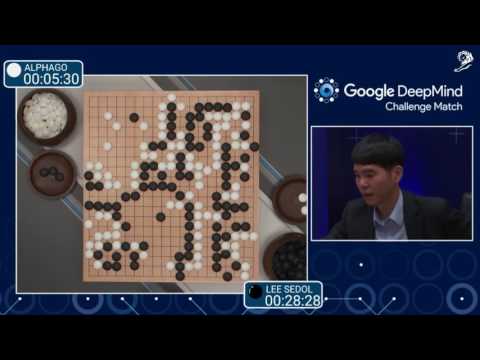
The challenge has to be real, audacious, and genuinely difficult. It can't be marketing fluff. It has to be something you're actually committing to, something that might fail, something that requires real effort and has real stakes. The story of the attempt—the struggle, the setbacks, the breakthroughs—becomes more compelling than any marketing message could be. People get invested in whether you'll pull it off.

Example: How it could look

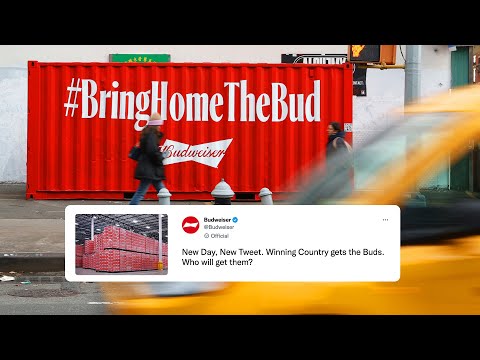
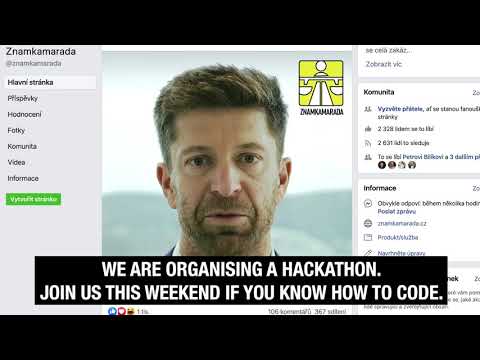
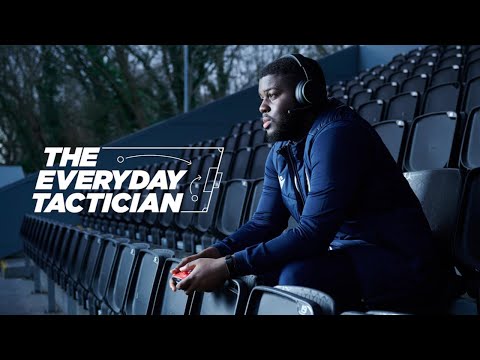
A sustainable fashion brand could set the challenge: 'Create 1000 pieces of clothing using only recycled materials in 12 months.' Then document the journey. Show the suppliers they found, the material experiments, the failures, the breakthroughs. The challenge becomes the campaign. People follow along, root for success, and become part of the story. By the time the challenge is complete, they've already chosen to support the brand because they've been on the journey.

Or like this:

Why is Challenge a great technique?

Challenge campaigns work because they transform a brand pursuit into a human story—people invest in watching someone attempt the difficult.

Creates narrative people want to follow

Demonstrates commitment and authenticity

Builds community around shared goal

Creates natural urgency and timeline

A real challenge is more magnetic than any pitch. People want to witness audacious attempts. When you set a real challenge and invite them to watch, they become invested in your success. That's loyalty built on narrative, not features.

! When not to use the Challenge Technique

When the challenge isn't actually real or is clearly just marketing theater. If it's an easy objective disguised as a challenge, people will feel manipulated. Also skip it if you're not willing to show the actual struggle and setbacks—the beauty of a challenge is in the honest journey.

Technique first described by www.deckofbrilliance.com

Related Creative Techniques

Creative Technique

Invent a Complementary Product

A campaign that creates a new product or service that works alongside the main offering to enhance its value or solve related problems. Extends the brand's impact by addressing adjacent needs or opportunities.

Creative Technique

Apply Social Pressure

A campaign that leverages social dynamics, peer influence or community expectations to encourage desired behavior. Uses the power of social proof, group norms or collective action to motivate individuals to act in alignment with the brand message.

Creative Technique

Create a Ritual

A campaign that establishes a new habit, tradition or ritual around the brand that people want to repeat. Transforms brand interaction into a meaningful, repeatable experience that becomes part of people's routines or celebrations.

Creative Technique

Fight for Cause

Create or activate a meaningful social theme aligned with the brand idea and give people a platform to get involved. Social themes mobilize emotions and behavior; attention paid to a cause positively reflects on brand sympathy. Steps: Define the brand idea or value you want to strengthen. Identify beliefs, barriers, desires associated with this idea. Come up with a theme that addresses them and supports the brand position. Design an engaging campaign with clear actions and social proof. Variations: (a) Movement; (b) social theme with individual expression; (c) Public discussion. Tips: Name the theme; don't be afraid of confrontation (within ethics); design it so media wants to cover it; make participation easy. Examples: ROM 'Romanians are smart' (McCann Bucharest); Dove 'Self-Esteem Project'.

We use cookies on our site to enhance your user experience, provide personalized content, and analyze our traffic. Cookie Policy