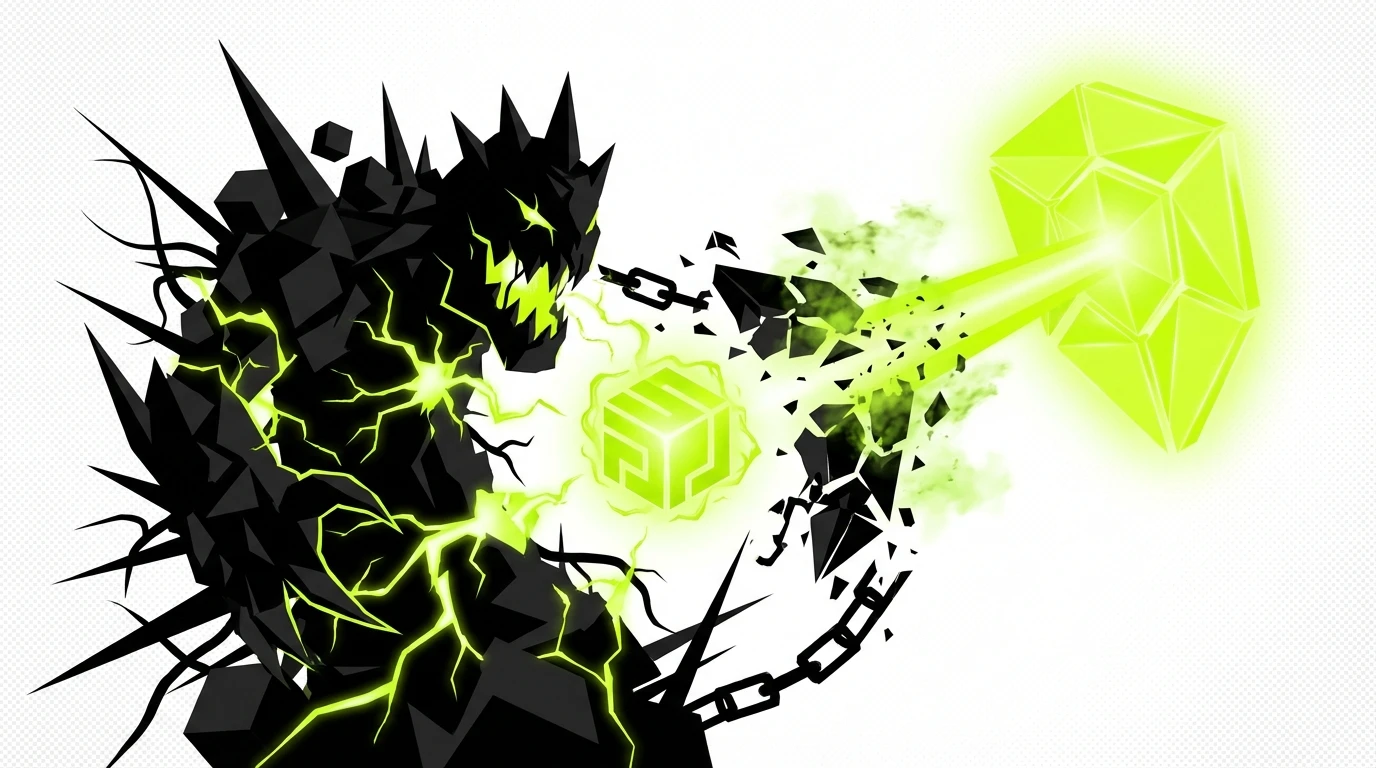
Create ideas using: Horror movie

How do I make horror work without just being creepy for no reason?

The horror has to metaphorically represent a real problem your audience faces. The monster is their fear, the suspense is their anxiety, the relief is your solution. If you're just throwing in jump scares because you think it's edgy, you're making noise, not meaning. Horror works when the dread connects to actual customer pain.

What if my product is boring and doesn't naturally fit horror themes?

Then dig deeper into the emotional stakes. Financial software might seem dull until you frame it as horror about losing control of your future. Meal kits become horror about wasting your one life cooking food you hate. Every product solves a problem. Frame that problem as the monster. The genre is just the delivery system.

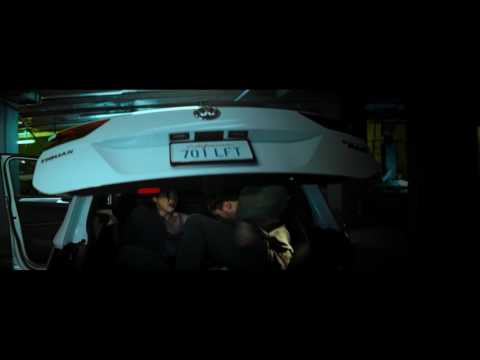
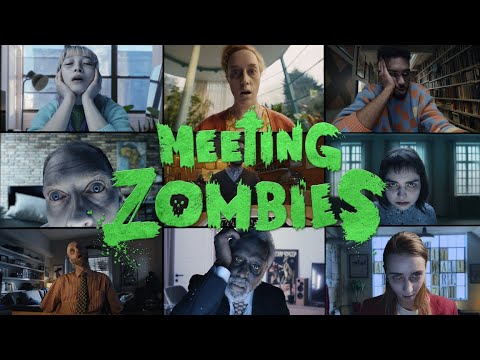
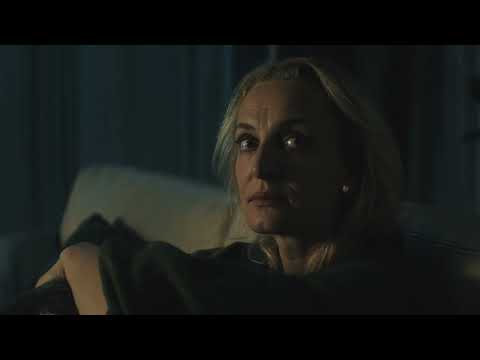
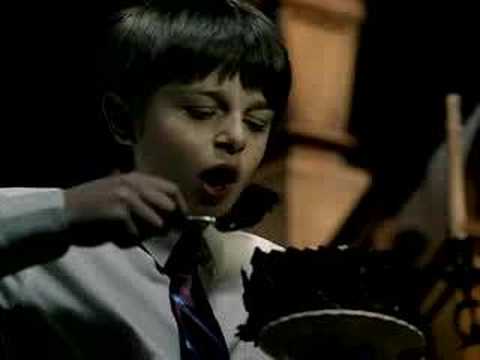
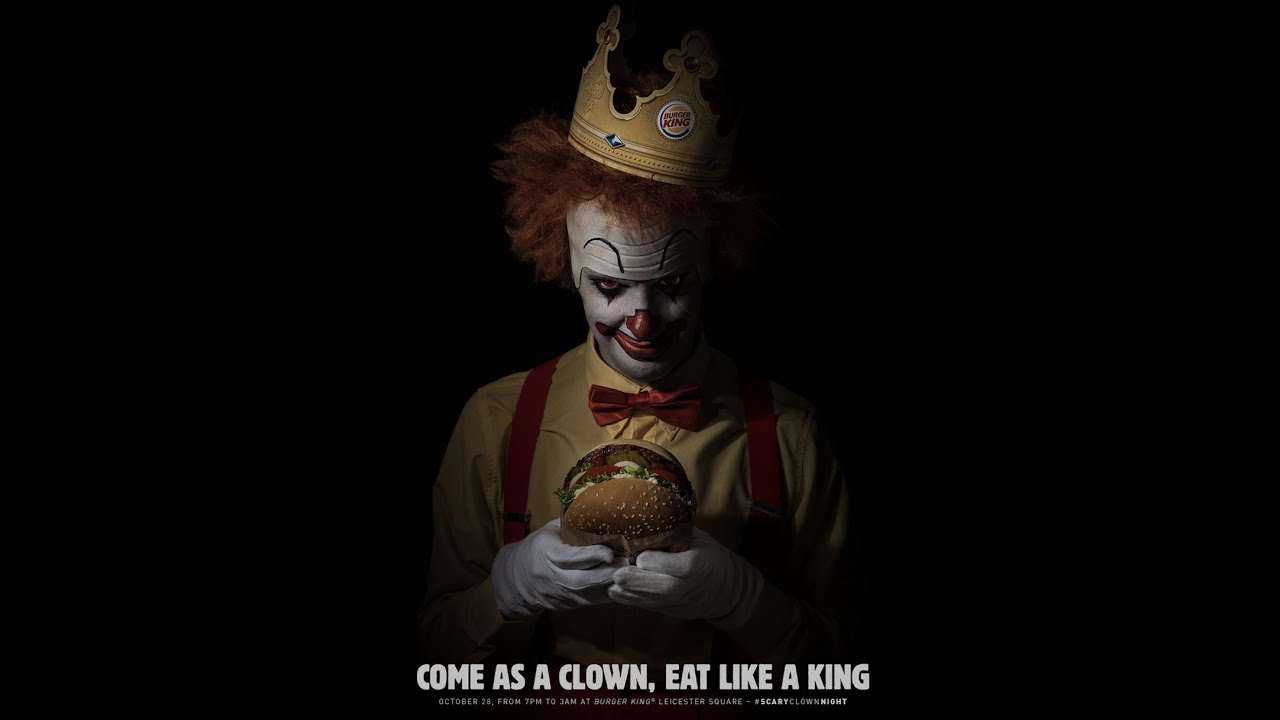
Example: How it could look

A data security company creates a horror short: a business owner slowly realizes their system has been compromised. Creeping dread, paranoid close-ups, the sinking feeling of loss of control. Then cut to calm: proper security protocols as the 'exorcism' that banishes the threat. The horror makes digital threats visceral and emotional.

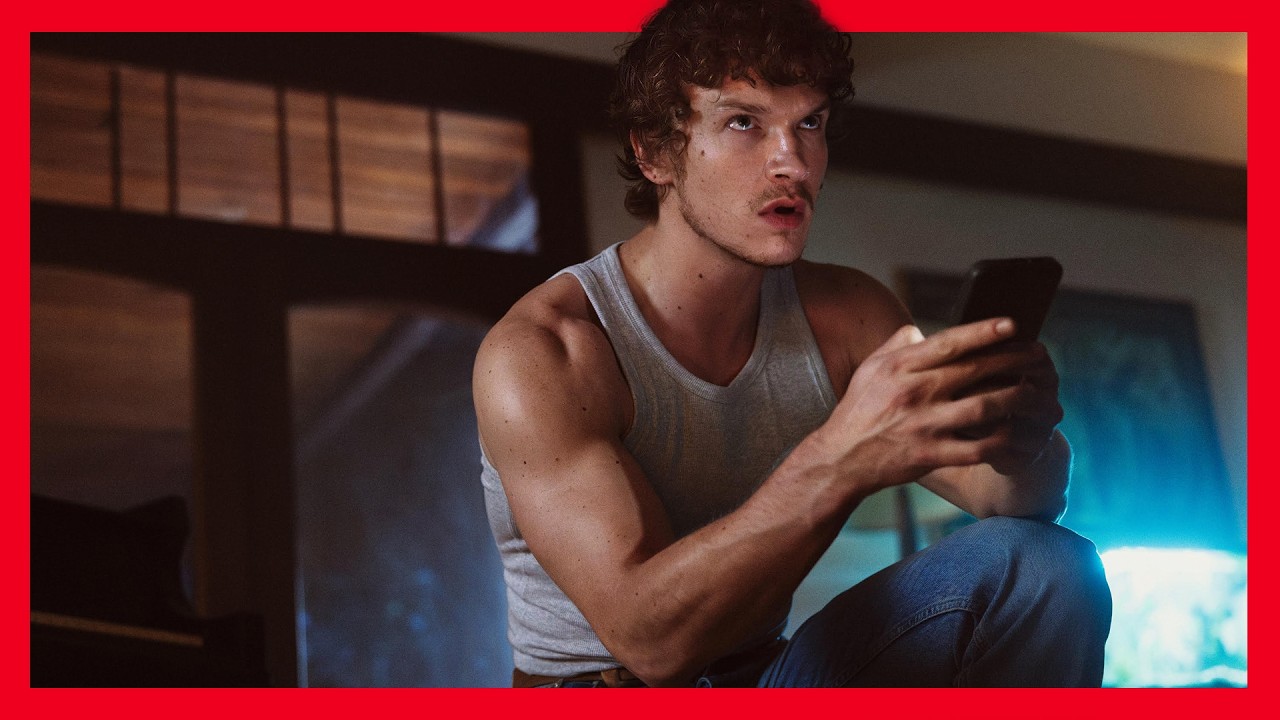
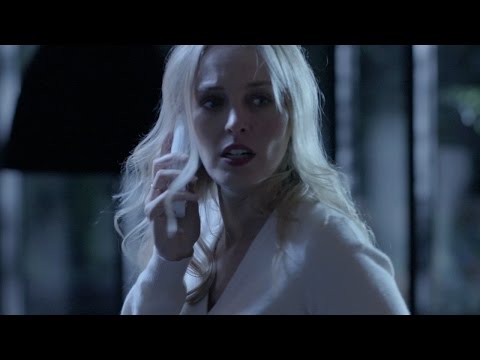
Or like this:

Why is Horror movie a great technique?

Horror creates emotional intensity and memorability by tapping into primal fears and tension-relief cycles.

Makes abstract problems feel immediate and urgent

High emotional engagement drives sharing and recall

Suspense structure keeps attention locked in

Relief of resolution makes your solution feel heroic

Horror works because fear is one of the most powerful emotional drivers humans have. When you connect that fear to a real problem and position your brand as the solution, you're not just memorable--you're psychologically sticky. Just don't be weird about it.

! When not to use the Horror movie Technique

When your brand voice is cheerful sunshine and puppies. Horror requires commitment--half-assed creepiness is just awkward and confusing.

Technique first described by www.deckofbrilliance.com

Related Creative Techniques

Creative Technique

Label

A campaign with an evocative name or symbol for the product offer or campaign topic. Or you can find a distasteful name for contradictory campaign topic. Try to use labels to support the key message.

Creative Technique

Crash Someone Else's Party

A campaign that inserts the brand into an unexpected context, event or conversation where it doesn't naturally belong. Creates surprise and attention by appearing where the brand is least expected but can add value or perspective.

Creative Technique

Dramatize the Problem

A campaign that amplifies and makes visible the problem the brand solves, showing its impact and consequences in an emotionally compelling way. Makes the issue tangible and urgent so the solution becomes essential.

Creative Technique

Search Conflicts

Discover internal (values vs. desires) and external (me vs. society) tensions related to the brand world. Conflicts create relevance and empathy; they are a source of strong insights. Steps: Define the idea, values and purpose of the brand. Map beliefs, emotions, needs and behavior of the audience. Reveal internal and external conflicts in different phases (decision-making, selection, use). Transform conflict into a clear brand statement. Variations: Value vs. need; identity vs. expectation; tradition vs. desire. Tips: Focus on negative emotions and barriers; first write the conflict in a sentence, then look for an idea. Examples: Dove 'Real Beauty Sketches'; Under Armour 'I Will What I Want'; Freshness Burger 'Liberation Wrapper'.

We use cookies on our site to enhance your user experience, provide personalized content, and analyze our traffic. Cookie Policy