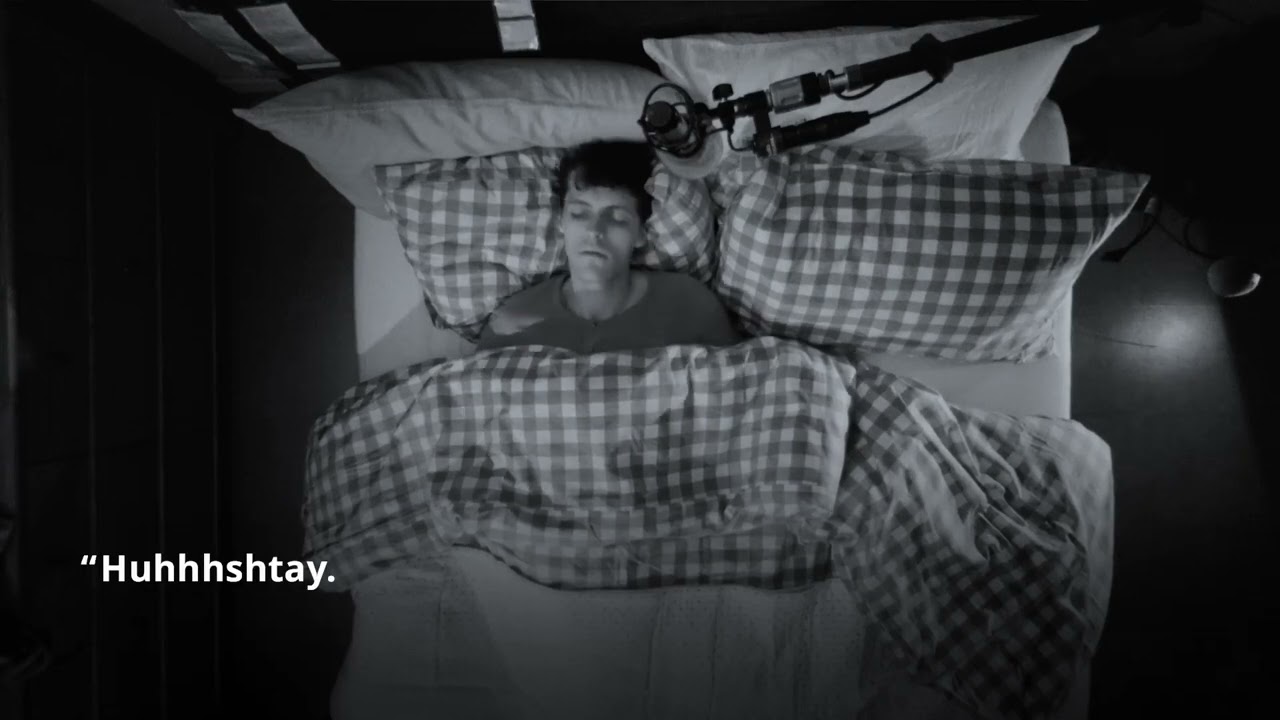
How do I make testimonials feel real instead of scripted?
[PLACEHOLDER] This is where the detailed answer would be. Subscribe to unlock the full creative technique guide with actionable insights and examples. The real content is actually useful and will help you create better campaigns.
What makes a testimonial actually convincing?
[PLACEHOLDER] Another detailed answer that would help you understand and apply this creative technique effectively. The real content includes specific examples and actionable steps.
Example: How it could look
[PLACEHOLDER] This is where a detailed, real-world example would be. The actual content shows how major brands have used this technique to create memorable campaigns. Subscribe to see specific case studies and implementation details.
[PLACEHOLDER] The example includes step-by-step breakdowns that you can adapt for your own campaigns. It's genuinely useful stuff — we promise.
Why is Testimonial a great technique?
[PLACEHOLDER] This technique works because it taps into fundamental principles of human psychology and attention.
[PLACEHOLDER] Creates memorable brand moments
[PLACEHOLDER] Drives engagement naturally
[PLACEHOLDER] Stands out from competitors
[PLACEHOLDER] Generates organic sharing
[PLACEHOLDER] Subscribe to read the actual insights about why this technique is effective.
! When not to use the Testimonial Technique
[PLACEHOLDER] Knowing when NOT to use a technique is just as important as knowing when to use it. Subscribe to learn the specific situations where this approach might backfire.