Create ideas using: Use a famous song

When should I lean on a famous track?

When the feeling of the song perfectly mirrors the feeling your product creates. If you sell escape, pick the anthem of escape. If you sell focus, don't slap a viral earworm over it and call it branding—choose a track that actually earns the emotion you want.

How do I avoid lazy karaoke advertising?

Treat the song like a strategic asset, not wallpaper. Edit to the rhythm, land your key message on the hook, and build your story around the music's emotional arc. If the track could be swapped for anything else and nothing breaks, you don't have an idea—you have background noise.

Example: How it could look

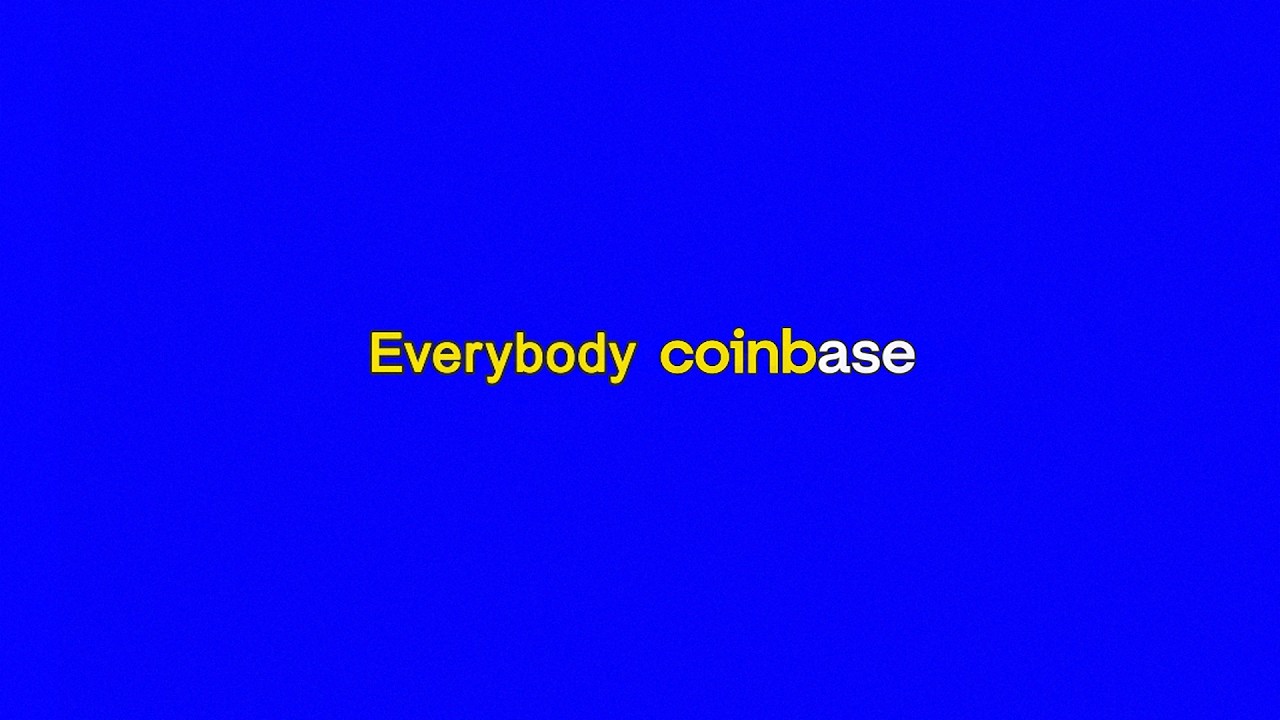
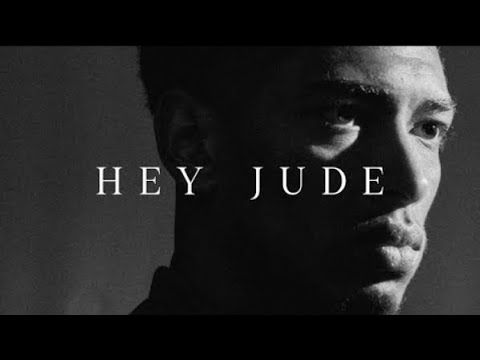
Launch a new noise‑canceling headphone with a globally loved anthem known for its explosive chorus. Start in real‑world chaos—sirens, chatter, traffic—then snap to silence on the downbeat as the chorus hits. The hook becomes oxygen; your product becomes the switch that turns the world off.

Or like this:

Why is Use a famous song a great technique?

Famous songs are shortcuts to collective emotion—one bar and everyone's already halfway persuaded.

Instant emotional recognition

Borrowed cultural credibility

Memorable hooks drive recall

Easy earned‑media potential

When the track and the brand payoff are aligned, you compress a 60‑second argument into a 6‑second feeling. That's not cheating—that's good strategy.

! When not to use the Use a famous song Technique

If the song's story contradicts your promise—or you can't afford it. A famous chorus won't fix a weak idea.

Related Creative Techniques

Creative Technique

Create Role

Give people a new role or identity that fulfills the brand idea. Roles encourage participation and storytelling. Steps: Define the behavior you want to support. Name and design the role (tools, rights, missions). Motivate and ritualize it. Variations: Temporary missions; peer selection; role hierarchy. Tips: Give clear tasks and visible impact. Examples: Community ambassadors; ecological 'rangers'.

Creative Technique

Search Conflicts

Discover internal (values vs. desires) and external (me vs. society) tensions related to the brand world. Conflicts create relevance and empathy; they are a source of strong insights. Steps: Define the idea, values and purpose of the brand. Map beliefs, emotions, needs and behavior of the audience. Reveal internal and external conflicts in different phases (decision-making, selection, use). Transform conflict into a clear brand statement. Variations: Value vs. need; identity vs. expectation; tradition vs. desire. Tips: Focus on negative emotions and barriers; first write the conflict in a sentence, then look for an idea. Examples: Dove 'Real Beauty Sketches'; Under Armour 'I Will What I Want'; Freshness Burger 'Liberation Wrapper'.

Creative Technique

Behind the scenes

A campaign that reveals the behind-the-scenes processes, people or places that create the brand experience. Gives exclusive access to show authenticity, craftsmanship or the human effort behind the brand.

Creative Technique

Connect Generations

A campaign that bridges different age groups, showing how the brand brings together people from different generations. Creates emotional resonance by highlighting shared values, experiences or memories that transcend age differences.

We use cookies on our site to enhance your user experience, provide personalized content, and analyze our traffic. Cookie Policy