Create ideas using: Use the Power of Cute

How do I use cute without being manipulative or saccharine?

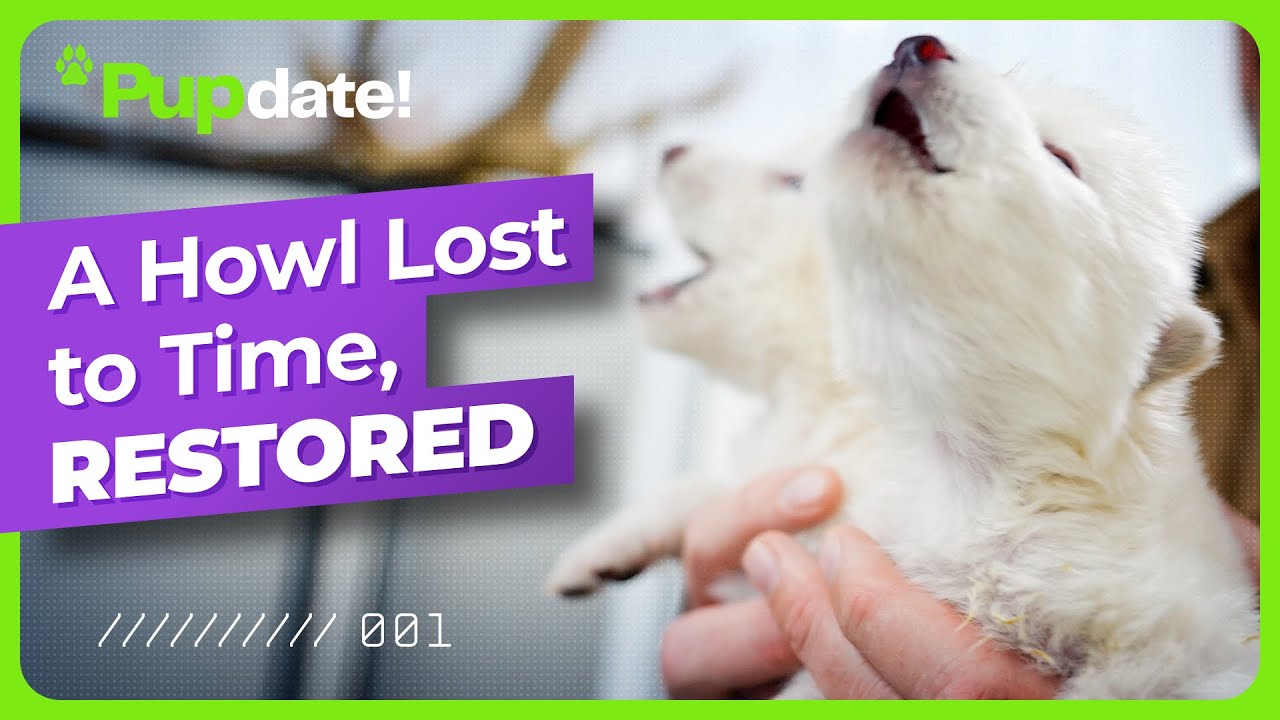
Keep it genuine and relevant. If cute serves your message--softening a hard topic, creating accessibility, building warmth--use it. If you're just adding puppies because puppies get clicks, that's manipulation and people feel it. Cute should enhance your message, not be your message.

Won't using cute make my brand look less serious?

Only if your brand should be serious and cute contradicts that. But cute can coexist with credibility--nonprofits use cute animals to make hard issues approachable, tech companies use cute to seem less intimidating. The question is whether cute helps or hurts your positioning. Know your brand and choose accordingly.

Example: How it could look

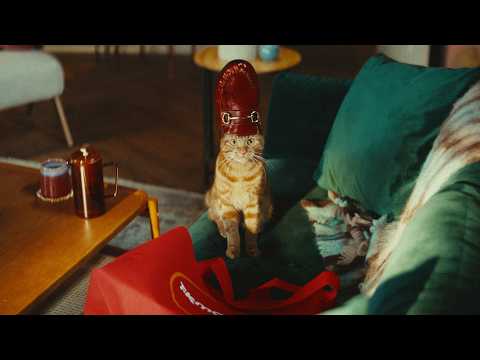
Android uses playful robot mascots and cute animations to make technology feel friendly instead of intimidating. The cuteness isn't the product benefit--it's the emotional wrapper that makes complex technology feel accessible. The cute serves the approachability strategy without undermining the tech credibility.

Or like this:

Why is Use the Power of Cute a great technique?

Cute triggers universal positive emotional responses that create warmth, reduce resistance, and increase sharing.

Creates instant positive emotional association

Highly shareable across demographics

Reduces resistance to messaging

Makes brands feel more human and approachable

Cute works because humans are wired to respond to it--baby schema triggers nurturing instincts and positive feelings. When deployed strategically, cute isn't manipulative, it's using evolutionary psychology to create connection. Just don't overdo it.

! When not to use the Use the Power of Cute Technique

When cute contradicts your brand values or you're using it to manipulate emotions around serious issues without substance behind it.

Technique first described by www.deckofbrilliance.com

Related Creative Techniques

Creative Technique

Replication

Repeat a known format or pattern in a new context where contrast is the point. Known framework + new environment = clarity and shareability. Steps: Choose a proven cultural or media format. Transfer it to an environment where its known form works unexpectedly or contrastingly. Preserve enough of the original shape to be recognizable, but adapt the content to carry the brand idea. Variations: Genre transfer; institutional formats; procedure parodies. Tips: Avoid parody without purpose – the twist must support strategy. Examples: Using award ceremony format for social topic; recipe videos for non-food.

Creative Technique

Create a Product

Transform the brand message into a tangible, new product or service. People remember what they can try; a concrete artifact dramatizes the message and brings PR effect. Steps: Write down customer pains or barriers. Come up with a product/service that solves or highlights them. Ensure it's unique or made in an unusual way. Launch it with trial possibility and media value. Variations: Creation from removed parts; limited editions; adding new service to product. Tips: Transform abstract ideas into physicality; involve partners; plan logistics before communication. Examples: 'The Swedish Number'; Burger King 'McWhopper'.

Creative Technique

Create Urgency

A campaign that uses time pressure, scarcity or limited opportunity to motivate immediate action. Makes people feel they need to act now or miss out on something valuable, creating a sense of urgency around the brand offering.

Creative Technique

Apply Social Pressure

A campaign that leverages social dynamics, peer influence or community expectations to encourage desired behavior. Uses the power of social proof, group norms or collective action to motivate individuals to act in alignment with the brand message.

We use cookies on our site to enhance your user experience, provide personalized content, and analyze our traffic. Cookie Policy