The Digital Paradox: Gen Z's Complex Mobile Life
Smartphone ownership has become nearly universal for Gen Z, serving as the primary gateway for entertainment and social connection.

A Generation Tethered to the Screen
Smartphone ownership has become nearly universal for Gen Z, serving as the primary gateway for entertainment and social connection.
Generation Z has redefined the concept of connectivity, with 99% of this cohort now owning a smartphone. Unlike previous generations, these digital natives do not just use their devices; they live through them. Recent data indicates that Gen Z averages 6 hours and 27 minutes of mobile use daily, though heavy users frequently exceed the 9-hour mark. This constant engagement is driven by a need for entertainment, which occupies 73% of their online time, and a desire for social connection, making up 61% of their digital activity.
The reliance on mobile hardware is nearly absolute, with 75% of Gen Z naming the smartphone as their primary device of choice. This dependency has created a market where tech spending is prioritized, particularly for high-end Apple iOS devices and peripheral gear like wireless earbuds. Despite high ownership rates, the desire for the latest innovation remains strong, as Gen Z continues to splurge on technology even amidst economic fluctuations, viewing their phones as essential extensions of their identity rather than mere tools.
The Addictive Architecture of Social Apps
Algorithmic design and frictionless interfaces have led over half of Gen Z to admit a clinical-level addiction to their devices.
Source: LiveNow Fox 2024 & Harmony Hit
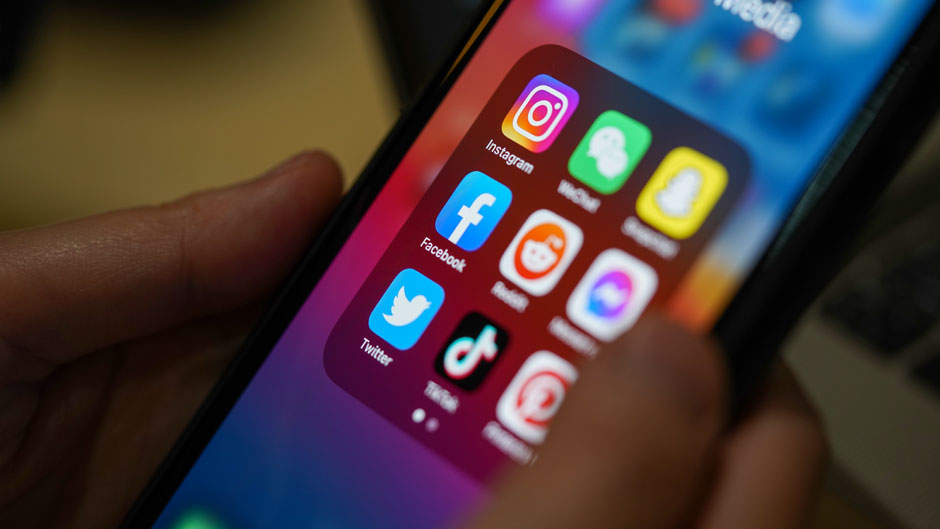
The relationship between young users and their apps is increasingly fraught with tension. Approximately 83% of Gen Z report having an unhealthy relationship with their phones, and 56% explicitly admit to feeling addicted. This is significantly higher than the 29% reported by Boomers, highlighting a generational divide in digital self-control. The primary culprit is social media, cited by 79% of Americans as the most addictive category of software.
Platforms like TikTok, Instagram, and Snapchat are designed to maximize retention through algorithmic precision. TikTok has emerged as the dominant force, with 83% of Gen Z users logging in daily. The platform alone captures 41% of the total time Gen Z spends on social media. This intense engagement is fueled by short-form content and frictionless navigation; notably, 62% of these users will abandon an app immediately if it is slow or difficult to navigate, demanding a seamless 'dopamine loop' that keeps them scrolling for hours.
The High Cost of Constant Connection
Rising rates of digital burnout and cyberbullying have prompted federal calls for cigarette-style warning labels on social platforms.

The mental health implications of an 'always-on' lifestyle have reached a critical tipping point. In 2024, the U.S. Surgeon General declared a mental health emergency, comparing the impact of social media to that of tobacco and calling for warning labels on platforms. The statistics are sobering: 82% of Gen Z report that social media negatively affects their body image, while 48% of teens believe these platforms have a 'mostly negative' effect on their peers—a sharp increase from 32% just two years ago.
Beyond body image, the safety of digital spaces is a growing concern. Approximately 62% of Gen Z women have experienced cyberbullying, leading 33% to feel unsafe sharing their opinions online. This environment of scrutiny and comparison has contributed to a widespread sense of digital burnout. As a result, 72% of young users now believe that the development of less addictive apps would be the single most effective way to improve their collective mental health, signaling a desperate need for a more humane digital architecture.
From Social Feeds to Digital Malls
Gen Z is bypassing Google in favor of TikTok for product discovery, fueling a social commerce market worth hundreds of billions.
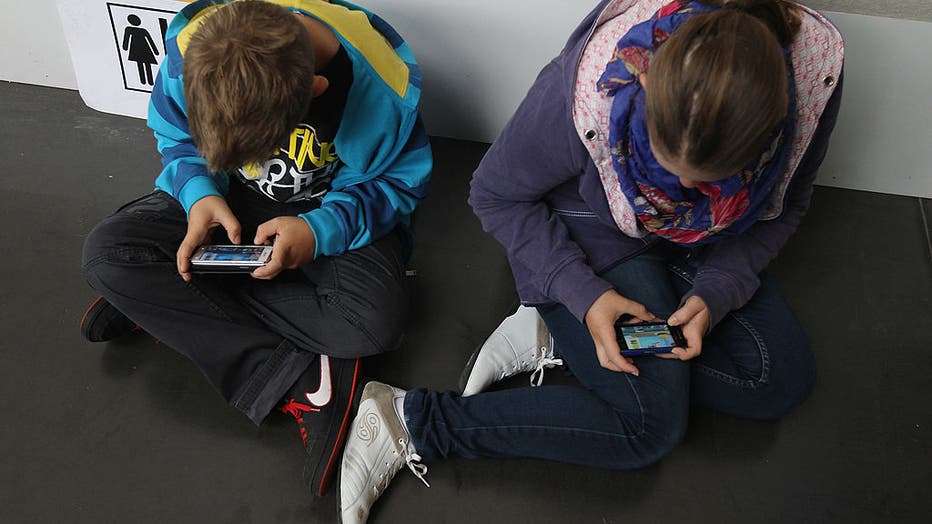
Social media has evolved far beyond its original purpose of communication, transforming into a 'Discovery Engine' and a global marketplace. Gen Z is leading this transition, with 43% of the cohort now starting their product searches on TikTok rather than traditional search engines like Google. The integration of TikTok Shop and Instagram’s in-app checkout has turned passive scrolling into active shopping, making social commerce a central pillar of the digital economy.
This shift is reflected in the market's valuation; the global social networking market is projected to reach $210.66 billion by 2026. While advertising still accounts for 87% of revenue, new monetization models are emerging. Virtual goods and tipping are growing at a 14.89% CAGR, while premium subscriptions, such as YouTube Premium, saw a 19% year-over-year increase. Gen Z’s global spending power, which exceeded $450 billion in 2024, is the primary engine driving these highly personalized, algorithmically-driven storefronts.
The Great Unplugging: Analog 2026
A significant counter-culture is emerging as young adults trade smartphones for 'brick phones' to combat notification burnout.
In a surprising counter-trend, a growing segment of Gen Z is seeking refuge in 'dumb phones' and analog technology. This movement, often called 'Analog 2026,' is driven by a desire to escape notification fatigue and reclaim control over personal time. In 2024, sales of 'brick phones' spiked by an incredible 148% among 18–24-year-olds. Currently, 16% of Gen Z adults own a feature phone, and 59% express interest in switching to one to limit their screen time.
This nostalgia-driven shift extends to accessories, with a resurgence in wired headphones as a status symbol of being 'unplugged.' This is not merely a aesthetic choice but a psychological one; users are adopting a 'dopamine diet' to reset their reward systems. Brands like Punkt and Light Phone are emerging as the primary beneficiaries of this digital detox trend. By choosing devices that only offer calling and texting, Gen Z is attempting to break the cycle of the 'always online' pressure that has defined their lives since childhood.
Source: Statista & The Guardian
Authenticity Over Everything
Gen Z consumers demand radical authenticity, frequently abandoning brands that feel insincere or contribute to digital fatigue.
When it comes to brand engagement, Gen Z has a low tolerance for traditional advertising. 80% of this group discovers new products via social media, yet 27% feel that brands consistently fail to connect with them in a genuine way. They value 'Authenticity over Advertising,' preferring content that feels raw, unedited, and relatable. This psychographic profile makes them 23% more likely than older generations to switch brands simply due to 'brand fatigue' or a perceived lack of sincerity.
To win over this audience, companies are increasingly turning to AI to personalize the shopping experience, a move supported by 59% of Gen Z adults who believe AI will improve online retail. However, the core challenge remains the tension between highly targeted algorithms and the user's desire for a human touch. Brands that successfully navigate this landscape are those that foster 'Safe Spaces' and prioritize community over conversion, addressing the 33% of users who feel vulnerable in typical online environments.