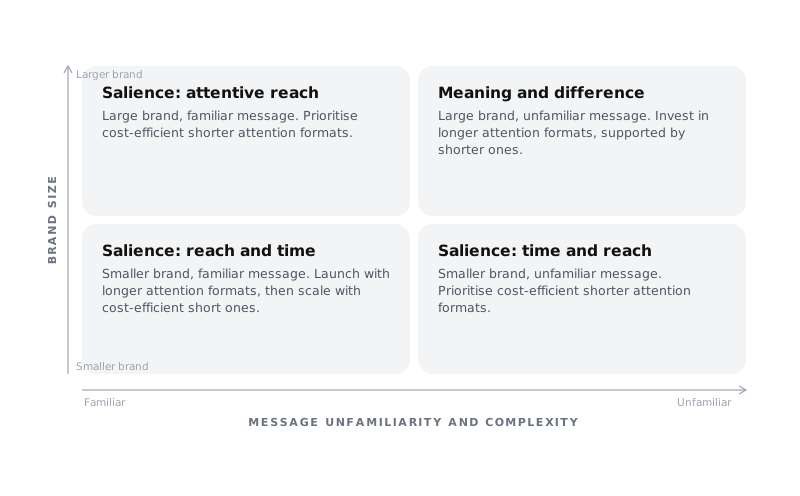
Brand size and message complexity decide whether you buy attentive reach or attentive time
PrinciplePaid Media
dentsu's attention quadrant maps brand size against message familiarity and complexity. Salience tasks with a familiar message favour cost-efficient shorter attention formats. Meaning and difference with an unfamiliar, complex message need investment in longer attention formats supported by shorter ones. A smaller brand with a familiar message launches with longer attention formats and scales with cheaper short ones.
Source
The Brand Reset: Capturing Sales and Brand Equity from Attention - dentsu, in partnership with Kantar and Lumen (2026)
dentsu with Kantar, Lumen and TVision; methodology and analysis Dan White, advisor Les Binet; foreword Will Swayne
p23, The Brand Reset, dentsu with Kantar and Lumen, April 2026
Go to the originalMore from this source
StatA single video exposure is projected to still be producing sales three years laterStatThe same exposure that builds the brand also moves sales in the next three monthsStatDigital video builds brands over years, and Linear TV still builds them harderPrincipleShort-form formats win on cost per point of long-term lift, not on the size of the liftStatConnected TV now delivers roughly three quarters of Linear TV's long-term brand effectWarningCTV closing the gap is not the same as Linear TV losing its jobStatHalf of marketing leaders cannot tell whether CTV works as well as Linear TVStatTwo in five CMOs cannot measure the efficiency of next-gen video at allPrincipleSkippable ads start weaker than non-skippable ones and then overtake themPrincipleAttention someone chose to give is worth more than attention you made them givePrinciplePlan video by skippable versus non-skippable, not by screen size or channelStatAttention stops paying its way after about twenty seconds