The performance plateau is Binet & Field translated for brands that only ever bought performance
PrincipleBrand Strategy
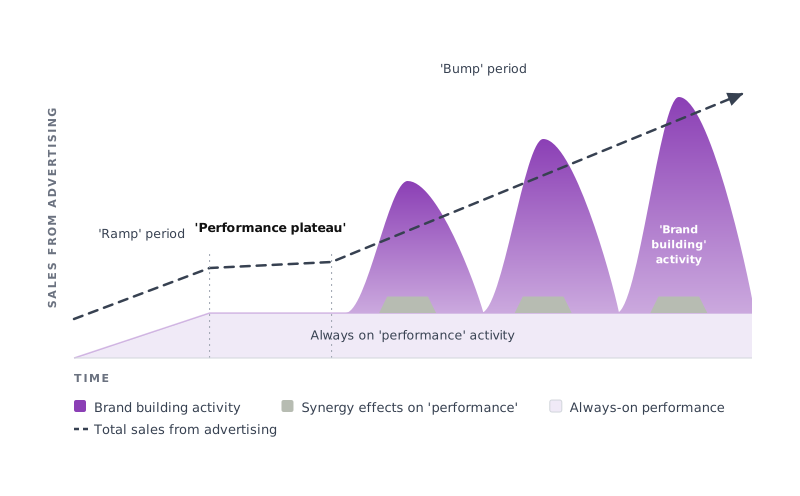
The performance plateau chart was not new theory. Tom Roach and Dr Grace Kite built it to re-express Binet & Field's long-and-short zigzag in a shape that would land with digital-first brands who had grown through performance marketing and were sceptical of brand investment.
Source
The WARC Podcast - Four marketing frameworks you need to know (2026)
Tom Roach (VP, Jellyfish / Brandtech Group), interviewed by David Tiltman (WARC)
00:03:34-00:07:35, Tom Roach on The WARC Podcast, April 2026
Go to the originalMore from this source
PrincipleLong and short have to be drawn as one system, or the chart itself invites a choicePrincipleFor a digital-first brand, performance spend is a floor, not a variableCaseThe most useful part of the performance plateau was identified by its readers, not its authorsWarningThe flat part of the growth curve is the most dangerous moment in a scale-up's lifeWarningThe brand-performance balance has shifted far less than the brand bubble believesWarningTeams named after funnel stages are structurally incentivised to stop the system workingPrincipleThe funnel survived because it made ad inventory easy to sell, not because it was ever accurateWarningThe funnel's real problem is the assumption that you can push people through stages in orderPrincipleBuild, Nudge and Connect - the funnel rewritten around how memory works rather than how inventory sellsPrincipleAwareness is not wrong, it is just far too thin a description of the top of the funnelPrinciplePerformance advertising mostly directs people to brands they have already chosenPrincipleCategory entry points are what replaces the message on a creative brief