Altoids: Altoidia, Land of Sour, People of Pain.
Altoids wanted to reinforce its unique, intensely sour flavor profile for a younger audience. The challenge was to creatively communicate the powerful, almost painful taste experience in a memorable, humorous way that stood out. Leo Burnett was tasked with developing a campaign that transformed this distinctive sensation into an entertaining, iconic world, driving brand preference and engagement through highly imaginative advertising.
Creative Idea
Altoids animated a bizarre world, Altoidia, to personify its mints' intense sourness.
Altoids created a fantastical "Altoidia" world that personifies the intense, sour sensation of their mints through bizarre animated characters and landscapes. The campaign uses humor and surreal imagery to highlight the brand's signature strong mint flavor by transforming the taste experience into an exaggerated, playful fantasy realm where "pain" and "sourness" become entertaining character traits.
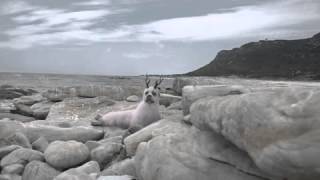
The Anthropologist Who Survived the Fruit Bat
From Mockumentary to Retail Dominance
The campaign’s surrealist humor translated into immediate commercial power. Within just four weeks of launch, the companion site altoidia.com attracted over 500,000 unique visitors. The retail impact was even more staggering - Altoids Sours surged to become Target’s #3 front-end SKU. Demand was so intense that the product sold out in multiple regions, forcing Leo Burnett to temporarily pause media placements while supply chains caught up. This success solidified Altoids' position as the #1 selling mint in North America during the mid-2000s.
Directing the People of Pain
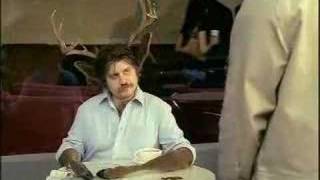
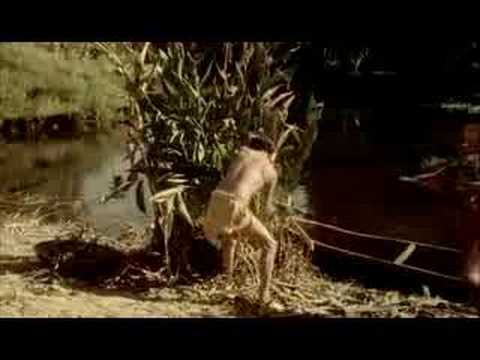 Director Craig Gillespie, who later helmed *I, Tonya* and *Cruella*, collaborated with production powerhouse MJZ to create the campaign’s distinct "odd reality-based" aesthetic. Gillespie aimed for a bumbling, authentic academic tone for the lead character, Sir Gerald Pines, a fictional British anthropologist. To achieve the high-concept visuals, such as the giant "Chew-Chew" bat in the "Fable of the Fruit Bat" spot, the team utilized Sydney-based VFX house Animal Logic. The goal was to lean into the "anti-advertising" trend of the era, favoring bizarre storytelling over traditional sales pitches to capture a media-savvy youth audience.
Rituals and Cultural Friction
The narrative centered on the "Altoidians," a tribe immune to physical agony due to their constant exposure to intense sourness. This premise allowed for "Jackass-style" physical comedy, including the crutch-crushing ritual and the stiff upper lip Pines maintains while being hurled against a truck. While the campaign was a massive hit, it later drew retrospective criticism for its parody of National Geographic-style colonial tropes, highlighting the shift in cultural sensitivities since the mid-2000s.
Creative Strategy Deconstructed
Company
Altoids possessed a 'curiously strong' brand equity, known for its punchy, unapologetic intensity and iconic tin packaging. This allowed them to lean into the 'pain' of the sour experience as a badge of honor rather than a negative.
Category
Confectionery ads usually focused on sweetness, joy, and bright, realistic imagery. Most sour candy brands targeted children with cartoonish antics, neglecting the adult market's desire for sophisticated yet weird humor.
Customer
Adults seeking a sensory escape or a 'jolt' during their day wanted more than just sugar; they craved a challenge and a conversation piece. They appreciated irreverent, 'adult swim' style humor that didn't talk down to them.
Culture
The early 2000s saw a rise in surrealist, lo-fi animation and 'weird-core' aesthetics in media. There was a growing cultural appetite for bizarre, non-sequitur comedy that broke away from traditional polished advertising.
Company
Altoids possessed a 'curiously strong' brand equity, known for its punchy, unapologetic intensity and iconic tin packaging. This allowed them to lean into the 'pain' of the sour experience as a badge of honor rather than a negative.
Category
Confectionery ads usually focused on sweetness, joy, and bright, realistic imagery. Most sour candy brands targeted children with cartoonish antics, neglecting the adult market's desire for sophisticated yet weird humor.
Strategy:
Transform the physical discomfort of intense sourness into a bizarre, badge-of-honor fantasy world for flavor-seeking adults.
Customer
Adults seeking a sensory escape or a 'jolt' during their day wanted more than just sugar; they craved a challenge and a conversation piece. They appreciated irreverent, 'adult swim' style humor that didn't talk down to them.
Culture
The early 2000s saw a rise in surrealist, lo-fi animation and 'weird-core' aesthetics in media. There was a growing cultural appetite for bizarre, non-sequitur comedy that broke away from traditional polished advertising.
Strategy:
Transform the physical discomfort of intense sourness into a bizarre, badge-of-honor fantasy world for flavor-seeking adults.
Strategy Technique
Create a Parallel World
Altoids built 'Altoidia,' a fictional universe where the brand's intense sourness became a hilarious and undeniable truth. This parallel reality transformed the taste experience into an iconic, memorable realm.
Explore Technique
Creative Technique
Create Fantasy Worlds, People and Things
The campaign crafted 'Altoidia,' a ludicrous alternate reality where sourness and pain were personified. This populated world made the brand's intense flavor a baseline truth for entertainment.
Explore Technique
Craft Breakdown
This campaign's craft is exceptional in its commitment to a fully realized, humorous mockumentary style, elevated by strong acting, detailed production design, and clever copywriting.
The set design, costuming, props (like the 'sour fruit' and ritual device), and overall environmental details perfectly sell the illusion of an untouched, unique tribal culture.
The voiceover script is expertly crafted to sound authentic to documentary narration, using precise, evocative language that sets up the humorous premise effectively.
The actors, particularly Sir Gerald Pines and the tribesmen, deliver convincing performances, from the stoic reactions to pain to Sir Gerald's exaggerated agony.
The camera work and color grading effectively emulate the aesthetic of classic ethnographic films, adding to the period and genre authenticity.
“The true brilliance comes from the seamless synergy between the art direction, production design, and acting, which together create a highly believable and entertaining mockumentary world that effectively delivers the product message.”