Art Institute Chicago & AirBnB: Van Gogh's Bedroom
The Art Institute Chicago and AirBnB wanted an innovative campaign to make art accessible and experiential for new audiences. The challenge was to bridge the gap between museum exhibits and personal interaction, generating significant buzz and cultural relevance. They sought a unique, shareable experience that would drive engagement and bookings, attracting younger art enthusiasts and travelers to both brands. Leo Burnett Chicago was the agency.
Creative Idea
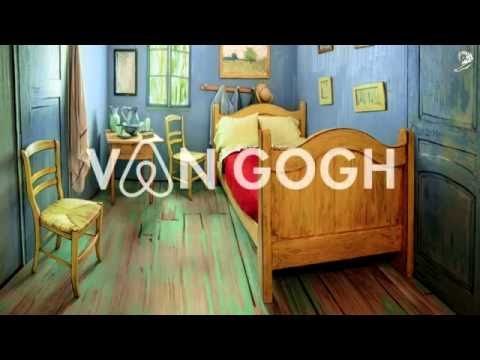
They turned Van Gogh's Bedroom painting into a real, bookable Airbnb room.
AirBnB and the Art Institute of Chicago created a unique campaign where they recreated Van Gogh's famous "Bedroom" painting as an actual Airbnb rental, allowing fans to literally stay inside the iconic artwork. The campaign aimed to make art more accessible and experiential by transforming a museum exhibit into a livable space that people could book and experience, bridging the gap between art appreciation and personal interaction.
Ten Dollars for a Night in a Masterpiece
The Science of Faded Violet
While the painting today appears to have blue walls, the production team at Ravenswood Studio utilized chemical analysis of the original canvas to discover the red pigment had faded over 130 years. To ensure historical accuracy, the physical room was painted pale violet. The space utilized forced perspective and hand-painted textures to mimic Van Gogh’s post-impressionist brushstrokes, creating the illusion of a 2D painting within a 3D environment. Despite its 19th-century aesthetic, the room - located on the 29th floor of a Chicago high-rise - featured modern amenities like WiFi and a pool.
A Five Minute Sell Out
 The campaign’s digital strategy was as precise as its construction. When reservations opened on February 9, 2016, the first block of dates sold out in just five minutes. This surge translated into the museum’s highest attendance in 15 years, with 433,623 visitors. The activation generated $2 million in additional revenue and a 250% spike in online ticket sales. Beyond immediate gains, the museum secured $1.6 million in long-term revenue through new memberships.
Intimacy at Scale
Airbnb CEO Brian Chesky noted that the project succeeded because "people want to have an intimate connection with brands." By listing the room under the persona of Vincent - who claimed he was charging $10 only because he "needed to buy paint" - the team humanized the artist. This shift from "look but don't touch" to immersive participation earned an estimated $8.6 million in media value, proving that a single, highly shareable physical activation could drive global impact without a massive paid media budget.
Creative Strategy Deconstructed
Company
The Art Institute of Chicago held the curatorial authority and the masterpiece, while AirBnB provided the platform for unique, 'belong anywhere' travel experiences. Together, they could realistically translate a 2D painting into a 3D physical reality.
Category
Museums are traditionally 'look but don't touch' institutions that maintain a sterile distance between the viewer and the art. The hospitality category focuses on amenities rather than intellectual or artistic narrative.
Customer
Art enthusiasts and travelers are increasingly bored by passive observation; they crave a visceral, personal connection to history that allows them to inhabit the world of their heroes.
Culture
The rise of the 'experience economy' and immersive theater shifted public expectations from simply seeing art to participating in it, fueled by a desire for unique, shareable life moments.
Company
The Art Institute of Chicago held the curatorial authority and the masterpiece, while AirBnB provided the platform for unique, 'belong anywhere' travel experiences. Together, they could realistically translate a 2D painting into a 3D physical reality.
Category
Museums are traditionally 'look but don't touch' institutions that maintain a sterile distance between the viewer and the art. The hospitality category focuses on amenities rather than intellectual or artistic narrative.
Strategy:
Transform passive art observation into an immersive, livable experience to bridge the gap between historical masterpiece and modern life.
Customer
Art enthusiasts and travelers are increasingly bored by passive observation; they crave a visceral, personal connection to history that allows them to inhabit the world of their heroes.
Culture
The rise of the 'experience economy' and immersive theater shifted public expectations from simply seeing art to participating in it, fueled by a desire for unique, shareable life moments.
Strategy:
Transform passive art observation into an immersive, livable experience to bridge the gap between historical masterpiece and modern life.
Results
The first block of nights for "Van Gogh's Bedroom" on Airbnb sold out in 5 minutes. The campaign generated substantial earned media, with a $31K investment yielding $6M in earned media. Paid media was amplified by 950%. The campaign led to over 200,000 visitors to the Art Institute of Chicago's Van Gogh exhibit, making it the highest-attended exhibit in 15 years.
$6M
Earned Media
5 minutes
First block of nights sold out
200,000+
Visitors to exhibit
Strategy Technique
Solve the Tension, Not the Category
The campaign directly solved the tension between passive museum viewing and desired personal art interaction. It transformed art appreciation into an intimate, livable experience, bridging the accessibility gap.
Explore Technique
Creative Technique
Turn Message into Product
The campaign transformed the message of "experiential art" into a literal, bookable product. Guests could physically stay inside a recreated iconic painting, making art interaction tangible.
Explore Technique
Craft Breakdown
This campaign's craft is exceptional due to its audacious conceptual production design and the meticulous execution of bringing a classic 2D painting into a fully immersive, inhabitable 3D space, strategically amplified through digital platforms.
The meticulous construction and furnishing of the room, faithfully replicating every detail from Van Gogh's painting, was a masterclass in physical recreation.
The artistic direction flawlessly translated Van Gogh's distinctive style, color palette, and textural qualities onto 3D objects and surfaces, making the room an authentic extension of his work.
“The campaign's magic stemmed from the seamless integration of a groundbreaking idea with impeccable physical craftsmanship and a smart digital distribution strategy, creating an unprecedented intersection of art, hospitality, and engagement.”