BVG: The Ticket Shoe
BVG faced a severe image problem among young Berliners who viewed the transit system with contempt and frequently evaded fares. Jung von Matt Hamburg was tasked with shifting brand sentiment from "hated utility" to "respected icon." The goal was to reach a cynical youth audience and encourage them to value public transport by aligning the brand with Berlin's authentic underground culture.
Creative Idea
Turned a limited-edition sneaker into a valid annual transit pass using iconic seat patterns.
BVG transformed a limited-edition Adidas sneaker into a functional annual transit pass, using Berlin's iconic seat pattern to turn a hated public utility into a coveted streetwear icon by leveraging the cultural capital of underground sneaker culture.
The Sneaker That Doubled as a Subway Pass
10 Billion Impressions in the Snow
The campaign achieved a staggering 10.6 billion media impressions worldwide, reaching 8 out of 10 Berliners on Facebook. While the shoes retailed for €180, they represented a massive bargain as a standard annual BVG pass cost €728 at the time. This 75% discount triggered a frenzy, leading fans to camp outside the Overkill sneaker shop for four days in sub-zero temperatures. Within minutes of launch, all 500 pairs sold out, eventually hitting resale prices of €3,500 on eBay - a 1,200% increase in value.
The Flecktarn Pattern and Legal Loopholes
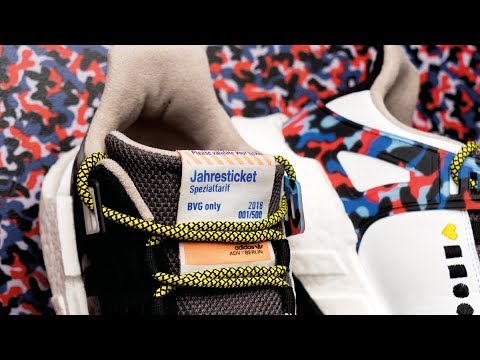 The design utilized the EQT Support 93/17 silhouette, featuring the "Flecktarn" camouflage pattern found on BVG subway seats - a pattern originally designed to hide graffiti and stains. To ensure the "utility" aspect was legitimate, a fabric version of the annual pass was sewn directly into the tongue. However, a strict legal rule applied: to be valid for travel, the wearer had to be wearing both shoes. Carrying them in a box or showing a single shoe was legally considered fare evasion.
Sneaker Speed Production
The project moved at what the agency called "sneaker speed." The initial meeting between Jung von Matt, Adidas, and BVG occurred in October 2017, leaving only three months for design, production, and the January 2018 launch. Till Jagla of Adidas and Petra Reetz of BVG spearheaded the collaboration, successfully pivoting the brand from a "hated utility" to a cult icon. Notably, the ticket was valid for all BVG transport - including ferries and trams - but excluded the S-Bahn, which is operated by Deutsche Bahn.
Creative Strategy Deconstructed
Company
BVG possessed an iconic, albeit mocked, visual identity and a monopoly on Berlin's essential urban infrastructure.
Category
Public transport marketing typically relies on dry service announcements or generic appeals to environmental responsibility.
Customer
Young Berliners viewed the transit authority as an uncool, anti-establishment enemy and frequently avoided paying for tickets.
Culture
The global obsession with limited-edition streetwear drops and hypebeast culture makes exclusive collaborations the ultimate currency of cool.
Company
BVG possessed an iconic, albeit mocked, visual identity and a monopoly on Berlin's essential urban infrastructure.
Category
Public transport marketing typically relies on dry service announcements or generic appeals to environmental responsibility.
Strategy:
Leverage high-status subcultural symbols to reframe a mandatory public utility as an exclusive lifestyle badge.
Customer
Young Berliners viewed the transit authority as an uncool, anti-establishment enemy and frequently avoided paying for tickets.
Culture
The global obsession with limited-edition streetwear drops and hypebeast culture makes exclusive collaborations the ultimate currency of cool.
Strategy:
Leverage high-status subcultural symbols to reframe a mandatory public utility as an exclusive lifestyle badge.
Results
The campaign achieved 10.6 billion media impressions globally. All 500 pairs of the limited-edition sneakers sold out within 3 hours. On eBay, the shoes resold for up to 3,500 Euros, which is 2000% above the original retail price of 180 Euros. The campaign was reported by major outlets including The Guardian, Vice, BBC, NPR, and The New York Times.
10.6B
media impressions
2000%
resale price increase
3 hours
time to sell out
Strategy Technique
Build an Utility, Not an Ad
Instead of just advertising transit, BVG created a tangible product that provided massive financial value and social status, effectively turning a mandatory expense into a desirable lifestyle accessory for the youth.
Explore Technique
Creative Technique
Unexpected Utility
By embedding a valid annual transit pass directly into the shoe's tongue, the campaign transformed a fashion item into a high-value functional tool, solving the friction of ticket purchasing while building massive brand hype.
Explore Technique
Craft Breakdown
This campaign's brilliance lies in its physical product design and strategic media planning, turning a mundane utility into a high-status cultural artifact.
The seamless integration of a functional transit pass into the aesthetic of a cult sneaker is a masterclass in product design.
Strategically launching during Berlin Fashion Week and leveraging scarcity created a global PR firestorm worth billions in earned media.
The use of the iconic seat pattern creates an immediate, nostalgic connection to the city's identity.
The narrative of 'Hate to Respect' perfectly frames the brand's challenge and its creative solution.
“The synergy between the physical product design and the cultural timing of the launch transformed a transport authority into a streetwear icon.”