Toyota: LandCruiser Emergency Network
Toyota Australia challenged Saatchi & Saatchi Sydney to reinforce the LandCruiser's status as the essential vehicle for the Outback. They needed to move beyond traditional advertising to prove the brand's toughness and commitment to rural communities, specifically targeting farmers and remote workers who face life-threatening isolation due to the massive lack of mobile reception across the continent.
Creative Idea
Turned a fleet of vehicles into a mobile mesh network for emergency communications.
Toyota turned its fleet of LandCruisers into a roving emergency communications network by equipping them with mesh-networking technology, leveraging the vehicle's massive Outback presence to provide a life-saving signal in areas where mobile coverage is non-existent.
The Interplanetary Internet of the Australian Outback
NASA Tech in the Flinders Ranges
The project utilized Delay Tolerant Networking (DTN), a sophisticated "store - and - forward" protocol originally developed for NASA’s Interplanetary Internet to manage signal delays in deep space. Because the Flinders Ranges terrain is so harsh it is used by the Mars Society to test rovers, the tech was a perfect fit. Each LandCruiser was fitted with a small, yellow, cylindrical "plug - and - play" capsule. This device, which drew design inspiration from Ancient Roman relay batons, turned every vehicle into a mobile hotspot with a 25km radius. If a driver received an emergency signal while out of range, the device stored the data and automatically handed it off to the next LandCruiser it passed until the message reached a base station.
From Hong Kong Protests to the Bush
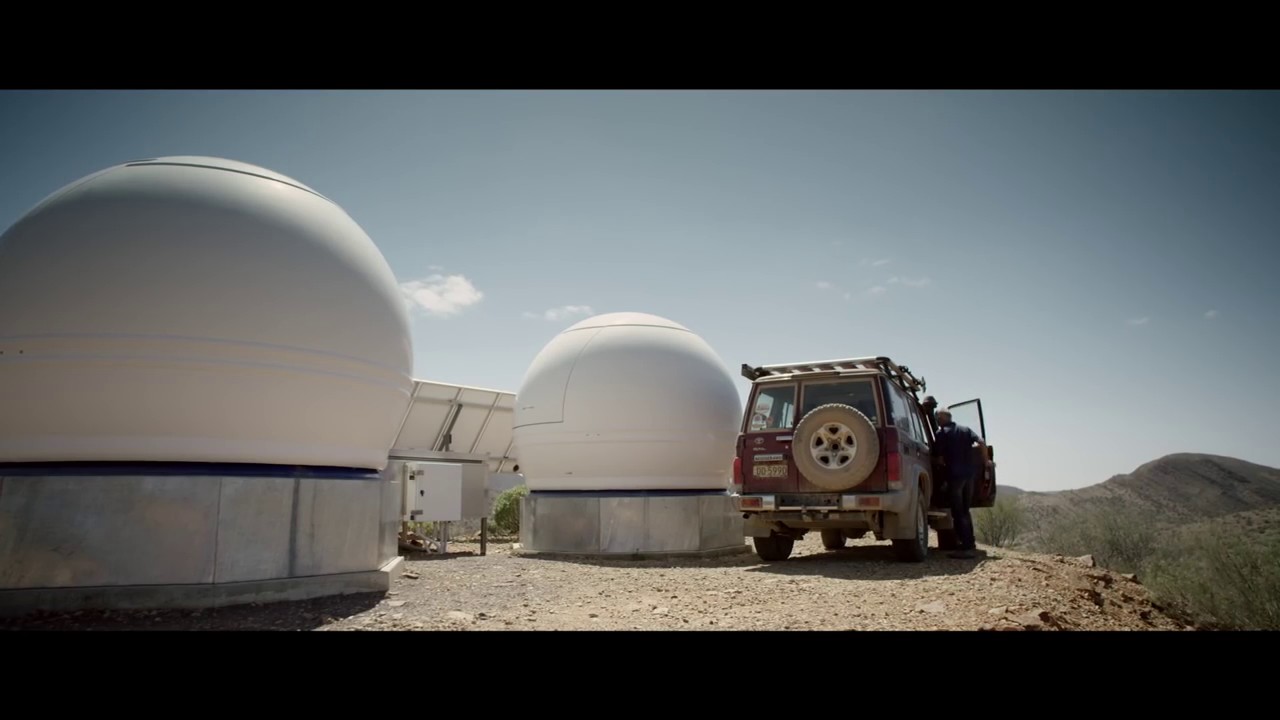 The creative spark for the network came from an unlikely source: the 2014 Hong Kong protests. Lead creative James Theophane noticed how activists used mesh - networking apps like FireChat to communicate after government shutdowns of cell towers. By applying this logic to the Outback, where 65% of Australia’s landmass lacks signal, the team leveraged Toyota’s 90% market share in remote regions to create a "roving" infrastructure.
A Utility as Brand Strategy
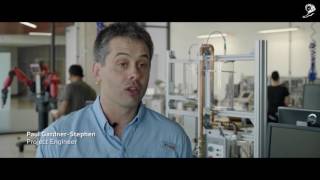
The pilot successfully covered 50,000 square kilometers, proving that a brand could provide a functional humanitarian service rather than just a traditional advertisement. Project engineer Dr. Paul Gardner - Stephen noted that such technologies often become the "difference between life and death." For Toyota, the initiative provided a genuine Unique Selling Proposition by tapping into the "bush ethos" of looking after your own, effectively turning a mechanical tool into a community lifeline.
Creative Strategy Deconstructed
Company
Toyota's 90% market share in the Outback provided a ready-made, mobile infrastructure of legendary, go-anywhere vehicles.
Category
Automotive brands typically focus on performance specs and rugged imagery to sell the dream of off-road adventure.
Customer
People living and working in remote Australia felt vulnerable and isolated due to the lack of emergency communication.
Culture
The cultural ethos of looking after your own in the bush made a community-driven mesh network feel authentic.
Company
Toyota's 90% market share in the Outback provided a ready-made, mobile infrastructure of legendary, go-anywhere vehicles.
Category
Automotive brands typically focus on performance specs and rugged imagery to sell the dream of off-road adventure.
Strategy:
Transform existing physical market dominance into a functional utility that solves a critical safety infrastructure gap.
Customer
People living and working in remote Australia felt vulnerable and isolated due to the lack of emergency communication.
Culture
The cultural ethos of looking after your own in the bush made a community-driven mesh network feel authentic.
Strategy:
Transform existing physical market dominance into a functional utility that solves a critical safety infrastructure gap.
Results
The LandCruiser Emergency Network began as a pilot in August 2015 covering 50,000km² of the remote Flinders Ranges. The campaign successfully demonstrated a functional mesh network using existing vehicle infrastructure. While specific sales lift numbers aren't cited, the video highlights a market share of over 90% in certain remote areas, providing the necessary density for the network to function. The project was a collaboration between Toyota, Saatchi & Saatchi, and Flinders University, aiming for a continent-wide and eventually global rollout.
50,000km²
pilot area covered
90%+
market share in remote areas
25km
hotspot radius per vehicle
Strategy Technique
Build an Utility, Not an Ad
Instead of just claiming the LandCruiser is reliable, Toyota built a functional technology that solves a real-world safety crisis, proving the brand's commitment to the Outback through action.
Explore Technique
Creative Technique
Unexpected Utility
It transforms the vehicle from a simple transport tool into a vital piece of infrastructure, providing a life-saving service that users never expected from an automotive brand.
Explore Technique
Craft Breakdown
This campaign excels by turning a physical product (the car) into a digital infrastructure, blending hardware engineering with telecommunications to solve a humanitarian crisis.
The development of a store-and-forward mesh network specifically for moving vehicles in signal-dead zones is a remarkable technical feat.
The sweeping aerials and intimate close-ups of the Outback effectively communicate the scale and harshness of the problem.
“The synergy between the engineering of the device and the strategic use of Toyota's existing market footprint creates a solution that feels both inevitable and brilliant.”