Jaguar: Actual Reality
Jaguar New Zealand needed to rejuvenate its image among a younger, tech-savvy audience at the Big Boys Toys expo. Y&R Auckland was tasked with showcasing the F-Type's performance in a way that stood out from the sea of virtual reality exhibits used by competitors, aiming to prove that Jaguar offered a more thrilling, authentic experience than any digital alternative.
Creative Idea
Disguised a high-speed track run as a VR simulation to prove reality beats digital.
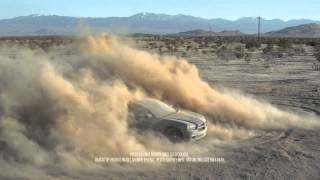
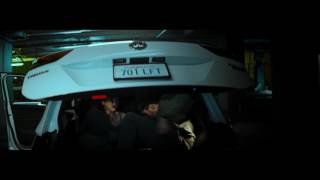
Jaguar subverted the virtual reality trend by inviting fans to test a 'state-of-the-art simulator' that was actually a real F-Type on a racetrack, proving that no digital experience can replicate the visceral thrill of actual performance.
The High Speed Prank That Tricked the Tech Obsessed
Subverting the VR Hype Cycle
In 2015, the advertising industry was saturated with low - quality Virtual Reality activations. Jaguar and Y&R NZ capitalized on this "VR fatigue" by positioning the F-Type as the ultimate "anti - trend" experience. To pull off the deception at the Big Boys Toys expo, the production team had to meticulously soundproof the staging area. They utilized noise - canceling headphones and a fake "loading" screen to mask the roar of the engine until the car was already in motion. The goal was to shift Jaguar’s perception away from being a brand for "rich, white, old men" toward a younger, thrill - seeking demographic.
Reaching a Quarter of the Nation
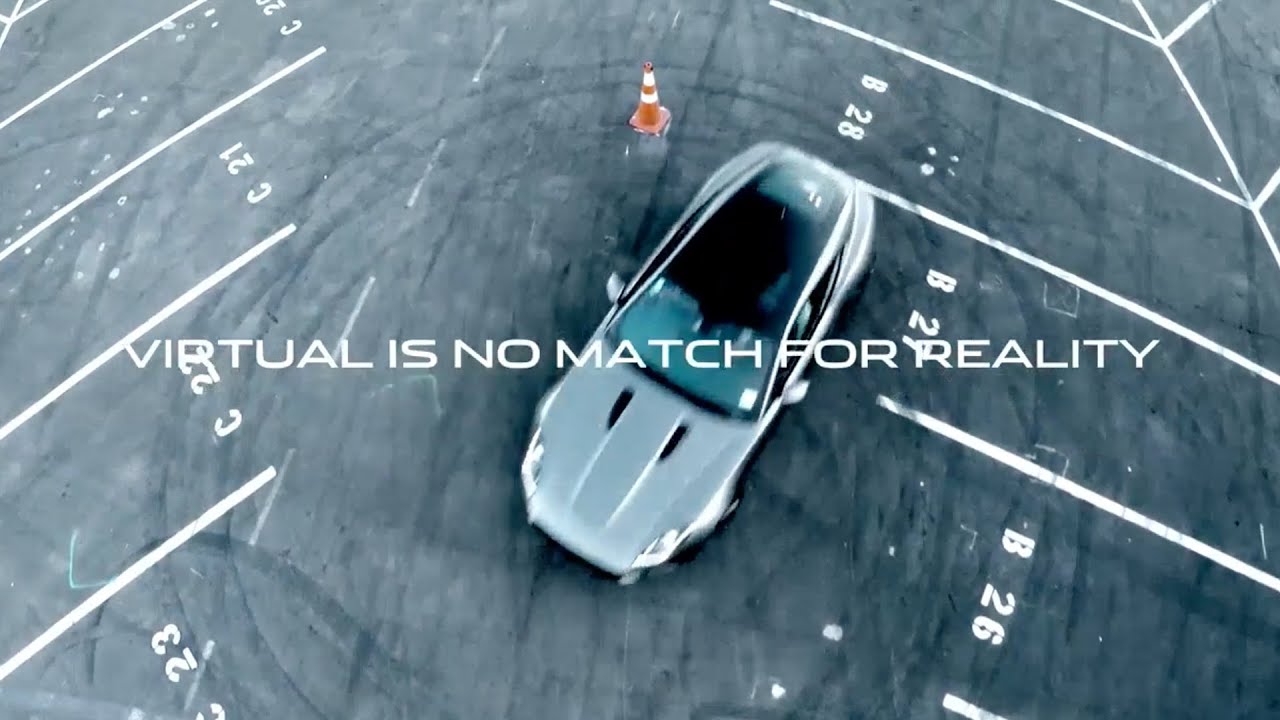 The campaign's impact was immediate and localized, reaching over 1 million New Zealanders - nearly 25% of the country's total population at the time. The launch film generated 150,000 Facebook views within days, fueled by the genuine, shocked reaction of a participant named Glenn, whose mid - drift reveal became the campaign's viral hook. This stunt was a key pillar in a brand refresh strategy designed to double Jaguar's annual sales in the New Zealand market from its 2014 baseline of 120 units.
From Auckland to Global Earned Media
Beyond the local market, the "Actual Reality" concept gained such cultural traction that it was later recreated by a Japanese TV station, providing Jaguar with massive international earned media. Led by CCO Josh Moore and Creative Director Tom Paine, the project ran alongside the agency’s famous "McWhopper" campaign, cementing Y&R NZ as a global creative powerhouse that year. Marketing Manager James McKee noted the strategy was specifically designed to force consumers to "reconsider the Jaguar brand" through surprise and physical adrenaline.
Creative Strategy Deconstructed
Company
Jaguar possessed a high-performance sports car capable of delivering extreme physical sensations that digital screens simply cannot replicate.
Category
Automotive brands were increasingly using low-quality VR to simulate driving, inadvertently distancing customers from the actual physical product.
Customer
Car enthusiasts craved authentic, visceral thrills but were being bombarded with sanitized, artificial digital experiences at trade shows.
Culture
The 2015 VR hype cycle led to brand fatigue, creating an opening for a 'real-world' counter-narrative.
Company
Jaguar possessed a high-performance sports car capable of delivering extreme physical sensations that digital screens simply cannot replicate.
Category
Automotive brands were increasingly using low-quality VR to simulate driving, inadvertently distancing customers from the actual physical product.
Strategy:
Position visceral physical experience as the ultimate luxury to counter the saturation of artificial digital simulations.
Customer
Car enthusiasts craved authentic, visceral thrills but were being bombarded with sanitized, artificial digital experiences at trade shows.
Culture
The 2015 VR hype cycle led to brand fatigue, creating an opening for a 'real-world' counter-narrative.
Strategy:
Position visceral physical experience as the ultimate luxury to counter the saturation of artificial digital simulations.
Strategy Technique
Roast the Competition
Jaguar openly mocked the automotive industry's obsession with virtual reality, using sarcasm and a clever prank to prove that their competitors' digital experiences were boring compared to actual driving.
Explore Technique
Creative Technique
Prank
By tricking participants into believing they were in a high-tech simulation, the brand created a dramatic reveal that highlighted the car's physical power through genuine shock and sensory overload.
Explore Technique
Craft Breakdown
The campaign's craft is exceptional due to its clever use of experiential design and the seamless integration of technology to create a truly immersive and surprising brand experience.
The core of the campaign is a brilliantly executed prank that transforms a standard expo activation into a memorable and high-impact brand experience.
The genuine and unscripted reactions of the participants are crucial to the campaign's success, providing authentic proof of the car's performance.
“The synergy between the clever experiential design and the authentic reactions of the participants creates a powerful and persuasive narrative that effectively communicates the brand's message.”