Most automotive advertising follows a depressingly predictable script: a shiny vehicle carves through a deserted mountain pass while a baritone voiceover whispers about "reimagining the journey." It is wallpaper. The campaigns in this collection, however, understand a fundamental truth that most CMOs ignore: nobody actually cares about your leather stitching or your drag coefficient. We care about how the machine makes us feel, how it protects our delusions, or how it solves a problem we didn't know we had. These ads succeed because they stop selling transportation and start selling a point of view, often by admitting the very things a traditional car salesman would try to hide.
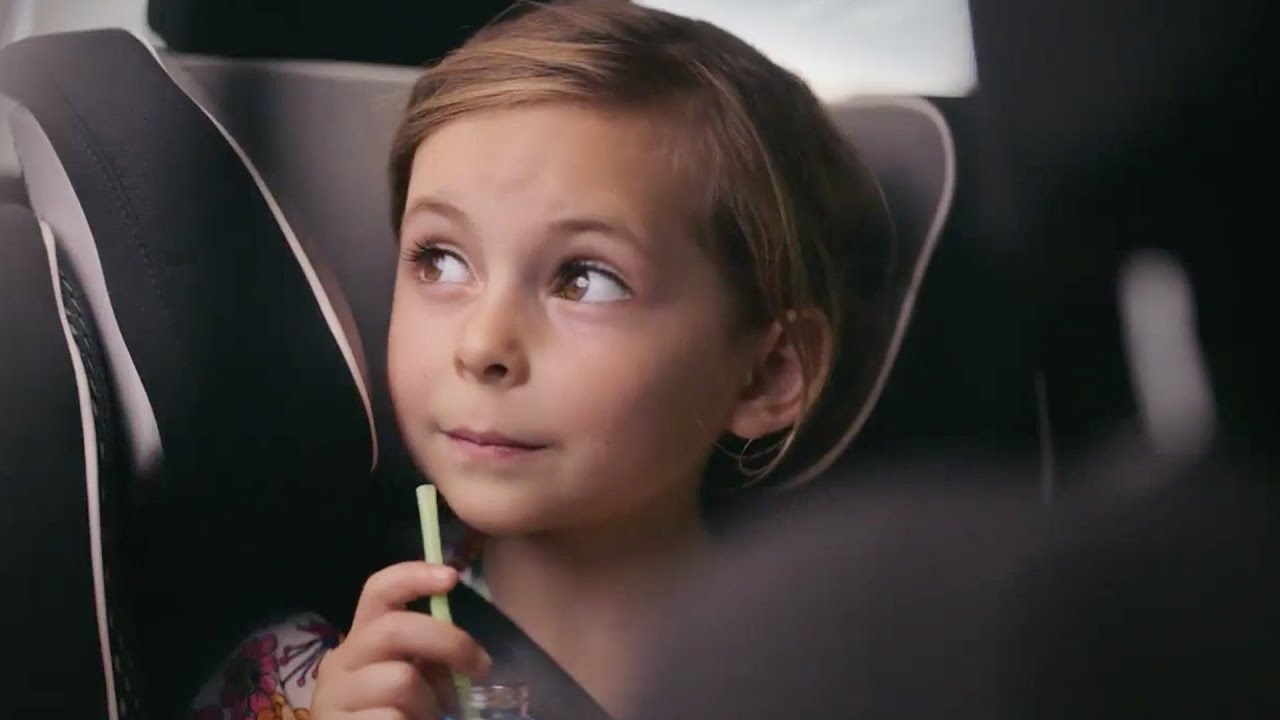
Take Volkswagen: Kids' Dreams as the perfect example of corporate self-irony. While every other mid-market brand tries to pretend they are "premium," Volkswagen leaned into the fact that kids don't actually grow up with posters of a Golf on their bedroom walls. They dream of the "Aventador or the Bugatti Chiron" - cars that, ironically, the Volkswagen Group already owns. By using a "soft, slow-motion dreamlike aesthetic" to highlight the supercars children actually want, the brand earned the right to talk about the car parents actually need. It is a masterclass in using honesty to pivot from a weakness to a strategic strength, proving that the most powerful thing a brand can do is tell the truth.
When the category does try to talk about features like safety, it usually resorts to the "scare tactic" - slow-motion crashes and somber warnings. Audi: Clowns took a different path by personifying the chaos of the road. Instead of showing a crumpled chassis, they personified reckless drivers as literal circus performers in "custom-built clown jalopies." This allows the viewer to laugh at the absurdity of traffic while internalizing the benefit of Audi’s technology. It is a metaphorical leap that most brands are too timid to take, preferring the safety of a spec sheet over the risk of a high-concept joke. By making the road "clown proof," Audi transformed a dry technical benefit into a cultural conversation.
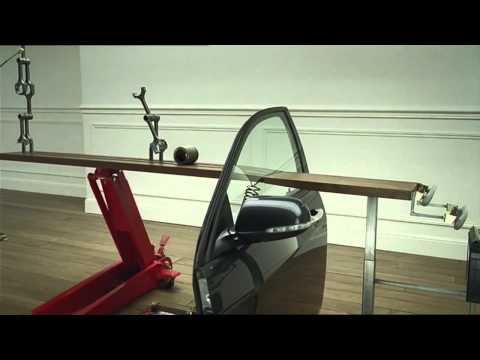
The common thread here is an obsessive commitment to craft that borders on the pathological. In an era of "good enough" CGI, the best automotive work refuses to take the easy way out. Consider Honda: Cog, which remains the gold standard for engineering storytelling. The production team spent months in a studio where parts had to be placed with a "precision of 1/16th of an inch." There are no digital tricks here; just "606 takes" and a pair of hand-built pre-production Accords sacrificed to the gods of physics. This level of dedication isn't just about the final film - it is a signal to the consumer. If a brand is willing to spend months getting a muffler to roll perfectly, you trust them to build the engine that powers it.
This same "no CGI" ethos is what turned Volvo Trucks: The Epic Split into a global phenomenon. B2B advertising is supposed to be the graveyard of creativity, yet Volvo generated "$172.6 million in earned media value" by putting a martial arts legend between two trucks. The brilliance wasn't just the stunt; it was the restraint. By filming at the "golden hour" and maintaining a steady reverse speed of exactly "25 km/h," they created something that felt impossible yet undeniably real. It is a singular image that communicates "stability" more effectively than a thousand white papers ever could. These brands aren't just buying airtime; they are buying a permanent spot in the viewer's mental gallery of "cool things I've seen."

Buying Craft Is Cheaper Than Buying Attention
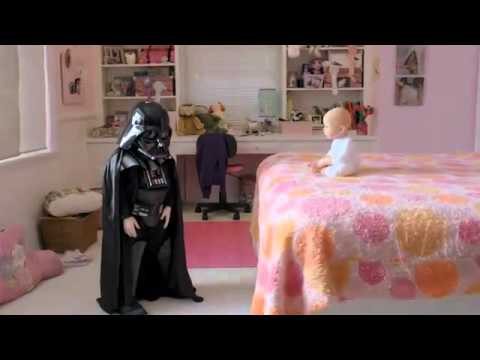
The most iconic ads in this library also understand the power of the "pre-release" and the cultural hack. Before VW: The Force, Super Bowl ads were kept under lock and key until the game. Volkswagen broke the cycle by releasing the "extended cut" on YouTube four days early, racking up "8 million views" before the first whistle blew. They traded the mystery of the broadcast for the momentum of the internet. By casting "six-year-old Max Page" and relying on the "Imperial March" instead of dialogue, they created a story that felt human rather than corporate. It wasn't an ad for a remote start feature; it was a short film about the magic of childhood that happened to have a car in it.
Finally, we see brands moving beyond the screen to build actual utility. Whether it is Toyota: LandCruiser Emergency Network turning vehicles into a "mobile mesh network" in the Australian Outback or Renault: The Dream Cradle becoming a "global retail reality" for exhausted parents, these campaigns prove that a car can be a service, not just a product. Even when they lean into humor, like the "120 formal complaints" sparked by Toyota Hilux: Bugger!, they do so with a localized grit that feels earned. This playlist isn't just a celebration of cars; it is a roadmap for how to survive in an attention economy by being too interesting to ignore. Great automotive advertising doesn't live in the showroom - it lives in the stories we tell about where the metal took us.