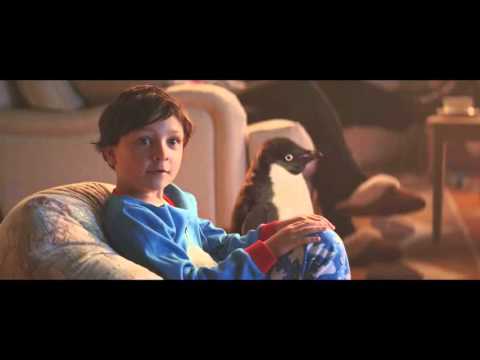
Christmas is the only time of year when consumers actually give a damn about being sold to, turning a sixty - second interruption into a national event. It is the Super Bowl of the soul, where the cost of entry is a tear - jerker and the prize is a permanent seat at the dinner table. These campaigns do not just sell products; they sell the very idea of the season, turning retail brands into cultural infrastructure that we anticipate as much as the meal itself.
What unites these campaigns is a pathological commitment to "The Big Idea" over the "Big Sale." While average brands spend December shouting about price points, the legends in this collection, like John Lewis: Monty the Penguin, focus on human truths so sharp they bleed. They understand that a penguin is not just a bird; it is a vessel for the universal ache of loneliness. This is not just fluffy storytelling - it is a commercial powerhouse that recorded its first - ever "£175 million sales week" by selling the feeling of a gift rather than the item itself.
The High Cost of Being Unforgettable
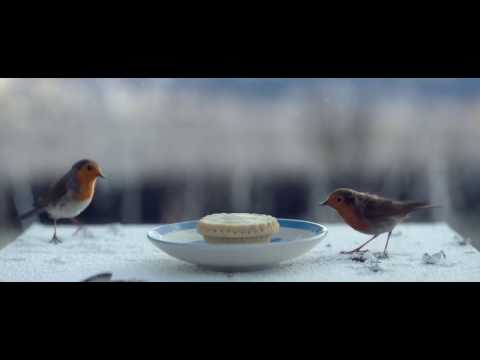
Most holiday ads fail because they mistake sentimentality for substance, but the campaigns that stick are the ones that treat craft as a non - negotiable strategy. Take Waitrose: Coming Home for Christmas, where the production team collaborated with professional ornithologists to ensure "each individual feather was rendered to react dynamically to wind, rain, and snow." This level of obsessive detail is not for the birds; it is for the subconscious. It signals to the viewer that if a brand cares this much about the preening habits of a CGI robin, they probably care about the quality of your festive feast. It is the difference between a disposable commercial and a piece of cinema that earns a 5.9 - star rating years after its release.
Standing out in the festive clutter requires more than just a high budget - it requires the courage to be the "anti - Santa." While everyone else is busy being nice, Harvey Nichols: Sorry I Spent it on Myself won a Grand Prix by being gloriously naughty. They did not just film a joke; they manufactured an entire line of "Ultra Low Net Worth" products, including "100% Real Wood Toothpicks" for 47p, which sold out in just a few hours. This is the Selfstorming lens in action: flipping the conventional wisdom that Christmas must be selfless. By leaning into the truth that we all secretly want that designer bag more than we want to give a gift to a distant relative, they achieved a level of cultural cut - through that a thousand generic ads featuring hugging families could never touch. It is proof that a cynical truth, well - told, is worth more than a dozen fake smiles.
Where Casting Becomes Strategy
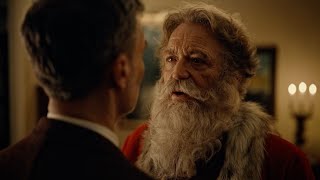
These campaigns become iconic because they build brand myths rather than temporary promotions. They do not just occupy a media slot; they occupy a moment in history. Posten - When Harry Met Santa did not just sell postal services; it commemorated the "50th anniversary of the decriminalization of homosexuality in Norway" with a four - minute cinematic slow burn. By making the brand the hero of a bigger social fight, Posten moved from being a utility to being a cultural landmark. This is the difference between an ad and an event. One is a cost; the other is an investment in the brand’s soul that pays dividends for decades. When you cast for character rather than "commercial appeal," you build a connection that outlasts the January sales.
Even when the technology shifts, the underlying strategy remains the same: use the festive season to dramatize the invisible. Whether it is Stella Artois - The Artois Probability using a "custom algorithm" to find a "78% probability" that a beer in a 16th - century masterpiece is a Stella, or Coca-Cola - Secret Santa (AI-Generated Christmas Ad 2024) generating "18,000 images" in three days to maintain its holiday dominance, the goal is always to bridge the gap between tradition and innovation. The brands in this playlist do not just follow the Christmas formula; they rewrite it every year. They understand that in the battle for the holiday season, the most expensive thing you can do is be boring. By investing in high - end direction, scientific precision, and a healthy dose of wit, these campaigns prove that magic is not something you find - it is something you engineer with a very specific ROI in mind.
The best Christmas ads do not ask for your attention; they earn it by giving you a story worth keeping. If you are not aiming for a tear or a laugh that lasts until New Year's, you are just making noise in a very crowded room.