
Most advertising is a desperate plea for dignity in a room full of people who just want to find the skip button. We spend billions trying to look important, yet the most effective way to grab a consumer’s collar is often to admit the whole charade is a bit ridiculous. Parody works because it creates an "inside joke" with the audience, turning the brand into a co-conspirator rather than a preacher. When Aviation Gin: The Process mocks the self-important, artisanal tropes of the spirits industry, it isn't just being funny - it is signaling that the brand is too smart for the usual marketing fluff. This is the antidote to the "prestige" ad that everyone ignores.
Weaponizing the Cringe of the Category
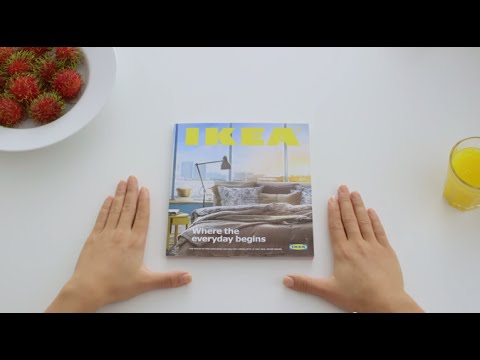
To win at parody, you have to know the enemy’s playbook better than they do. The most iconic campaigns in this space don't just poke fun; they perform a surgical dissection of industry cliches. Take Ikea: Book Book, which launched exactly one week before an iPhone keynote to capitalize on the "peak of the global tech hype cycle." By casting their actual Chief Design Guru to deadpan about eternal battery life and content that "comes pre-installed," Ikea didn't just sell a catalog - they made every other tech launch that year look like a parody of itself. This is the "Weapon" in the playlist title. It is about using the competitor's own gravity against them. Most brands fail here because they are too scared to be truly mean or truly absurd. They settle for "wacky" when they should be aiming for "lethal."
True satire requires a level of commitment that makes legal departments sweat. It is the difference between a "spoof" and a complete "rebrand of reality." When Shreddies: Diamond Shreddies rotated a square cereal 45 degrees, they didn't just run a joke ad; they committed to the bit so hard that "66% of consumers in an online poll claimed to prefer the diamond shape." This isn't just humor - it is a psychological experiment in brand perception. It works because the craft is indistinguishable from a "real" product launch. If the production value is low, the parody feels like a sketch show. If the production is high - like Adobe Marketing Cloud: Click, Baby, Click. hiring an Academy Award nominee to play a blustering CEO - the satire becomes a mirror. It forces the audience to confront the absurdity of their own professional anxieties, like the fear that "big data" might just be meaningless noise.

The ROI of Being the Only Sane Person in the Room
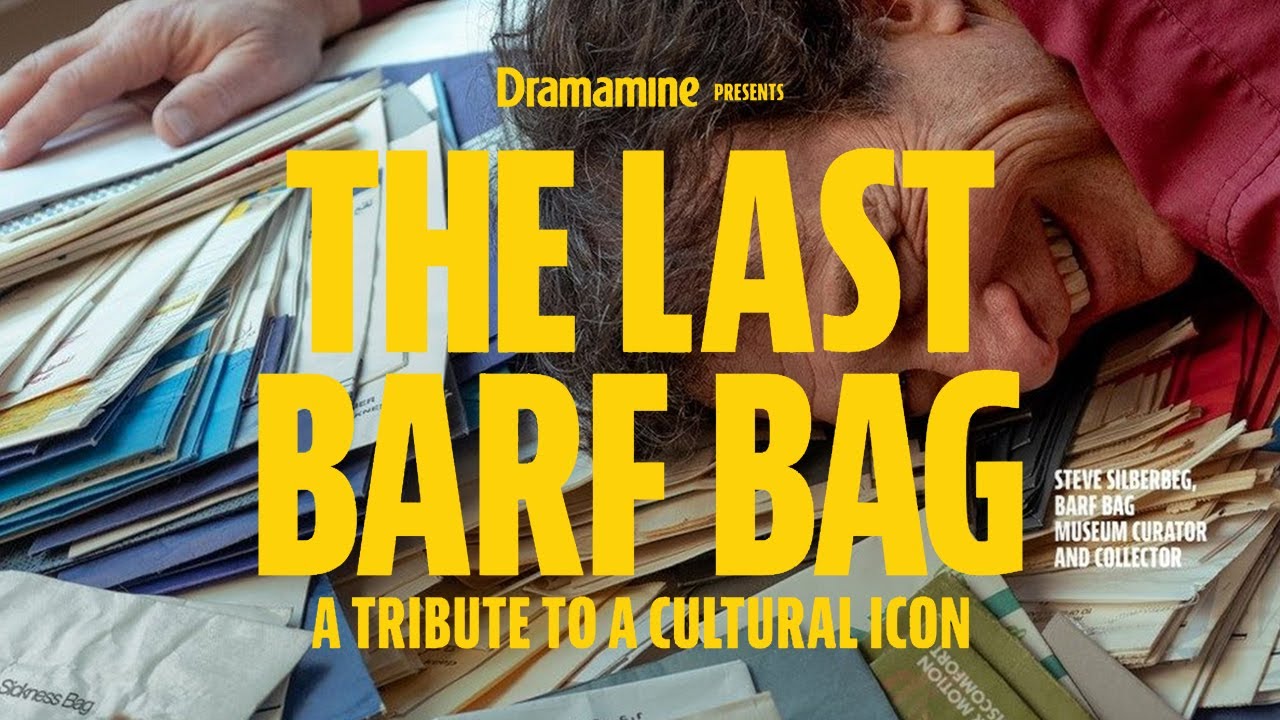
In a world of over-polished "authenticity," there is a massive strategic advantage in being the brand that calls out the elephant in the room. This is "utility through honesty." Dramamine: The Last Barf Bag didn't celebrate its 75th anniversary with a self-congratulatory gala; it issued a "mea culpa" for being so effective it rendered a cultural icon obsolete. By collaborating with a collector who refers to the bags as "nauseavats," the brand turned a boring functional benefit into a cinematic documentary. This is how you avoid being forgotten. You don't just tell a story; you hijack a cultural moment or a medium. Angel Soft: Potty-tunities understood this perfectly by spending an "$8 million media budget on a 30 - second countdown timer" during the Super Bowl. They gave people permission to look away, and in doing so, became the only thing anyone remembered.
What separates these campaigns from the "funny" ads of the past is the strategic backbone. These aren't just gags; they are defensive maneuvers and offensive strikes. Burger King: #WhoIsTheKing didn't just mock McDonald's; it "produced the entire film in just 48 hours" to prove a point about quality and distance. It is "Fastvertising" that uses wit to overcome a smaller media spend. This playlist is a masterclass in how to stop being a "paid face" and start being a "creative owner" of the conversation. When you stop trying to be the hero of the story and start being the narrator who knows the hero is wearing a wig, you win. You stop fighting for attention and start earning respect through the most human trait of all: a sense of irony.
Advertising is a game of attention, but parody is a game of respect. Stop asking for a seat at the table and start laughing at how wobbly the table is.