Most retail marketing suffers from "lifestyle-itis," a chronic condition where brands try to look like your best friend while secretly begging for your credit card. The campaigns in this collection do something far more aggressive: they stop talking and start acting as infrastructure. What unites these 40 entries is a shift from storytelling to "storydoing," where the brand becomes a functional part of the consumer's world. Whether it is Domino's: Paving For Pizza fixing actual potholes or IKEA: Cook This Page turning recipes into edible blueprints, these brands recognize that a utility is harder to ignore than a 30 - second spot. While average retail ads focus on "vibe," these focus on friction. They identify a moment of annoyance - like a ruined pizza or a confusing recipe - and solve it with a product that doubles as an ad. The commitment here is physical; for the Domino's campaign, the team actually mounted "GoPro cameras inside pizza boxes" to document the "Pizza Damage Report" across various road conditions, proving that the stakes were real.
Utility is the Ultimate Loyalty Program
This playlist stands out because it treats the consumer's time as a sacred resource rather than a target for "interruption." Most brands fail here by being too polite or too generic, but the iconic ones take massive risks with their own identity. Consider Nike: Winning isn’t for everyone | Am I a bad person?, which ditched the industry's obsession with inclusive wellness to celebrate the "ruthless traits of winners." To ground this in reality, the creative team "interviewed hundreds of elite athletes to identify the 'darker' traits" they felt were essential for success, from obsession to a total lack of remorse. It is this willingness to be polarizing that creates cultural moments. In a retail landscape cluttered with "we're all in this together" messaging, Nike’s contrarian POV acted as a magnetic north for their core audience, proving that being hated by the many is often the price of being loved by the few.

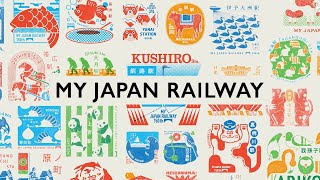
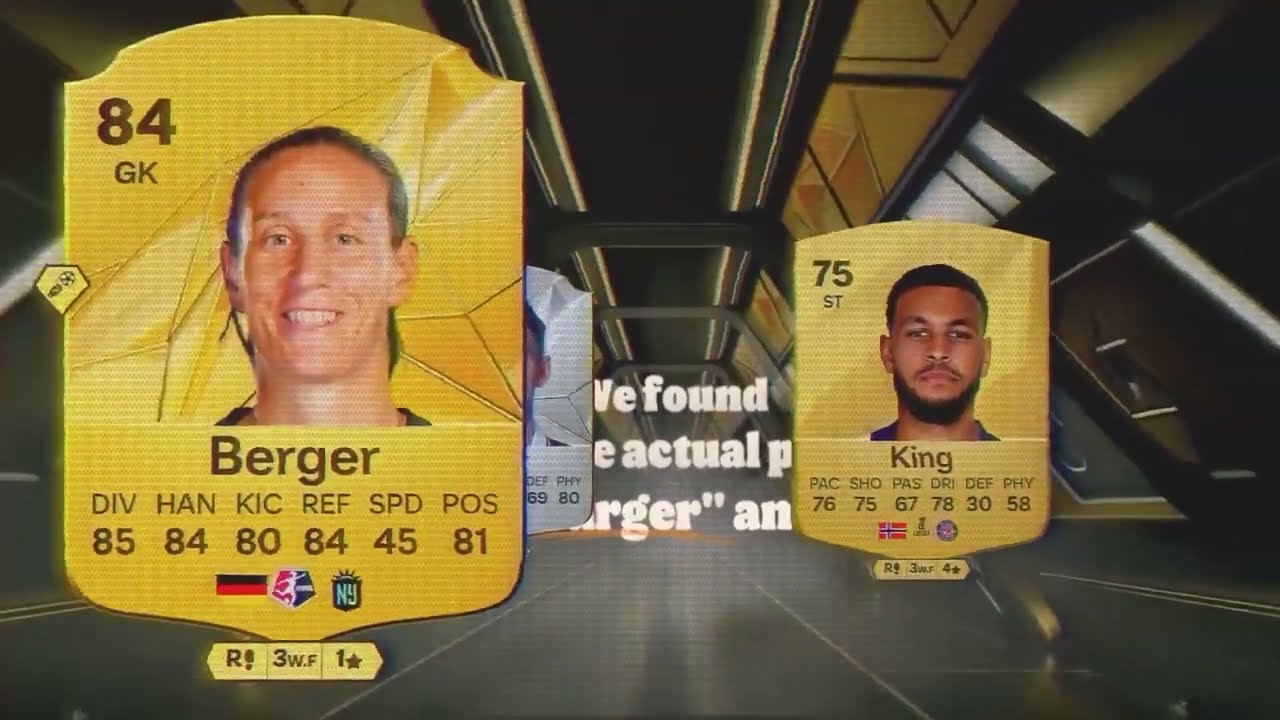
Beyond the bravado, there is a deep, almost obsessive level of craft that separates these campaigns from the forgotten digital noise. In JR Group - My Japan Railway D&AD Black Pencil 2024, the team didn't just digitize a stamp; they developed a "custom algorithm that mimics the tactile imperfection of physical stamping," adjusting ink density based on the user's touch pressure. This obsession with the "analog soul" is what transforms a functional app into "emotional infrastructure." It’s the same spirit found in Burger King: Burger to King, where the agency spent months "exploiting the AI commentary loophole" in a video game to turn player names into a free media channel. By the time a brand like Saudia Airlines - ProtecTasbih spends six years developing a sanitizing prayer bead, we aren't looking at an ad anymore - we are looking at product innovation disguised as a campaign. This level of dedication ensures that the work survives the initial launch cycle to become a case study in how to actually build brand equity through action.

This collection differs from others in the Selfstorming library because it focuses on the physical movement of the human body - the shopping trip, the commute, the pilgrimage. It is about the "last mile" of the consumer journey where the brand must prove its worth in the real world. While other categories might rely on clever copy or visual metaphors, retail and travel brands must survive the "gut feeling" test. They succeed when they turn a mundane purchase into a cultural event, like KFC: Christmas Pocket Store turning eight million customers into virtual franchise owners. These brands don't just ask for your attention; they build a world where you actually want to participate, turning the transaction into the reward itself. By creating these participatory ecosystems, they move beyond the shelf and into the daily habits of their audience. This is the difference between a brand that people buy and a brand that people live with, turning every shopping trip into a small adventure and every purchase into a shared cultural moment.
If you want to move people, stop making ads and start making tools. The most iconic brands in this category aren't the ones with the biggest media budgets, but the ones with the most useful imaginations.