Most brands treat "engagement" like a digital metric to be gamed with a clever hashtag, but the campaigns that actually stick are the ones that treat it like a hostage situation. You do not just watch these stunts - you are the punchline, the participant, or the person desperately trying to figure out why a 40-ton truck is picking you up in Munich. The magic of a hilarious activation lies in the "calculated inconvenience." While most marketing tries to remove friction, these campaigns lean into it. They turn a simple purchase into a high-stakes gamble or a physical ordeal. Take Media Mart: Rabbit Race, which did not just offer a discount; it turned every receipt into a betting slip for a live, televised rabbit sprint. To pull it off, they put "ten rabbits through a three-month boot camp" with professional animal trainers to ensure the athletes did not freeze under the studio lights. This is the "Selfstorming" difference: it is not just a joke; it is an infrastructure of absurdity. It is the same logic behind Burger King: Whopper Detour, which "geofenced over 14,000 McDonald's locations" just to troll people into trespassing for a one-cent burger. Most brands would stop at the meme; these brands build the app and hire the lawyers to make the meme a reality.
The High Cost of Being This Cheap
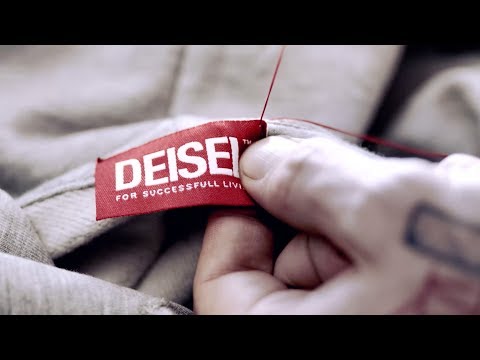
Iconic activations require a level of commitment that makes traditional brand managers sweat. It is the difference between "making a funny video" and "opening a fake store on Canal Street." When Diesel: Go With the Fake launched, they did not just put up a sign; they took the unprecedented legal step of "trademarking the misspelled DEISEL name" to prevent actual counterfeiters from out-trolling them. They hired improv actors to play high-energy hustlers and filmed the skepticism from a hidden command center two doors away. This is not just advertising - it is performance art with a P&L. It stands out because the brand is the one taking the risk, not the consumer. Whether it is Pop-Tarts - The First Edible Mascot sacrificing an "11-foot-tall toaster" and a "four-foot-long edible pastry" to be eaten by football players or Liquid Death: Your Grandma’s Energy Drink putting their own leadership in "hyper-realistic prosthetic drag" by the SFX legend behind Daft Punk, the common thread is a refusal to blink. If you are not slightly worried about the legal or physical consequences, you are not activating; you are just decorating.
The most successful entries in this category bridge the gap between "that is funny" and "that is actually useful." They solve a problem using the most ridiculous logic possible. Domino's: Paving For Pizza is the gold standard here. They did not just talk about delivery quality; they "funded local pothole repairs" to protect their crusts, even triggering FOIA requests from journalists trying to see if the "Public - Pizza Partnership" was real. It turns a boring infrastructure problem into a media channel. Similarly, Oreo - Cheat Cookies did not just change their packaging; they "produced six unique embossments simultaneously" to turn cookies into functional Xbox cheat codes. This requires a logistical nightmare of a production cycle, but the result is a product that lives in the culture rather than just on a shelf. It is the "unexpected utility" that separates a one-off prank from a strategic masterstroke. By building a utility rather than an ad, these brands earn a level of dwell time that a 30-second spot could never buy.

Why Logistics is the New Creative Direction
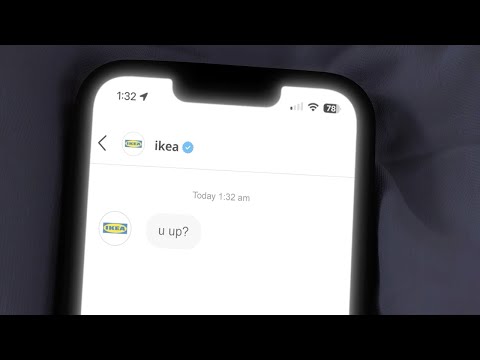
Finally, these campaigns work because they understand human nature better than a focus group ever could. They tap into our greed, our laziness, or our weird desire to hug inanimate objects. Coca Cola: Hug Machine did not need a complex digital strategy; it just needed "custom pressure sensors" to detect a human embrace. It turned a transaction into a social currency that reached "1.5 million views within its first hour online." Or look at IKEA: U Up?, which sent "3 million late-night messages" to doom-scrollers with a remarkably lean budget of just $4,500. It worked because it met people exactly where they were: tired, bored, and looking for a reason to engage. These activations succeed because they do not ask for permission to enter your life; they just show up with a giant adult-sized stroller or a pregnancy test in a magazine and wait for you to react. They prove that in an era of skippable ads, the only thing you cannot ignore is a brand that is willing to be more ridiculous than the internet itself.
The best activations do not just get people off their couches; they make the couch part of the joke, proving that a little bit of friction is the fastest way to a consumer's heart.