
Most advertising wants to be your best friend, a helpful neighbor, or a quirky uncle. These campaigns want to ruin your sleep. The "Shock & Horror" category is the only corner of the industry where the primary KPI is a literal increase in heart rate. While most brands spend millions trying to look approachable, the entries in this collection realize that dread is the ultimate "unskippable" format. By leaning into our primal fears, these brands bypass the analytical brain - the part that usually looks for a "Skip Ad" button - and go straight for the central nervous system.
The through-line here isn't just "being edgy." It is a total commitment to the rules of the genre. Most horror-themed ads fail because they wink at the camera too early, terrified of actually upsetting the consumer. The iconic ones, like SITGES (Fantastic Film Festival) - Chess, understand that the imagination is always more terrifying than the reveal. By using a "haunting soundscape" and a "minimalist storytelling" approach that never actually shows the birds, they respect the audience's intelligence. They don't just borrow the aesthetic of horror; they inhabit its soul, treating a 1980s New York suburb with the same reverence a director like Ari Aster would. Even VW: Alien succeeds because it treats its "creature" with $100 million blockbuster seriousness, juxtaposing cinematic alien screeches with the mundane "beep" of a tailgate.
Fear as a Functional Trojan Horse
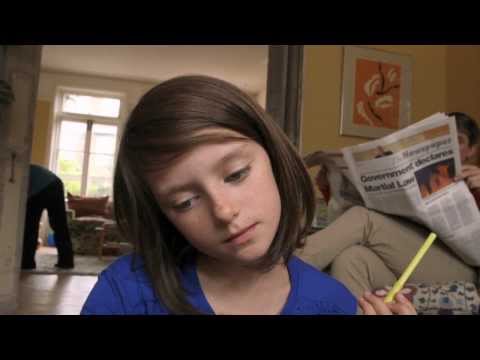
Horror in advertising is often a tool for radical empathy or hard-hitting truth. In Save the Children: Most Shocking Second a Day, the horror isn't a supernatural entity; it is the "deterioration of a girl's life" captured in a format that mirrors our own digital habits. Inspired by the "1 Second Everyday" app trend, the campaign uses the language of social media to make the Syrian conflict feel domestic and inevitable. It works because it doesn't look like a charity appeal; it looks like a tragedy happening in your own backyard. This isn't "shocking" for the sake of a headline - it is using dread to dismantle the "compassion fatigue" that usually kills humanitarian messaging.
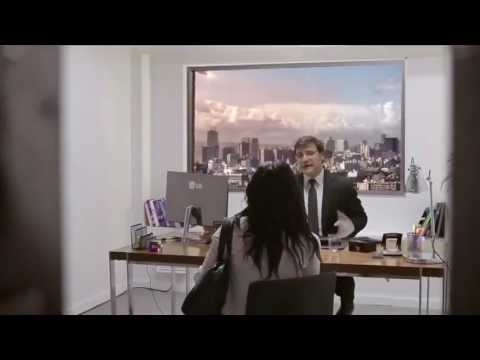
Then there is the "prank-vertising" era, where brands used terror as a functional product demo. If you can convince someone the world is ending, your screen resolution is probably good enough. LG Ultra HD TV: End Of The World Job Interview is the peak of this strategy, using "vibration motors under the floor" and "orange lighting cues" to simulate a physical shockwave during a fake meteor strike. It is a high-stakes "Exaggerate to Reveal the Truth" play. The brand isn't just telling you the pixels are clear; they are proving that the image is indistinguishable from reality, even when that reality is the apocalypse. It is a cruel, brilliant way to ensure the product benefit is felt, not just seen.
Practical Gore is Cheaper Than Apathy
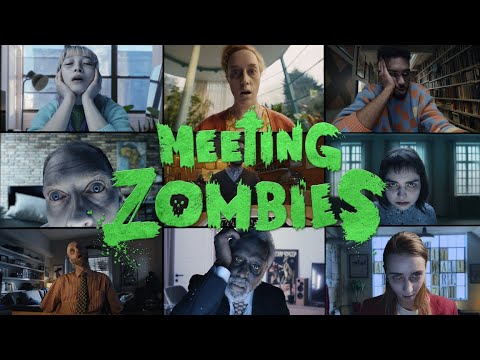
The craft in these campaigns is what keeps them from being forgotten. These brands don't just use horror tropes; they hire horror legends. Burger King: Scary Clown Night didn't just put a cheap wig on an intern; they hired acclaimed filmmaker "Rodrigo Cortés" to ensure the 90-second hero film felt like a legitimate thriller. This commitment to cinematic pedigree is what separates a viral hit from a cringe-inducing attempt at being "cool." Even in the B2B space, Slido: Meeting Zombies succeeded because it didn't settle for digital shortcuts. They used "high-quality practical effects" to categorize office workers into specific zombie archetypes like "The Nodder" or "The Sleeper." By leaning into the "Shaun of the Dead" aesthetic, they turned a potentially dry software pitch into a cultural moment that resonated with the "42% of participants" who admit to disengaging during remote meetings.
The most sophisticated entries in this collection use horror to expose the monsters we have been conditioned to ignore. IKEA: Ghost is a masterclass in this, utilizing the visual language of supernatural cinema - slamming doors and flickering lights - to mirror the "invisible" terror experienced by victims of domestic abuse. By framing the abuser as a "ghost," the agency didn't just create an ad; they created a visual metaphor for the fact that "47% of Czech women" have experienced mental abuse at home. This isn't shock for the sake of a click; it is using a genre we consume for entertainment to force a conversation about a reality we typically avoid. When a brand decides to go dark, it isn't looking for a "like" or a "share." It is looking for a pulse, a gasp, and a moment of undivided attention that the bright, happy world of traditional marketing simply cannot buy. In the theater of the mind, the things that go bump in the night are the only things we never truly tune out.