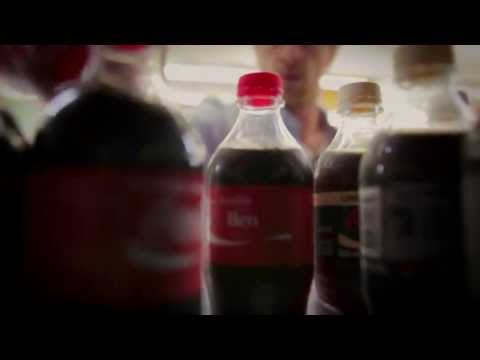
In an industry obsessed with "disruption" and "stopping power," we often forget that the most radical thing a brand can do is actually make someone like being alive for sixty seconds. The "Feel Good" category is the hardest to get right because the line between genuine warmth and corporate cringe is thinner than the budget on a local car dealership spot. Most brands try to manufacture joy with stock footage of smiling families and a generic acoustic guitar track, but the campaigns in this collection treat human connection as a serious creative discipline. They don't just ask for your attention; they earn your affection through sheer, unadulterated effort. Whether it is Discovery: I Love the World turning educational content into a global anthem for 220 countries or the hero of this list, Coke: Share a Coke, replacing its iconic logo with your name, these brands understand that optimism is only contagious when it feels earned.
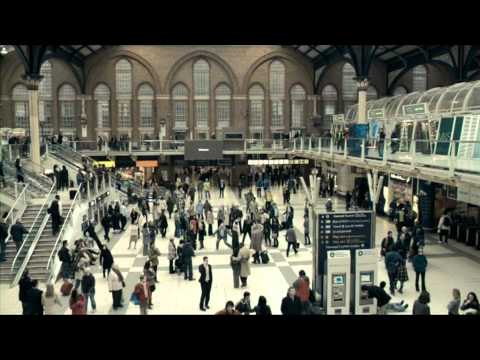
High-quality joy requires a level of logistical masochism that most CMOs would veto in a heartbeat. We aren't talking about "nice" ideas; we are talking about high-stakes engineering problems. Take T-Mobile Dance, which required 10,000 auditions just to find 350 performers who could blend into a crowd before "utilizing 10 hidden cameras" to capture the authentic bewilderment of London commuters. Or consider the technical audacity of Purina: Street-Vet, where a simple billboard was transformed into a functioning medical laboratory that "utilized pheromones to naturally attract dogs" to a pole for a health check. This isn't just advertising; it is a commitment to a feeling that survives the cynical filter of the modern viewer because the craft is undeniable and the utility is real.
The High-Stakes Engineering of a Smile
In other playlists, we might celebrate the shock of a horror-themed spot or the sharp wit of a satirical campaign. But here, the lens is focused on the "human hug" - the moments where a brand steps in to solve a tension with kindness rather than a punchline. Renault: Cars to Work didn't just talk about social mobility; it fundamentally altered its business model to help job seekers, proving that a brand can be the hero of a bigger fight by simply being useful. This level of sincerity is inherently risky. It leaves you vulnerable to being called "earnest" or "soft" in a room full of edgy creatives. Yet, when IKEA - Hej Hej Hej! (2024 Christmas Ad) uses a lonely dachshund to fight "home shame," it bypasses our intellectual defenses and hits us directly in the limbic system.
Why do these specific campaigns stay in the cultural memory while thousands of other "warm" ads fade? Because they don't blink. They commit to the world-building with a fanaticism that borders on the obsessive. Coca Cola: Happiness Factory didn't just show a vending machine; it hired 50 3-D animators to build a lore so deep they even created "Chinoinks" and "Love Puppies" to populate a secret internal ecosystem. Similarly, Apple: Share Your Gifts refused the easy path of 100% CGI, opting instead for "hand-built physical miniature sets" moved by a robotic arm to ensure the light felt tangible. This obsession with the "how" is what prevents these ads from feeling like hollow platitudes. It is the difference between a brand saying they care and a brand spending two years on R&D to make a billboard that saves a dog's life.
Why Sincerity is the Ultimate Power Move
Ultimately, these campaigns prove that "Feel Good" is a performance metric, not just a mood. They succeed because they replace the "look at me" energy of traditional advertising with a "this is for you" energy. When Cadbury - Shah Rukh Khan-My-Ad used generative AI to give 130,000 small business owners their own celebrity endorsement, it wasn't just a tech demo - it was a gift. These ads win awards because they choose to be a source of light in a medium often defined by its noise. They don't just reflect culture; they contribute to it by making the mundane feel magical. They remind us that the most effective way to sell a product is often to simply remind the consumer that the world, despite everything, is still a place worth celebrating. Optimism, when backed by world-class craft, is the most powerful tool in the creative arsenal.