
The 2020s began with a collective "wait, what?" and evolved into an era where a green owl can threaten your family on TikTok for missing a Spanish lesson. We have moved past the age of the polished brand monologue into a fragmented landscape where attention is not bought - it is hijacked through technical loopholes and cultural glitches. While the previous decade obsessed over "storytelling," this one is about "storydoing" at the speed of a 5G connection. The winners in this collection did not just make ads; they built utilities, staged elaborate pranks, and weaponized the very platforms that were supposed to render traditional advertising obsolete.
Take the "unhinged" pivot of Duolingo: Chaotic Owl on TikTok. Instead of begging users to learn French, they turned their mascot into a meme - savvy menace with total autonomy and a production cycle that can execute a stunt in just six days. This is brand - as - character in its purest form. Most brands fail here because they try to "act" cool rather than "being" the platform. They over - polish until the soul dies. The 2020s demand a certain level of "jankiness" that feels human. Even Coinbase - Less Talk, More Bitcoin understood this, spending $14 million on a Super Bowl slot but only $100,000 on a production that looked like a 90s DVD screensaver. It was a minimalist hack that drove 20 million hits in a single minute, proving that a bouncing QR code is more magnetic than a celebrity cameo.
Hacking the Loophole is Cheaper Than Buying the Slot
Strategy in this decade is less about finding a "unique selling proposition" and more about finding a "unique technical exploit." Why pay millions for celebrity endorsements when you can spend £50,000 to sponsor a League Two team and get your logo on the digital jerseys of Messi and Ronaldo? That is exactly what Burger King - Stevenage Challenge did, turning a bottom - tier real - world team into the most used club in FIFA 20. It is a masterclass in hacking the image rights of superstars for the price of a mid - sized SUV. This is the hallmark of the 2020s: using the existing rules of a digital ecosystem to break the marketing game entirely.

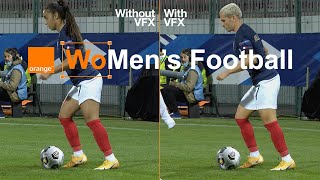
This same spirit of tactical interference defines how brands now handle social purpose. The purpose overload of the early 20s led to a lot of empty posturing, but the campaigns that stuck were those that turned values into tangible friction. When Dove - Turn Your Back saw a generative AI filter distorting beauty standards, they did not just release a statement; they moved from initial concept to live execution in three to six days, creating a visual protest that physically broke the filter's tracking. It is about being faster than the algorithm. Similarly, Orange - WoMen's Football used five months of manual, frame - by - frame VFX to trick fans into confronting their own biases. By the time the reveal happened, the emotional hacking had already bypassed the viewer's rational prejudice. This isn't just awareness - it is a cognitive ambush that forces the audience to acknowledge a truth they previously ignored.
Craft is the Only Defense Against the Skip Button
Even as we lean into AI and automation, the most iconic work of this decade relies on obsessive, almost masochistic levels of craft. The 2020s are not just about being fast; they are about being undeniable. Whether it is BodyForm: Womb Stories using 12 women animators working in total isolation to depict the visceral reality of endometriosis, or CeraVe - Michael CeraVe executing a month - long viral prank that culminated in a Super Bowl punchline, the commitment to the bit is what separates the icons from the noise. Most brands skip this part because it is hard to justify to a procurement department. But in a fragmented media world, "good enough" is invisible. You either crush your iconic logo like Coca-Cola: Recycle Me to prove a point about sustainability, or you get scrolled past.
This playlist captures the moment advertising stopped trying to be a break in the content and started being the content itself. It is the decade where a beer brand like Aguila - Beer Lottery can turn a boring national anthem into a billion peso jackpot by gamifying the player lineup, or where the Government of Tuvalu - The First Digital Nation can use LIDAR scans to preserve a sinking country in the metaverse. These are not just clever ideas; they are structural shifts in how a brand occupies space in the world. They prove that the most effective strategy right now is not to yell louder, but to find the missing conversation and build something useful or entertaining inside it. The 2020s reward the agile, the unhinged, and the obsessively crafted. If you are not willing to risk a public feud or crash your own app for a moment of genuine connection, you are just filling space. The era of the passive audience is dead; long live the era of the participant, the hacker, and the chaotic owl.