
Stop treating data like a spreadsheet and start treating it like a script. For decades, the industry has used data as a rearview mirror - a way to justify what already happened or a tool to stalk people with retargeted ads for shoes they’ve already bought. The campaigns in this library do the opposite. They treat live signals as a creative medium, turning invisible transponders, search trends, and emergency calls into high - stakes theater. This isn't "personalization" in the creepy sense; this is data acting as a playwright, building a world that reacts to the audience in real - time. It’s the difference between an ad that tells you a fact and one that proves it’s alive.
The magic happens when the algorithm stops being a back - end tool and starts being the front - end creative. Take British Airways: Magic of Flying. Most brands would just buy a digital billboard; OgilvyOne London built a "virtual tripwire" that intercepted transponder data in a 200km radius to trigger a child pointing at a plane in just 0.2 seconds. This is where most brands fail; they use data to find a "safe" audience rather than using it to power a "dangerous" idea. They want the certainty of numbers, but they forget that in the hands of a great creative, a live data point is just another brushstroke. These campaigns aren't just "data - driven" - they are data - obsessed, finding the narrative hidden inside the noise.
Engineering the Emotional Trigger
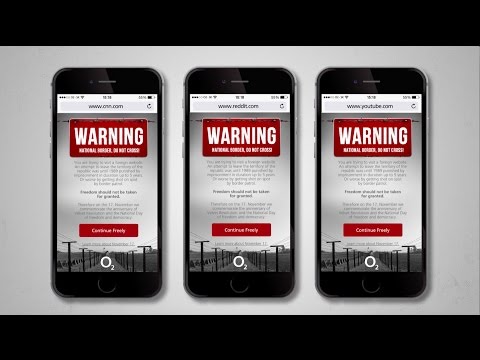
To make an impact in this category, you have to be willing to "break" the product to prove a point. In the Digital Iron Curtain campaign for O2 Slovakia, the agency didn't just talk about freedom - they collaborated with network engineers to manipulate DNS levels and "intentionally break the internet" to simulate a border. It’s a gutsy move that most corporate legal teams would veto in a heartbeat. Similarly, Under Armour: #Breakthegame didn't just run a TV spot during the NBA finals; they collaborated with 2K Sports to "uncap" Stephen Curry’s digital avatar for a 30 hour window, acknowledging that his real - world stats were so high they were literally "breaking" the game’s simulation engine. These aren't just ads; they are technical interventions that demand a level of engineering usually reserved for Silicon Valley startups, not creative departments.
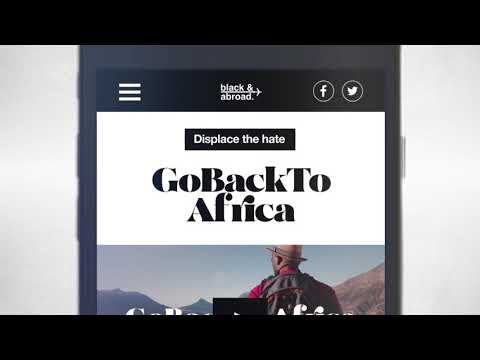
While some data plays are about the spectacle, others are about turning "big data" into "small utility." Most B2B advertising is a desert of stock photos and corporate platitudes, but Sberbank: Neighborhoods turned the bank into a hyper - local community consultant. By deploying digital ads restricted to a 500-meter radius around vacant properties, they matched entrepreneurs with actual resident demand for bakeries or dry cleaners. It’s the same spirit found in Black & Abroad: Go Back to Africa, which used Google Vision AI to redact the hateful context of a slur and turn it into a hyper - targeted tourism headline for 54 African nations. These campaigns succeed because they don't just "use" data; they respect the subculture the data represents. They understand that a spreadsheet isn't just a list of numbers - it's a map of human desire, fear, and movement.
The craft in this playlist isn't just in the copywriting; it's in the latency and the constraints. It’s in Spotify - Spreadbeats fitting a global dance music video into a 10MB .xlsx file using 1970s - era ASCII art to bypass corporate email filters. That is a level of commitment to the medium that makes a standard 30 - second spot look lazy. These campaigns aren't forgotten because they are impossible to ignore - they are "living" artifacts that change as the world changes. Whether it’s The Sydney Opera House: #comeonin sending personalized video invites to tourists in the exact moment they post an Instagram photo, or INAMU: The Second Scoreboard linking a live soccer broadcast to 911 dispatch data to visualize domestic violence, the goal is always the same: turn the data stream into a narrative arc. In this world, the strategist isn't just planning the media; they're writing the code for the soul of the brand. Stop looking for insights in the past and start looking for triggers in the present.