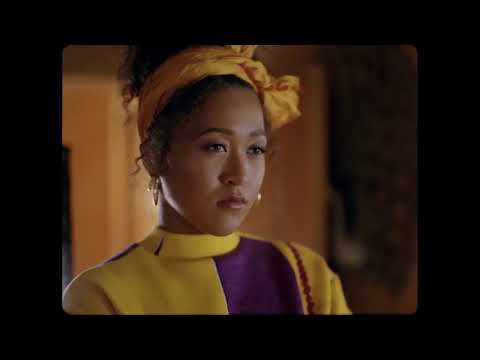
Most brands treat social justice like a seasonal window display - something to be swapped out once the trending hashtag loses its luster. They aim for the "middle," terrified of alienating a single customer, and end up producing the kind of lukewarm, stock-photo-heavy montages that everyone forgets by the next commercial break. The work in this playlist is the antithesis of that cowardice. These campaigns don't just "support" a cause; they hijack the cultural conversation, weaponize the medium, and force a level of cognitive dissonance that makes passivity impossible. They are less about advertising and more about strategic confrontation.
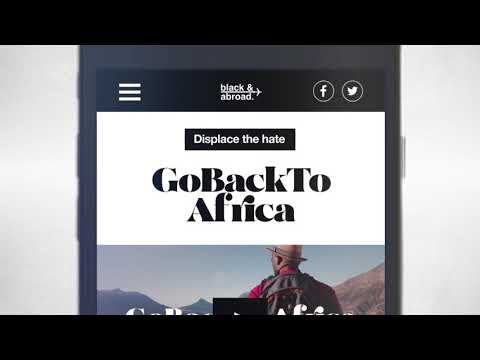
What unites these entries is a refusal to play by the traditional rules of brand safety. Instead of avoiding "the uncomfortable," these strategists lean into it. Look at Black & Abroad: Go Back to Africa. While other travel brands were busy selling sunset filters, this campaign built a custom AI platform to scan social media for a specific slur roughly "once every three minutes." By redacting the hate and repurposing the phrase into a headline for aspirational tourism, they didn't just counter racism - they colonized the racists' own vocabulary. It is a masterclass in turning a weaponized insult into a badge of pride.
This isn't just about clever copywriting; it is about a radical commitment to craft that most agencies simply skip. When you look at Nike - Dream Crazy, you aren't just seeing a billboard; you are seeing the result of "two years of secret debates" and a $6 billion risk that redefined the very concept of brand purpose. The same intensity applies to the visual language of Childish Gambino: This Is America. To capture the chaotic, visceral reality of the Black experience, the production utilized "six long Steadicam tracking shots" in an abandoned factory to create the illusion of an uninterrupted nightmare. This isn't "content" - it is cinema as a social manifesto. These campaigns succeed because they prioritize raw, unvarnished truth over the polished lies of the focus group. They understand that in a world of infinite scrolling, the only way to be heard is to say something that actually costs you something to say.
The Architecture of Earned Authority
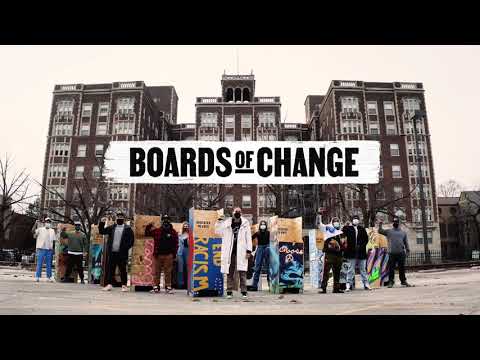
The most effective work here moves beyond the screen and into the physical world, turning brand values into functional architecture. Most antiracism ads stop at "raising awareness," a phrase that usually serves as a euphemism for doing nothing. But the City of Chicago - Boards of Change campaign took the literal plywood "salvaged from the streets" during the George Floyd protests and converted it into voting booths. This is strategy as utility. It met people exactly where they were - in the middle of a dual crisis of unrest and a pandemic - and channeled street-level demands into electoral power. It transformed a symbol of a boarded-up city into a tool for civic surge.
This playlist differs from others in the library because the "product" is often entirely secondary to the narrative. In P&G: The Talk, the brand took the massive risk of releasing a film that featured "zero P&G products," focusing instead on a generational ritual that many non-Black viewers didn't even know existed. That bravery was rewarded with 1.86 billion earned media impressions. Similarly, Beats By Dre: Straight Outta became a global phenomenon by giving people a customizable badge of identity. It was so pervasive that even the "Obama administration" used the meme format to message the Iran Nuclear Deal. These campaigns don't just reflect culture; they become the infrastructure of it. They prove that when a brand has the courage to pick a fight or take a stand, they don't just win a segment of the market - they win a place in history. True creative strategy isn't about being liked by everyone; it is about being indispensable to the people who matter.
In the end, these campaigns remind us that the most powerful creative tool isn't a bigger media budget or a flashier director - it is the willingness to be honest when everyone else is being polite.