Faculdade Zumbi dos Palmares: The Black Box
Faculdade Zumbi dos Palmares, the only college for Black students in Brazil, tasked Wunderman Thompson São Paulo with addressing the systemic erasure of Black history in the national curriculum. They needed to empower their students and reclaim their heritage by uncovering suppressed contributions in science, art, and history, ultimately aiming to restore pride and provide a more truthful educational foundation for future generations.
Creative Idea
Created a generative-designed book using interactive black bars to reveal erased historical truths.
To combat the erasure of Black history in Brazil, the college created a generative-designed textbook that uses interactive black boxes to reveal suppressed historical truths, turning a research project into a permanent academic curriculum.
Opening the Flight Recorder of Brazilian History
15,000 Hours of Historical Reconstruction
The project was less a traditional ad campaign and more a massive academic undertaking. A multidisciplinary team of African - Brazilian researchers, historians, and journalists spent over 15,000 hours identifying and documenting the erased contributions of Black pioneers. This research did not just live on a screen; it was codified into a 200 - page textbook where every chapter was integrated as an official academic subject into the college’s syllabus. Over 10,000 copies were distributed, transforming a marketing asset into a permanent structural change for the institution.
Generative DNA and Interactive Erasure
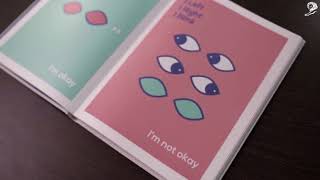
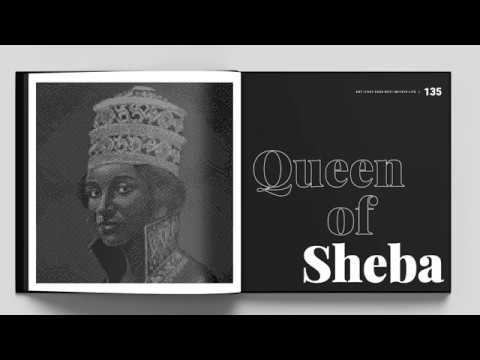 The visual language of the book was built on a custom code that used the map of Quilombo dos Palmares - a 17th - century settlement of escaped slaves - as its base. This generative design transformed the map into pixels to form every illustration, effectively embedding the "DNA" of resistance into the art. To mirror the act of uncovering history, the production used translucent tracing paper printed with solid black stripes. As students turn these pages, the "black boxes" shift to reveal the names of heroes and inventors previously obscured by historical bias.
Beyond the Awareness Loop
Creative leaders Danilo Janjacomo and Talita Cardozo designed the work to challenge the "hidden past" that persists 300 years after slavery. By timing the launch with the Cannes Lions festival, the agency ensured that the systemic issue of Brazilian racial inequality was presented to a global audience. The "Black Box" title serves as a double metaphor: referencing both the flight recorder that reveals the truth after a disaster and the "mysterious" way Black history has been treated in national textbooks.
Creative Strategy Deconstructed
Company
A specialized higher education institution dedicated to Black empowerment and historical preservation.
Category
Traditional education systems often marginalize or omit the contributions of Black figures in history and science.
Customer
Black students seek representation and the restoration of their cultural pride through accurate historical education.
Culture
The persistent cultural erasure of Afro-Brazilian history created a void that only a radical truth-telling project could fill.
Company
A specialized higher education institution dedicated to Black empowerment and historical preservation.
Category
Traditional education systems often marginalize or omit the contributions of Black figures in history and science.
Strategy:
Transform suppressed historical data into a permanent educational infrastructure to restore cultural identity and institutional authority.
Customer
Black students seek representation and the restoration of their cultural pride through accurate historical education.
Culture
The persistent cultural erasure of Afro-Brazilian history created a void that only a radical truth-telling project could fill.
Strategy:
Transform suppressed historical data into a permanent educational infrastructure to restore cultural identity and institutional authority.
Results
The campaign involved over 15,000 hours of research by historians, teachers, and journalists. It resulted in the creation of a physical book, 'The Black Box,' which was distributed to all students at Faculdade Zumbi dos Palmares. The campaign also led to the introduction of new classes based on the book's subjects. The project received recognition from prominent figures including Barack Obama, Hillary Clinton, and Graça Mandela. The campaign aimed to address the fact that while 54% of Brazilians are Black, only 12.8% are college students, by empowering them through their own history.
15,000
hours of research
54%
of Brazilians are Black
12.8%
of Black Brazilians are college students
Strategy Technique
Make the Invisible Visible
By meticulously researching and publishing 15,000 hours of erased history, the campaign forced the recognition of Black contributions that had been systematically ignored by the traditional educational system.
Explore Technique
Creative Technique
Expose the Hidden
The book uses physical black bars and translucent paper to literally uncover suppressed historical facts, turning the metaphor of a black box into a tactile experience of discovery.
Explore Technique
Craft Breakdown
The campaign's craft is elevated by its deep integration of historical symbolism into modern technology and design, creating a physical object that is both an educational tool and a piece of art.
The use of generative design to create images from a historical map is a brilliant way to embed meaning into the book's visual identity.
The bold, clear typography is used effectively to deliver powerful statements and metrics.
The consistent black-and-white aesthetic creates a strong, unified identity that reinforces the campaign's core message.
The script is provocative and clear, successfully reframing history and the importance of the project.
“The synergy between the historical research and the generative design creates a powerful narrative where the medium truly becomes the message.”