The New York Times: The Truth Is Hard To Find
Amidst rising political hostility and 'fake news' accusations, The New York Times tasked Droga5 New York with launching its first brand campaign in a decade. The goal was to move beyond price-based marketing and remind a polarized audience of the immense resources and dedication required to produce quality journalism, ultimately driving digital subscriptions by proving the brand's indispensable value to society.
Creative Idea
Used raw contact sheets and field audio to reveal the dangerous labor behind a single photograph.
By stripping away cinematic polish and using raw contact sheets and field audio, the campaign dramatized the grueling and meticulous process of photojournalism to prove that truth isn't just a fact - it's a hard-won pursuit.
Capturing the High Ground in the Fake News Era
A Record Breaking Subscription Surge
The campaign’s impact on the bottom line was immediate and historic. In the first quarter of 2017 alone, the Times added 308,000 net digital-only subscriptions, marking the most successful quarter in the company’s history. This momentum helped the publisher reach a milestone of 3 million paying subscribers and $500 million in annual digital revenue. Beyond the numbers, the work generated over 5.12 billion earned impressions, providing an estimated $16.8 million in earned media value. By the second quarter of 2017, the brand saw its advertising revenue grow for the first time in nearly three years.
Raw Assets and Minimalist Craft
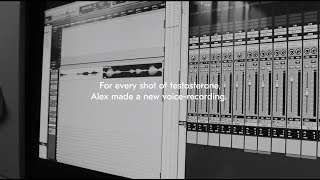
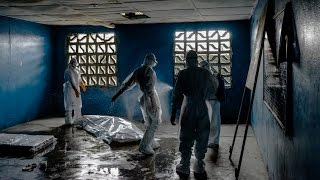
 Director Darren Aronofsky and Droga5 eschewed traditional cinematic polish, opting instead for a visceral, minimalist approach. The "Tyler Hicks" spot was constructed using the photojournalist’s actual camera rolls and audio field recordings. By displaying rapid-fire contact sheets, the film highlighted the split-second life-and-death decisions made while documenting the refugee crisis and the war in Iraq. The sound design was intentionally stripped back to ambient noises - such as waves, wind, and gunfire - layered with Hicks’s internal monologue.
Defiance Amidst Political Hostility
Launched during the 89th Academy Awards, the campaign served as a high-ground response to the "Trump Effect." At a time when the administration frequently labeled the publication as "the failing New York Times," the brand shifted from price-based "direct response" marketing to "brand purpose" messaging. This strategic pivot was spearheaded by then-Chief Revenue Officer Meredith Kopit Levien. The production also carried deep personal weight; Hicks, a three-time Pulitzer winner, had previously been abducted in Libya and survived the Syrian conflict where his colleague Anthony Shadid tragically died.
Creative Strategy Deconstructed
Company
Unparalleled access to world-class journalists and their raw, unedited field recordings and photography archives.
Category
Focusing on headlines and price-driven subscriptions while ignoring the physical and ethical cost of reporting.
Customer
Feeling skeptical of media and overwhelmed by 'fake news' narratives, yet craving a source they can actually trust.
Culture
A climate of political hostility toward the press where the very definition of truth was being publicly contested.
Company
Unparalleled access to world-class journalists and their raw, unedited field recordings and photography archives.
Category
Focusing on headlines and price-driven subscriptions while ignoring the physical and ethical cost of reporting.
Strategy:
Dramatize the rigorous, high-stakes process of discovery to transform a commodity product into a vital democratic service.
Customer
Feeling skeptical of media and overwhelmed by 'fake news' narratives, yet craving a source they can actually trust.
Culture
A climate of political hostility toward the press where the very definition of truth was being publicly contested.
Strategy:
Dramatize the rigorous, high-stakes process of discovery to transform a commodity product into a vital democratic service.
Results
The campaign achieved historic success, generating over 5.12 billion earned impressions and an earned media value equivalent to more than $16.8 million. In Q1 2017, The New York Times added 308,000 net digital-only subscriptions, marking the best quarter in the company's history. By March 2017, the publication reached a milestone of 3 million paying subscribers and $500 million in annual digital revenue. Furthermore, in Q2 2017, advertising revenue grew for the first time since Q3 2014. The campaign swept major industry awards, winning multiple Gold Lions at Cannes (including Film and Film Craft), a D&AD White Pencil, and multiple Gold Pencils at The One Show.
5.12B
Earned Impressions
308,000
Net Digital Subscriptions in Q1
$16.8M
Earned Media Value
Strategy Technique
Make the Invisible Visible
In an era of 'fake news' accusations, the campaign made the invisible labor of reporting visible, shifting the conversation from the output to the high-stakes process of gathering it.
Explore Technique
Creative Technique
Exhibit the Truth
It uses raw, unedited contact sheets and field recordings to show the literal frames surrounding a famous image, proving the rigorous process and physical danger required to capture a single moment of truth.
Explore Technique
Craft Breakdown
The campaign masterfully utilizes raw, unpolished assets to create a visceral sense of realism that elevates the brand from a news source to a vital democratic institution.
The rapid-fire sequencing of contact sheets and camera rolls creates a rhythmic, high-stakes narrative that visualizes the split-second decisions of photojournalism.
Stripped-back field recordings of wind, waves, and gunfire are layered with intimate internal monologues to immerse the viewer in the journalist's environment.
By using Pulitzer-winning photojournalist Tyler Hicks's actual field work, the campaign leverages authentic imagery to prove its core message.
The minimalist black-and-white typographic style established a stark, iconic visual shorthand that became synonymous with the brand's pursuit of truth.
“The magic arises from the contrast between the 'low-fi' raw assets (contact sheets/field audio) and the high-end cinematic pacing, which makes the intellectual concept of 'truth' feel physically tangible.”