The New York Times: Daniel Berehulak
The New York Times sought to reinforce its reputation for courageous, in-depth global journalism. They aimed to highlight the profound human commitment of their photojournalists to a discerning audience who valued authentic, impactful storytelling. The goal was to underscore the brand's essential role in revealing critical world events.
Creative Idea
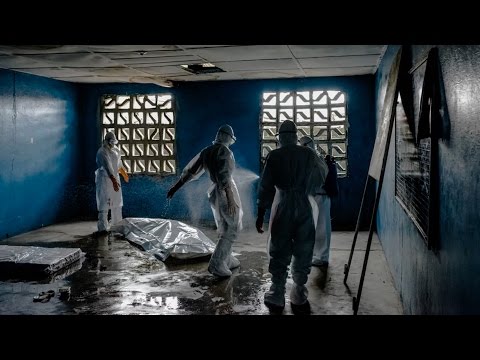
A photojournalist's personal account revealed the unseen human cost of an invisible conflict.
The New York Times showcased photojournalist Daniel Berehulak's harrowing experience covering the Ebola crisis, revealing the unseen human cost through his personal narrative to underscore the brand's unwavering commitment to bringing difficult, essential truths to light.
The Cost of a Single Headline
The Darren Aronofsky Collaboration
To move beyond the minimalist text of the initial launch, The New York Times partnered with Chromista and Academy Award - nominated director Darren Aronofsky. Known for his visceral filmmaking style, Aronofsky directed the "Phase 2" films to focus on the "how" of journalism. The production utilized Daniel Berehulak’s actual raw materials - including contact sheets, voice memos, and rough drafts - to create a sensory experience. The sound design was meticulously crafted to layer the rhythmic mechanical click of a camera shutter over ambient field recordings of sirens and rain from the Philippines.
A Direct Rebuttal to Fake News
 The campaign arrived during a period of intense political friction. On the day of the 2017 Academy Awards, Donald Trump famously tweeted that the "failing" publication was running a "bad" ad to save its reputation. This cultural backdrop transformed the work from a standard brand message into a defiant statement on the value of truth. Meredith Kopit Levien, then - Chief Revenue Officer, noted that the brand needed to be treated as a consumer product rather than just a news source. This shift was a massive success, driving 308,000 new digital subscriptions in just one quarter - a 62% increase over the previous year.
The First Commercial in 166 Years
Despite being a global institution, this campaign marked the first time in the 166 - year history of the publication that they aired a television commercial during the Oscars. The minimalist aesthetic was so stark that many viewers initially believed their television sets had glitched. By focusing on the 57 people killed over 35 days that Berehulak documented, the spot successfully shifted the industry conversation from "what the news is" to "why the news matters."
Creative Strategy Deconstructed
Company
The New York Times credibly delivered unparalleled access and courageous, in-depth reporting from the world's most challenging, dangerous zones.
Category
News reporting often focuses on facts, sometimes overlooking the profound human dedication and personal sacrifice behind the stories.
Customer
Audiences sought authentic, unfiltered truths from global crises, desiring to understand the profound human cost and journalistic integrity.
Culture
A growing global awareness of humanitarian crises and the critical role of dedicated journalism in informing and mobilizing public understanding.
Company
The New York Times credibly delivered unparalleled access and courageous, in-depth reporting from the world's most challenging, dangerous zones.
Category
News reporting often focuses on facts, sometimes overlooking the profound human dedication and personal sacrifice behind the stories.
Strategy:
Elevate journalistic courage and personal sacrifice to underscore a brand's commitment to truth.
Customer
Audiences sought authentic, unfiltered truths from global crises, desiring to understand the profound human cost and journalistic integrity.
Culture
A growing global awareness of humanitarian crises and the critical role of dedicated journalism in informing and mobilizing public understanding.
Strategy:
Elevate journalistic courage and personal sacrifice to underscore a brand's commitment to truth.
Strategy Technique
Make the Invisible Visible
The campaign highlighted a journalist's mission to reveal the devastating, unseen impact of a virus, making its human cost tangible and undeniable for the audience.
Explore Technique
Creative Technique
Expose the Hidden
The campaign featured a photojournalist describing an "invisible" conflict and his responsibility to "show the rest of the world what's happening," directly revealing unseen realities.
Explore Technique