Canadian Down Syndrome Society: Down Syndrome Answers
The Canadian Down Syndrome Society (CDSS) tasked FCB Toronto with reaching expectant parents immediately following a prenatal Down syndrome diagnosis. These parents often felt overwhelmed and relied on clinical, discouraging search results. CDSS needed to dispel misconceptions and provide a more human perspective on life with Down syndrome to help parents make informed decisions during a critical ten-day window.
Creative Idea
People with Down syndrome filmed answers to the forty most common questions about their condition.
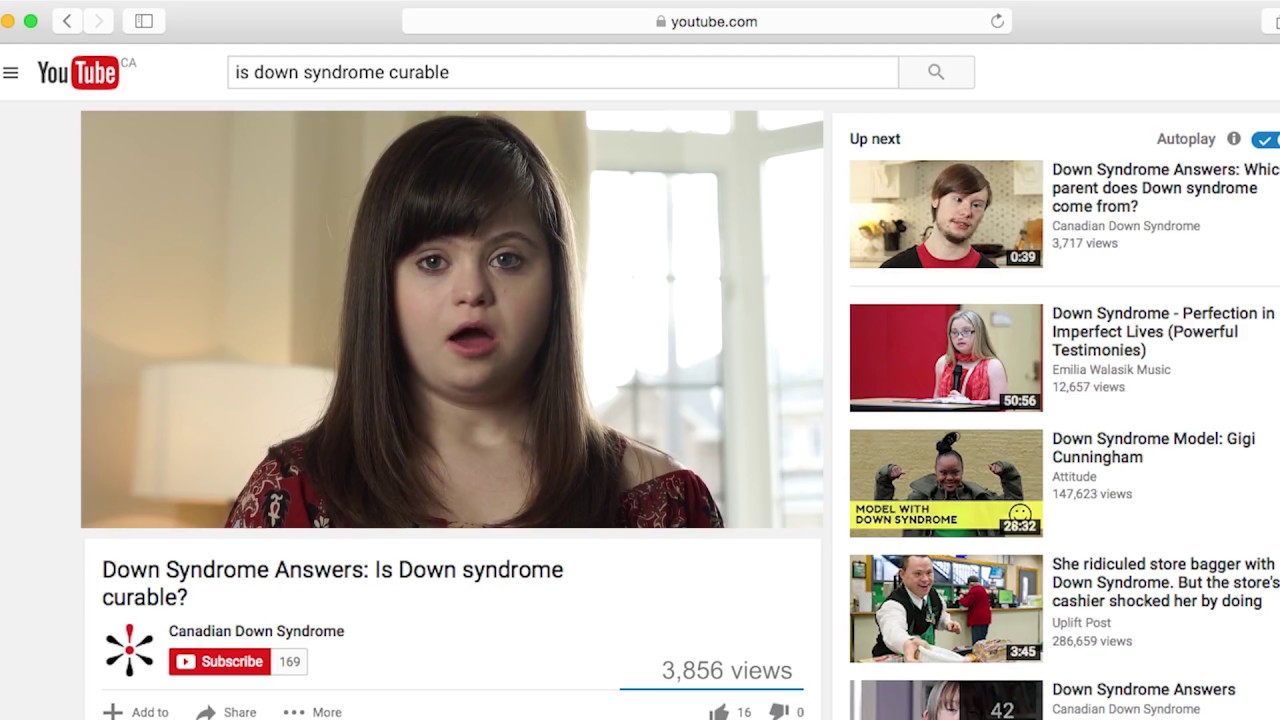
The campaign intercepted expectant parents during their most vulnerable moment - the Google search following a Down syndrome diagnosis - by replacing cold medical data with a series of videos where people with Down syndrome personally answered the most-searched questions.
The Ten Day Window That Changed Search
Intercepting the Clinical Narrative
The production was built around a harrowing medical insight: after a prenatal diagnosis, parents typically have a 10-day window to decide whether to proceed with a pregnancy. During this high - stakes period, most turn to Google, where they previously encountered cold, discouraging medical data. To humanize these results, FCB Canada and Reprise Digital identified the top 40 most - searched questions and filmed self - advocates like Caleigh, Dylan, and Zeph providing unscripted, intimate answers. This "search - first" strategy effectively "owned" the results for these queries, displacing clinical definitions with lived experience.
A Global Benchmark for Data
 The campaign’s impact was so profound that Google adopted it as a global case study for best - in - class search marketing. Despite having zero media budget, the initiative generated over 455 million earned media impressions and a staggering 893% increase in referral traffic to the CDSS website. The strategy shifted the industry’s perception of SEO from a transactional "buying" tool to a "service" tool capable of crisis intervention.
Debates and Directives
The project’s authenticity was driven by director Elias Campbell and Jigsaw Casting, who ensured the participants spoke directly to the camera as peers to the parents. During the judging at Cannes, the work sparked a significant debate within the Creative Data jury regarding its potential "pro - life" lens. However, the jury ultimately concluded that the imaginative use of data to provide holistic information was undeniable. As Nancy Crimi - Lamanna (CCO, FCB Toronto) noted, the goal was simply to provide the "human side" of the story that doctors often omitted.
Creative Strategy Deconstructed
Company
A community of self-advocates ready to share their lived experiences and humanize a clinical diagnosis.
Category
Non-profits often rely on pity-based awareness ads or medical experts to speak on behalf of marginalized groups.
Customer
Expectant parents feel overwhelmed and turn to search engines for answers, finding only frightening medical statistics.
Culture
The 'Dr. Google' phenomenon means people trust search results for life-altering health information more than traditional media.
Company
A community of self-advocates ready to share their lived experiences and humanize a clinical diagnosis.
Category
Non-profits often rely on pity-based awareness ads or medical experts to speak on behalf of marginalized groups.
Strategy:
Intercept high-intent information seeking to replace clinical data with humanized lived experience during critical decision-making moments.
Customer
Expectant parents feel overwhelmed and turn to search engines for answers, finding only frightening medical statistics.
Culture
The 'Dr. Google' phenomenon means people trust search results for life-altering health information more than traditional media.
Strategy:
Intercept high-intent information seeking to replace clinical data with humanized lived experience during critical decision-making moments.
Results
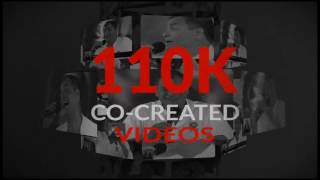
The campaign achieved 519 million impressions and reached a global audience. The videos were viewed over 240,000 times, which is significant given there are only 25,800 Down syndrome pregnancies in North America annually. There was a 101% increase in organic traffic to the Canadian Down Syndrome Society website, with over 50% of that traffic coming through Google Search. Google has since recognized the campaign as a best-in-class case study for search-based marketing.
519M
impressions
101%
increase in organic traffic
240k+
answers viewed
Strategy Technique
Build an Utility, Not an Ad
Instead of a traditional awareness ad, the campaign created a functional search tool that provided immediate value. It solved a specific information gap for parents in a high-stress decision-making window.
Explore Technique
Creative Technique
Hijack the Medium
By optimizing video content for the top 40 search queries, the campaign effectively hijacked the Google results page. This replaced clinical medical definitions with authentic, human responses from the community itself.
Explore Technique
Craft Breakdown
The campaign's brilliance lies in its strategic use of SEO and data to intercept a vulnerable audience with authentic human connection rather than clinical data.
The use of search engine optimization as a creative tool to target parents in a specific 10-day window is a masterclass in precision media.
The 'true experts' deliver their lines with a mix of sincerity and personality that completely reframes the viewer's perception of the condition.
The script for the answers balances medical information with relatable, human experiences perfectly.
The integration of search bars and digital interfaces effectively illustrates the problem the campaign is solving.
“The synergy between data-driven search strategy and raw, authentic performance creates a powerful 'search-and-rescue' mechanism for information.”