Creativity in the public sector isn't about having a big heart; it's about having a big enough ego to believe you can out-engineer a systemic failure with a zero-dollar media budget. While most NGOs are still "sad-fishing" for donations with slow-motion b-roll and somber piano tracks, the campaigns in this playlist operate like elite special forces. They don't beg for attention - they hijack it. Whether it is Reporters Without Borders: The First Speech using "original archival audio" from autocrats to expose the fragility of truth or UN Women: Child Wedding Cards forcing lawmakers to "physically hold" the evidence of a human rights violation, these ideas succeed because they replace passive empathy with active friction. They prove that in the nonprofit world, a well-placed product is more lethal than a thousand billboards.
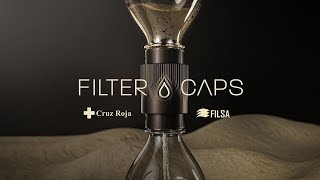
The through-line here is the shift from "awareness" to "utility." Most brands get this wrong by treating a cause as a temporary social media badge. These campaigns, however, build infrastructure. Take Red Cross x Filsa Water: Filter Caps, which didn't just talk about clean water; it engineered a "miniature treatment plant" out of "cornstarch-based resin" that fits on any PET bottle. At a production cost of "less than $6 per unit," it turned plastic pollution into a life-saving tool. This isn't just advertising - it is a supply chain hack that forces the brand's values into the user's hand. When you build a tool, you don't need to buy a media schedule; the utility provides its own momentum.
Engineering a Solution is Cheaper than Buying a Headline
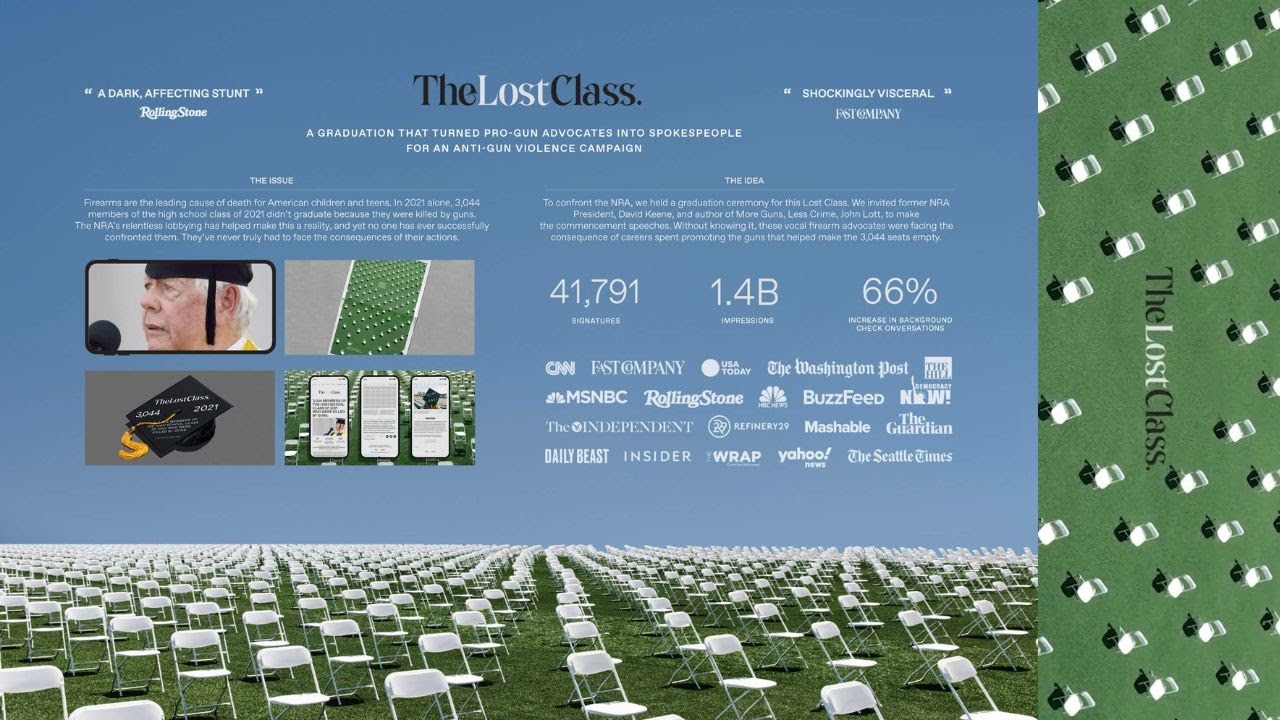
What separates these icons from the forgotten PSAs is a terrifying level of creative risk. Traditional government comms are allergic to controversy, but the most powerful work here embraces the prank, the sting, and the legal loophole. Change the Ref: The Lost Class didn't just run a stat about gun violence; it built a "meticulous facade" for a fake academy to trick pro-gun leaders into addressing "3,044 empty white chairs." That is a level of commitment that most corporate clients would kill in the first briefing. It requires a director like Bryan Buckley to treat a "dress rehearsal" as a high-stakes psychological operation. This playlist isn't about being "nice" - it is about being effective through calculated confrontation and the kind of audacity that makes lawyers sweat.
Finally, there is the matter of craft. In a category often defined by "good enough for a charity," these campaigns over-index on production value to bridge the credibility gap. Gavião Kyikatejê FC: Kyikatejê didn't just film a football match; they shot on "16mm film" deep in the Amazon to ensure a "raw, organic texture" that commanded respect on a national stage. Similarly, IM Swedish: The Humanium Metal Initiative transformed illegal firearms into a "circular economy" metal used for everything from "Humanium crayons" to luxury watches. They treat the cause with the same aesthetic reverence usually reserved for Swiss horology or French fashion. By investing in the "how," they ensure the "why" cannot be ignored.
Ultimately, this collection differs from our other playlists because the stakes are literal rather than commercial. There is no "quarterly growth" metric for Australian Road Safety Foundation: Life-Saving Stickers, only the psychological trigger of "weatherproof, and UV - proof vinyl" illusions that force a driver to hit the brakes. These campaigns don't just win awards - they change laws, restore identities, and occasionally crash the apps of major financial institutions. They are a reminder that when you strip away the massive media spend of the private sector, all you are left with is the raw power of the idea. If you want to change the world, stop writing ads and start building Trojan Horses.