The Ammada Trust: #Giveher5
The Ammada Trust challenged Law & Kenneth Saatchi & Saatchi Mumbai to address the high dropout rates of adolescent girls in rural India caused by period poverty. They needed to raise awareness and funds from urban donors to provide affordable menstrual hygiene solutions, overcoming deep - seated cultural taboos and the invisibility of the problem in mainstream society.
Creative Idea
Influencers and students disappeared to represent the five school days girls miss every month.
To highlight the 'missing' five days of school girls face due to period poverty, the campaign used social media blackouts and visual disappearances to drive donations for affordable, reusable antimicrobial sanitary napkins.
The Twelve Rupee Solution to a National Crisis
The High Cost of Five Missing Days
The campaign’s efficiency was its most compelling hook for urban donors. While menstruation was a deeply stigmatized topic in 2017 India, the math was undeniable: Rs. 150 ($2.30 USD) provided a girl with a full year’s supply of protection. This broke down to just Rs. 12 per month, a figure famously lower than the price of a cup of tea in most Indian cities. Beyond the financial appeal, the initiative addressed a staggering social reality: 1 in 5 girls in India were dropping out of school entirely because they could not manage their periods.
Antimicrobial Tech and Social Blackouts
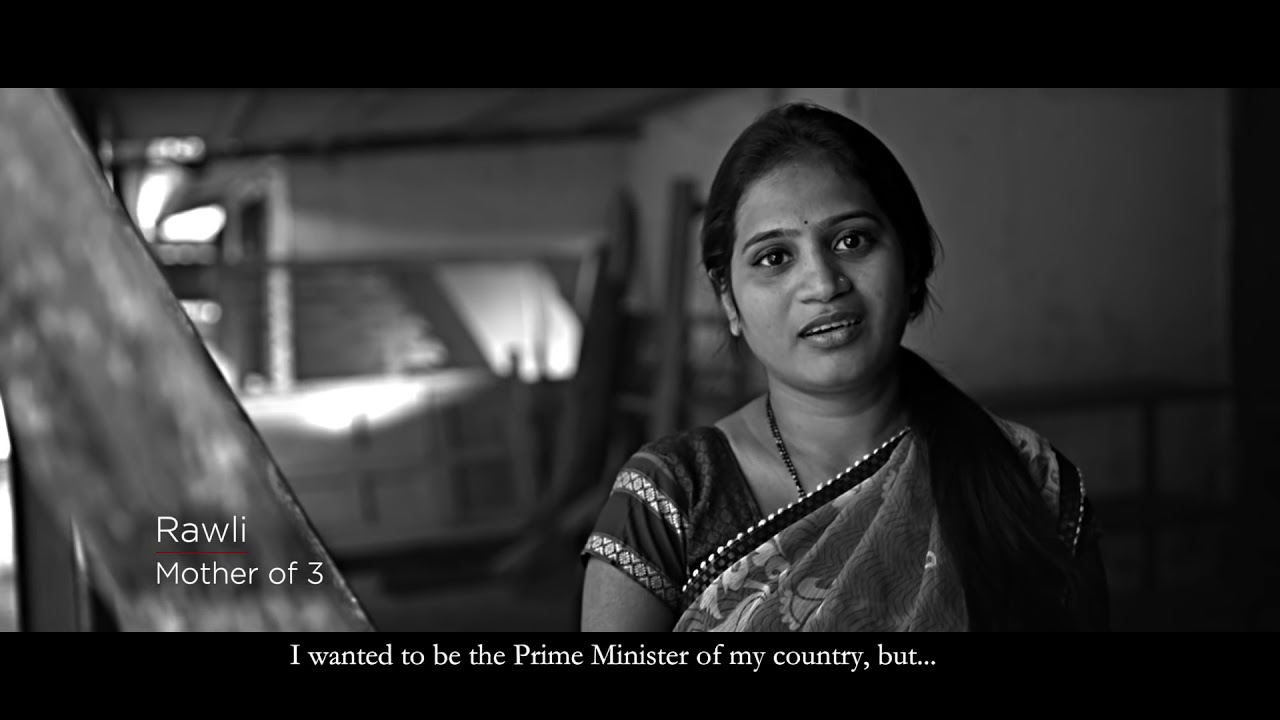 The production centered on a visual metaphor of "disappearance." In the launch film, girls in a classroom vanished one by one to represent the five days lost each month. To mirror this digitally, influencers like Miss Malini went "mysteriously offline" for five hours, sparking concern before revealing the blackout represented the period - induced isolation of rural girls. This strategy successfully engaged a roster of Bollywood talent, including Varun Dhawan, Arjun Kapoor, and Dia Mirza, who used their platforms to bridge the gap between urban privilege and rural poverty.
A Product Innovation Powerhouse
The campaign was built around Saafkins, developed by Livinguard Technologies. These were the world’s first reusable, antimicrobial, and self - disinfecting sanitary napkins. Technically advanced, they could be washed 60 times, were 80% biodegradable, and could hold 100ml of liquid. The impact was so significant that founder Ashok Kurien eventually presented the model to the World Health Organization (WHO) and the UN Refugee Programme to discuss global scalability for menstrual hygiene in developing nations.
Creative Strategy Deconstructed
Company
Ammada Trust offered Saafkins, a low - cost, reusable antimicrobial technology that made year - long menstrual protection affordable for everyone.
Category
Social initiatives often focus on dry statistics or medical facts, failing to create an emotional or visceral connection with urban donors.
Customer
Urban Indians felt disconnected from rural period poverty but were willing to help if the solution was simple and transparent.
Culture
Growing digital activism and the breaking of menstrual taboos in India created a window for a bold, influencer - led social movement.
Company
Ammada Trust offered Saafkins, a low - cost, reusable antimicrobial technology that made year - long menstrual protection affordable for everyone.
Category
Social initiatives often focus on dry statistics or medical facts, failing to create an emotional or visceral connection with urban donors.
Strategy:
Quantify a hidden social absence to transform a systemic educational barrier into a solvable micro - donation challenge.
Customer
Urban Indians felt disconnected from rural period poverty but were willing to help if the solution was simple and transparent.
Culture
Growing digital activism and the breaking of menstrual taboos in India created a window for a bold, influencer - led social movement.
Strategy:
Quantify a hidden social absence to transform a systemic educational barrier into a solvable micro - donation challenge.
Results
The campaign achieved significant social and financial impact, trending on social media within hours of launch and garnering thousands of shares, retweets, and pledges. It successfully crowdsourced funds to provide Saafkins to girls at a cost of just Rs. 150 ($2.30 USD) for a full year's supply, or Rs. 12 per month. The initiative addressed the fact that 1 in 5 girls in India drop out of school due to periods. The campaign won a Gold Glass Lion at Cannes 2017, a Graphite Pencil at the D&AD Impact Awards, and was recognized at Spikes Asia. The model was so successful it was presented to the World Health Organization (WHO) and the UN Refugee Programme for global scalability. High-profile support included a 5-hour blackout by Miss Malini and endorsements from Bollywood stars like Varun Dhawan and Arjun Kapoor.
1 in 5
Indian girls kept from dropping out of school
Rs. 150
Cost to provide a full year of menstrual protection
Gold
Cannes Glass Lion for Change winner
Strategy Technique
Make the Invisible Visible
Period poverty was a hidden taboo; the campaign forced the public to notice the absence of girls, transforming a private struggle into a public conversation about education and hygiene.
Explore Technique
Creative Technique
Dramatize the Problem
By making influencers and schoolgirls literally disappear from view, the campaign turned an invisible social issue into a tangible, jarring absence that demanded immediate attention and action.
Explore Technique
Craft Breakdown
The campaign masterfully bridges the gap between high-tech product innovation and emotive storytelling through a 'disappearance' metaphor that translated seamlessly from film to social media.
The 'social media blackout' by influencers successfully simulated the isolation of period poverty, creating a mystery that drove massive engagement.
The launch film used a haunting disappearance effect in a classroom setting to provide a literal visual representation of a statistical social crisis.
The campaign was built around the Saafkins innovation, the world's first antimicrobial, self-disinfecting, and reusable sanitary napkin.
Strategic timing around International Women's Day and the use of high-reach Bollywood influencers maximized the campaign's fundraising potential.
“The synergy between the physical product's low-cost efficiency and the digital 'disappearance' strategy turned a complex social taboo into a solvable, viral mathematical equation.”