World Vision: Lessons of Shame
World Vision Costa Rica challenged Havas Costa Rica to address the country's deteriorating education system and looming budget cuts. They needed to pressure the Legislative Assembly to increase funding. The goal was to mobilize public opinion and force politicians to act, targeting lawmakers and the general public during the critical first week of the school year when the crisis was most visible.
Creative Idea
Students turned the national congress gallery into a classroom to shame politicians into funding schools.
To protest failing school infrastructure, World Vision brought rural students into the Legislative Assembly to hold a live classroom session in the public gallery, shaming politicians into prioritizing education funding by literally bringing the problem to their workplace.
The Sixty Minute Stunt That Shook the Industry
A Classroom in the Gallery
To execute the activation, Havas Costa Rica and director Gustavo Loría coordinated a high - stakes guerrilla operation inside the Legislative Assembly. On March 4, 2025, while lawmakers debated, a group of children occupied the public gallery, transforming the space into a symbolic classroom. The production relied on the moral authority of the students to shame politicians in a country that prides itself on having "more teachers than soldiers." Despite the visual scale of the case study, the actual physical intervention lasted only 60 minutes.
The Seventy Three Million Dollar Question
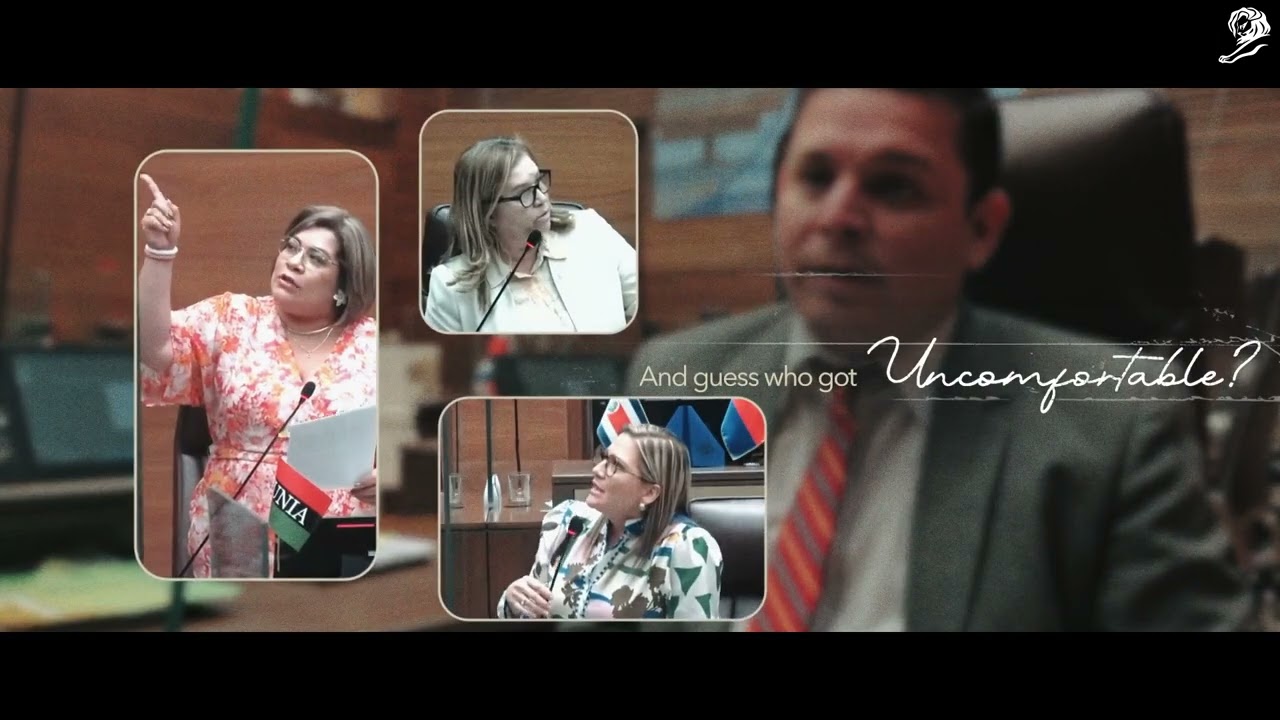 The campaign initially reported staggering success, claiming it directly secured a $73 million USD increase in the national education budget. These metrics, combined with zero paid media spend, helped the piece dominate the national news cycle for weeks. However, the campaign later became the center of a major Cannes Lions scandal. Industry critics and journalists questioned the "legitimacy" of the results, arguing that the budget increase was likely the result of long - term political negotiations rather than a one - hour stunt.
Redefining Award Integrity
Beyond its creative execution, "Lessons of Shame" left a permanent mark on the industry by sparking a global debate over case study embellishment. While the work was praised for its bold strategy, trade publications like *Campaign* noted it provided "lessons of legitimacy" for the advertising world. The controversy forced a re - evaluation of how festivals verify the direct causal link between a creative activation and massive legislative shifts, making it a landmark case for integrity standards in modern advertising.
Creative Strategy Deconstructed
Company
A global NGO with the moral authority to advocate for children's rights and access to quality education.
Category
Non-profits often rely on passive awareness campaigns or traditional protests that politicians can easily ignore or dismiss.
Customer
Citizens and lawmakers who felt a disconnect between the country's peaceful reputation and its decaying educational infrastructure.
Culture
The historical pride of a nation that abolished its army to fund schools, now facing a budget crisis.
Company
A global NGO with the moral authority to advocate for children's rights and access to quality education.
Category
Non-profits often rely on passive awareness campaigns or traditional protests that politicians can easily ignore or dismiss.
Strategy:
Weaponize national identity to shame institutional neglect by physically manifesting the crisis within the halls of power.
Customer
Citizens and lawmakers who felt a disconnect between the country's peaceful reputation and its decaying educational infrastructure.
Culture
The historical pride of a nation that abolished its army to fund schools, now facing a budget crisis.
Strategy:
Weaponize national identity to shame institutional neglect by physically manifesting the crisis within the halls of power.
Results
The campaign achieved significant political and social impact: the education budget was increased by +$73 million USD, reversing a previous cut of -38.75%. The action forced politicians into a live recess and shifted the national political agenda. 4 presidential candidates pledged to support school reform ahead of the Costa Rican elections. The initiative received widespread media coverage, including reports on Extra TV and TN7, and sparked a social media conversation with numerous supportive comments and shares. The protest was described as '60 minutes that changed everything' by La Nación.
+$73M
increase in education budget
4
presidential candidates pledged support
100%
shift in political agenda
Strategy Technique
Attack a Cultural Blind Spot
It exposed the hypocrisy of a nation that prides itself on education while allowing its schools to rot, forcing a confrontation between national identity and current political neglect.
Explore Technique
Creative Technique
Unexpected environment
By placing students in the high-stakes environment of a live legislative session, the campaign created an unavoidable physical confrontation that forced politicians to witness the very reality they were ignoring.
Explore Technique
Craft Breakdown
The campaign's strength lies in its powerful experiential design and the sharp contrast created through art direction between the neglected schools and the opulent congress.
The core of the campaign is the physical transformation of a political space into a classroom, creating an unavoidable confrontation.
The visual juxtaposition between the decaying schools and the $149M congress building effectively communicates the campaign's message without words.
The use of the phrase 'Lessons of Shame' and the concise, impactful voiceover provide a clear and compelling narrative framework.
Strategically timing the protest for the first day of school and the opening of the legislative session ensured maximum visibility and impact.
“The synergy between the physical activation (Experiential Design) and the visual storytelling (Art Direction) makes the message both undeniable and emotionally resonant.”