Peta Asia: Behind The Leather
PETA Asia challenged Ogilvy Bangkok to confront affluent Thai consumers about the cruelty of the exotic skins industry. The goal was to bridge the emotional gap between high-end fashion and animal suffering, specifically targeting shoppers in luxury malls who were disconnected from the origins of their leather accessories.
Creative Idea
Shoppers opened luxury leather bags to find realistic, pulsating animal organs and blood inside.
PETA opened a fake luxury boutique in a high-end mall, tricking shoppers into finding realistic, beating animal organs inside leather goods to force a visceral confrontation with the brutal reality of the exotic skins industry at the point of purchase.
The Luxury Boutique That Bled
Pulsating Organs and Light Sensors
To achieve the visceral "reveal," Ogilvy & Mather Bangkok partnered with production house Meour Bangkok to engineer hyper-realistic synthetic anatomy. The "luxury" items were far more than props; they were complex mechanical installations. Each handbag and jacket was fitted with custom-made mechanical organs and programmed with light sensors. When a shopper unzipped a product, the sudden exposure to light triggered the mechanism, causing hearts to beat and intestines to writhe. To heighten the sensory shock, gloves and shoes were lined with a blood-like substance designed to smear onto the skin of anyone trying them on.
Targeting the Heart of the Trade
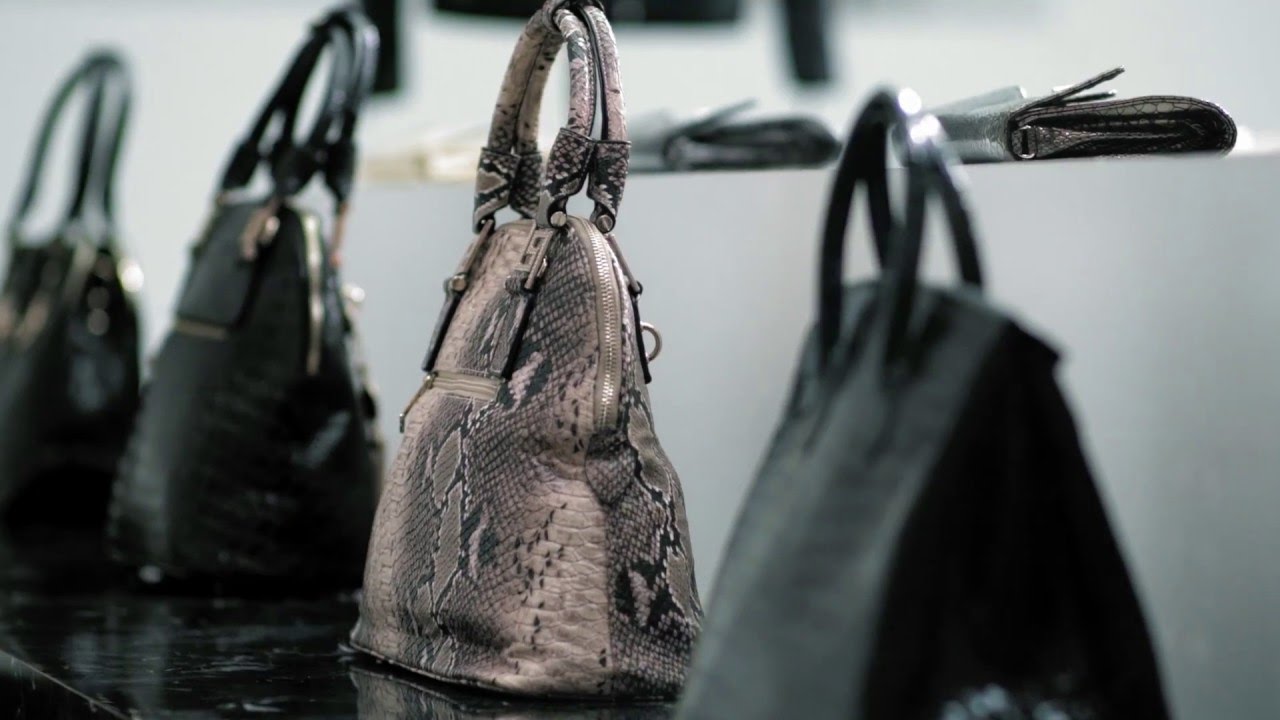 The choice of CentralWorld in Bangkok was a calculated strike. Thailand is home to the world’s largest crocodile farming industry, housing approximately 700,000 crocodiles annually. Creative leaders Puripong Limwanatipong and Nopadol Srikieatikajohn designed the fake brand, "The Leather Work," to be so indistinguishable from a high-end boutique that shoppers entered with the intent to buy. Limwanatipong noted that the goal was to force consumers to see that every product caused a "sensitive animal to endure a miserable life."
A Viral Catalyst for Industry Change
The campaign’s impact extended far beyond its 50 million social media views and 30 million person reach. It is credited as a pivotal moment in the movement that saw luxury giants like Chanel, Gucci, and Burberry eventually ban exotic skins. The stunt was so effective that Ogilvy & Mather Bangkok was named PETA’s Company of the Year in 2016. What began as a local pop-up in a Thai mall evolved into a global case study for "guilt-based" marketing, forcing a confrontation at the exact moment of consumer desire.
Creative Strategy Deconstructed
Company
PETA's uncompromising commitment to animal rights and their ability to create provocative, headline-grabbing stunts.
Category
The luxury industry sanitizes animal products, presenting exotic skins as status symbols while hiding the gore of production.
Customer
Consumers desire the prestige of exotic leather but remain emotionally detached from the living animals they once were.
Culture
Growing ethical consumerism in Asia and the shock value of hyper-realistic practical effects in public spaces.
Company
PETA's uncompromising commitment to animal rights and their ability to create provocative, headline-grabbing stunts.
Category
The luxury industry sanitizes animal products, presenting exotic skins as status symbols while hiding the gore of production.
Strategy:
Disrupt the sanitized luxury experience by physically reinserting the biological reality of the source into the final product.
Customer
Consumers desire the prestige of exotic leather but remain emotionally detached from the living animals they once were.
Culture
Growing ethical consumerism in Asia and the shock value of hyper-realistic practical effects in public spaces.
Strategy:
Disrupt the sanitized luxury experience by physically reinserting the biological reality of the source into the final product.
Strategy Technique
Attack a Cultural Blind Spot
It targets the cognitive dissonance of luxury consumers who admire exotic skins while ignoring the sentient life lost, forcing them to acknowledge a brutal truth they habitually overlook during the act of consumption.
Explore Technique
Creative Technique
Expose the Hidden
By physically placing realistic organs inside luxury items, the campaign literally exposes the hidden suffering of animals, transforming a sterile shopping experience into a visceral, unforgettable encounter with the industry's dark reality.
Explore Technique
Craft Breakdown
This campaign's craft is exceptional due to its visceral and shocking use of practical effects to create a powerful message about animal cruelty. The contrast between the luxury setting and the gruesome reality is masterfully executed.
The creation of a physical pop-up shop that directly confronts consumers with the reality of their purchases is a brilliant and impactful execution.
The realistic and gruesome animatronic organs and blood effects are incredibly well-crafted and essential to the campaign's shock value.
The clean, high-end look of the boutique is perfectly captured, making the subsequent reveals even more jarring.
The genuine-looking reactions of the shoppers (whether staged or real) are crucial for conveying the intended emotional impact.
“The synergy between the pristine production design of the boutique and the visceral practical effects creates a powerful and unforgettable experience.”