The 2010s represent the moment advertising stopped shouting at the dinner table and finally tried to get invited to the party. We moved from the era of "Buy Now" to the era of "Watch This," where the skip button became the industry's most terrifying and effective creative director. This decade was defined by a radical realization: the internet is a shared cultural space, not a broadcast booth. To survive, brands had to stop making commercials and start making contributions.
The shift began with a gamble on digital intimacy over traditional secrecy. Before 2011, Super Bowl spots were guarded like state secrets, but VW: The Force upended the playbook by releasing its "extended cut on YouTube four days before the game." It generated 8 million views before the first whistle even blew, proving that curiosity was a more powerful engine than a forced media buy. This was the decade where we learned that the audience doesn't hate advertising; they just hate being bored. Brands started behaving like filmmakers, social scientists, and activists to earn the right to exist on a timeline.
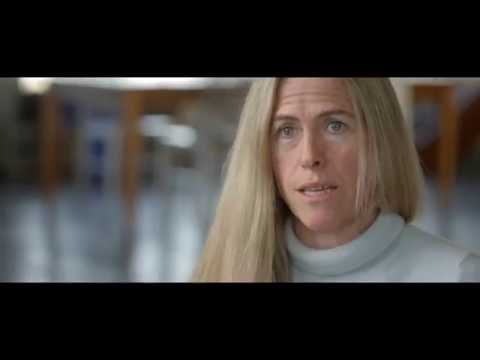
As the decade matured, the industry pivoted from selling products to selling perspectives. Brands became mirrors, reflecting our insecurities and our aspirations back at us with documentary precision. Dove: Beauty Sketches remains the gold standard of this "purpose - led" shift, produced for a modest "$925,000 but generating an estimated $52 million in earned media exposure." It wasn't just a video; it was a forensic experiment that attacked a universal human truth. Most brands try to join the conversation by being loud, but the icons of the 2010s succeeded by being meaningful.
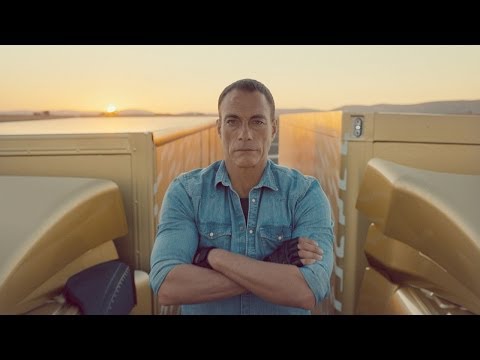
The true through - line of this era is the marriage of extreme craft and high - stakes risk. When we look at Volvo Trucks: The Epic Split, we aren't just looking at a technical demonstration of steering; we are watching a martial arts legend perform at the golden hour with "precision drivers maintaining a steady reverse speed of 25 km/h." There is a commitment to authenticity here that most modern "content" lacks. The decade’s best work asked a radical question: would the audience pay to own this? Metro Train Safety: Dumb Ways to Die answered with a "catchy folk song that reached the iTunes Top 10 in 24 countries" within 24 hours. The animation was completed in just five weeks using Adobe Flash, yet it became a global franchise because it chose to be a songwriter instead of a lecturer.
Buying Craft Is Cheaper Than Buying Attention
This playlist differs from others because it captures the "growing pains" of an industry trying to find its soul in a digital world. We see brands moving away from the monologue and toward the "utility" model, where the ad actually does something for the user. Whether it was helping girls reclaim an insult or using data to map the world, the strategy was to build an asset, not just a message. P&G Always: Like a Girl utilized a "social by design" brief that was reportedly drafted on an airplane, proving that the best ideas often come from a singular, sharp observation about a cultural blind spot. It wasn't about the soap; it was about the girl.
The decade also rewarded those who obsessed over the "how" as much as the "what." In Chipotle: Back to the Start, the production team "utilized a 50 - foot set inside a 20 - foot room," dismantling finished sections on the left to rebuild new environments on the right as the camera moved. This level of physical dedication to a stop - motion film about sustainable farming is what separates an icon from a forgotten post. They didn't just claim to care about the message; they committed to the craft of the fight. It was a decade where the production value became the strategy itself, turning a simple brand story into a cinematic event.

The legacy of the 2010s is the death of the generic. These campaigns are remembered because they were "loud by being quiet," or weird by being honest, or brave by being political. They took stands when it was easier to stay neutral. They spent their budgets on directors and artists rather than just flooding the zone with unremarkable banners. Most brands today fail because they try to "hack" the algorithm, but the 2010s proved that the only real hack is being interesting. Whether it was a truck company filming a stunt at dawn or a burger brand publicly trolling its rival, the winners were those who realized that in a world of infinite choice, the greatest luxury is a conversation worth having. We didn't just grow up; we finally learned how to listen.