Estadão Digital: Songs of Violence
Estadão Digital tasked FCB São Paulo with sparking a national conversation about the normalization of violence against women in Brazil. They wanted to reach a younger, digitally-active audience that frequently consumes popular music. The goal was to move beyond traditional reporting and create a disruptive experience that forced people to acknowledge the misogyny embedded in their daily entertainment habits.
Creative Idea
Hijacked Shazam to replace violent song lyrics with real-life testimonials from abuse survivors.
Estadão partnered with Shazam to intercept users identifying songs with violent lyrics, replacing expected information with harrowing real-life testimonials from abuse survivors. It worked by hijacking a passive entertainment moment to force a visceral confrontation with the literal meaning of the music.
The 94 Percent Who Stopped Listening
The Tech Behind the Hijack
To execute the campaign, FCB Brasil utilized Shazam’s API to "tag" a curated database of 300 songs. The selection spanned both Brazilian hits and international tracks, including graphic songs like D12’s "Fight Music". When the app identified a flagged track, it bypassed the standard purchase links, instead displaying a banner warning: "This song contains violence against women." Users were then met with real testimonials from survivors whose experiences mirrored the specific trauma described in the lyrics. This "Creative Data" approach transformed a utility app into a narrative tool for social reflection.
Disrupting the 2016 Cultural Climate
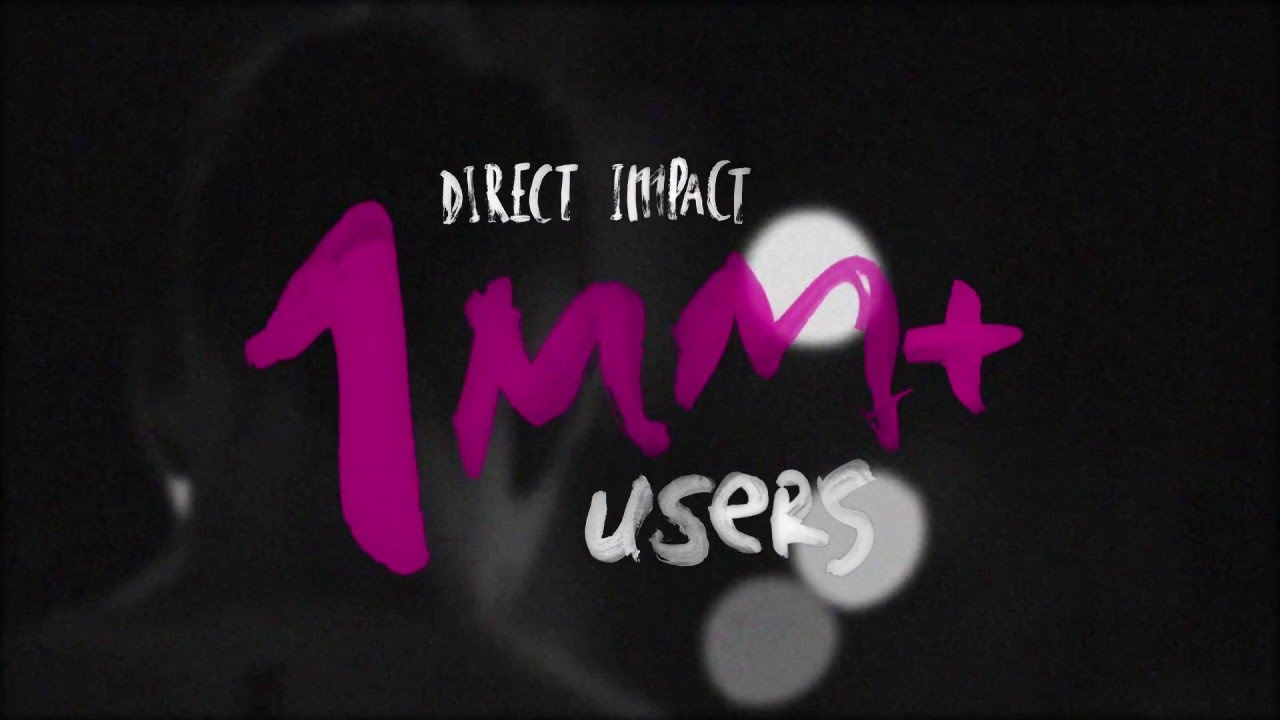 Launched during a period of intense national debate regarding "rape culture" in Brazil, the project achieved a direct reach of over 1 million users. The most significant metric for the team was the "abandonment rate" - only 6% of users chose to download or purchase a song after hearing the survivor's story. This data point proved that the normalization of violence relied heavily on passive listening.
From Digital Tags to Street Protests
The campaign’s influence extended far beyond the app. Following its release, organizers of Carnival street parties (Blocos) across Brazil began mobilizing to ban or discourage traditional songs that promoted sexist or violent themes. As Executive Creative Director Fábio Simões noted, the goal was to dismantle the excuse that sexism is merely "a cultural thing." By forcing listeners to confront the literal meaning of the music they were nodding along to, the initiative turned a passive entertainment moment into a catalyst for legislative and social shifts.
Creative Strategy Deconstructed
Company
A leading news organization committed to investigative journalism and social transparency.
Category
Music apps and media platforms usually treat lyrics as harmless entertainment or data points for consumption.
Customer
Listeners often enjoy catchy melodies while remaining oblivious or indifferent to the violent, misogynistic messages in the lyrics.
Culture
Brazil was facing a massive public debate regarding the normalization of violence against women in popular culture.
Company
A leading news organization committed to investigative journalism and social transparency.
Category
Music apps and media platforms usually treat lyrics as harmless entertainment or data points for consumption.
Strategy:
Interrupt passive consumption of harmful content by replacing entertainment with the visceral reality of its consequences.
Customer
Listeners often enjoy catchy melodies while remaining oblivious or indifferent to the violent, misogynistic messages in the lyrics.
Culture
Brazil was facing a massive public debate regarding the normalization of violence against women in popular culture.
Strategy:
Interrupt passive consumption of harmful content by replacing entertainment with the visceral reality of its consequences.
Results
The campaign achieved significant impact with over 1 million users reached. Out of these, only 6% of users proceeded to download the songs after receiving the alert and hearing the testimonials. The remaining 94% were redirected to a website where they could donate to an NGO supporting victims of violence instead of spending money on the tracks. The campaign successfully shifted consumer behavior and raised awareness about the normalization of abuse in entertainment.
1M+
direct impact users
6%
song download rate after alert
94%
users redirected to NGO donations
Strategy Technique
Attack a Cultural Blind Spot
It exposed how society ignores graphic violence against women when it is packaged as catchy pop music. By making the invisible lyrics visible through real trauma, it challenged the normalization of rape culture.
Explore Technique
Creative Technique
Hijack the Medium
The campaign turned Shazam from a utility for music discovery into a tool for social activism. By intercepting the user's search intent, it forced them to confront the reality behind the lyrics they were enjoying.
Explore Technique
Craft Breakdown
The campaign's brilliance lies in its digital craft, hijacking a popular utility app to deliver a gut-punching message at the exact moment of consumption.
The seamless integration with the Shazam API to trigger custom alerts based on lyrical content is a masterclass in utility-based activism.
The aggressive, hand-painted pink lettering creates a visceral visual identity that cuts through the black and white footage.
“The synergy between the technical execution of the app and the raw emotional power of the survivor testimonials creates a disruptive and unignorable user experience.”