Activision: Hostile Takeover
Activision challenged AKQA San Francisco to generate massive hype for Call of Duty: Infinite Warfare among players who were still obsessed with Black Ops III. They needed to bridge the gap between the two titles and drive pre-orders by engaging the core community in a way that felt authentic to the franchise's high-stakes, immersive storytelling.
Creative Idea
Hacked a live video game to launch its sequel through a cross-platform scavenger hunt.
Activision orchestrated a 'hostile takeover' of Call of Duty: Black Ops III by the upcoming Infinite Warfare, using in-game events and an AI chatbot to turn a traditional trailer reveal into an immersive, community-driven alternate reality game.
The First Time a Live Game Hacked Itself
6 Million Messages in 24 Hours
The campaign achieved unprecedented scale, generating 266 million total impressions and 2.77 million social engagements. Within the first day of the "takeover," the AI chatbot exchanged over 6 million messages with fans. This massive engagement successfully transitioned the player base from *Black Ops III* into the pre-order cycle for *Infinite Warfare*, proving that a current product could be used to effectively market its own successor.
Breaking the Fourth Wall with Lt. Reyes
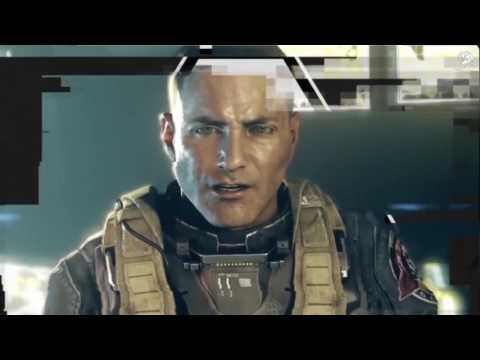 Creative Director Simone Nobili and the team at AKQA San Francisco collaborated directly with Infinity Ward and Facebook’s engineering team to build a narrative bridge. For the first time in gaming history, a developer allowed an agency to "hack" a live, top-selling title. Players in *Black Ops III* witnessed an enemy warship from the unreleased game appear over the Nuketown map, while propaganda posters replaced existing assets in real-time. To unlock the reveal trailer, players had to find a 12-digit code hidden in the game environment and "report" it to the Lt. Reyes chatbot on Messenger.
A Villain from Westeros
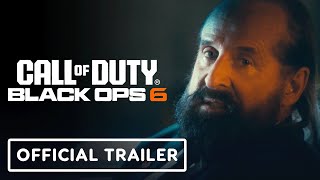
The campaign introduced the game’s antagonist, Admiral Salen Kotch, portrayed by *Game of Thrones* star Kit Harington. His faction, the Settlement Defense Force (SDF), served as the "hackers" behind the takeover. The integration was so seamless that many players initially believed their consoles had been legitimately compromised or were experiencing a glitch. This "transmedia storytelling" approach moved the industry away from traditional trailer drops toward interactive, community-driven events that rewarded the most observant fans.
Creative Strategy Deconstructed
Company
Activision had a massive, active player base still deeply engaged with the previous Call of Duty title.
Category
Game publishers usually rely on traditional cinematic trailer drops and standard social media announcements to generate hype.
Customer
Hardcore gamers crave immersion and exclusive 'insider' knowledge that makes them feel part of the game's universe.
Culture
The rise of ARGs and chatbot technology allowed for seamless storytelling across gaming platforms and social messaging apps.
Company
Activision had a massive, active player base still deeply engaged with the previous Call of Duty title.
Category
Game publishers usually rely on traditional cinematic trailer drops and standard social media announcements to generate hype.
Strategy:
Leverage existing player ecosystems to host immersive narrative invasions that transform marketing into a playable community event.
Customer
Hardcore gamers crave immersion and exclusive 'insider' knowledge that makes them feel part of the game's universe.
Culture
The rise of ARGs and chatbot technology allowed for seamless storytelling across gaming platforms and social messaging apps.
Strategy:
Leverage existing player ecosystems to host immersive narrative invasions that transform marketing into a playable community event.
Results
The campaign achieved massive engagement across multiple platforms: 6 million bot messages on Facebook within the first 24 hours, 266 million total impressions, 2.77 million engagements, 31.4 million video views, and 1.8 million social mentions. It was praised by major outlets like VentureBeat, Entertainment Weekly, Mashable, Polygon, and GameSpot for its inventive use of chatbots and in-game storytelling.
6M
bot messages in 24 hours
266M
total impressions
31.4M
video views
Strategy Technique
Celebrate the Super-Fans
By hiding clues within the game and requiring community collaboration, Activision empowered its most dedicated players to lead the narrative, transforming them from mere consumers into active protagonists of the launch.
Explore Technique
Creative Technique
Gamification
The campaign turned the product reveal into a multi-day scavenger hunt, requiring players to solve complex in-game puzzles and interact with an AI chatbot to unlock the trailer, rewarding active participation over passive consumption.
Explore Technique
Craft Breakdown
This campaign excels through its seamless integration of narrative across disparate platforms, turning a standard trailer drop into a global community event. The use of AI and in-game environmental storytelling creates a level of immersion rarely seen in traditional advertising.
The deployment of a sophisticated AI chatbot on Facebook Messenger to drive a complex, multi-stage ARG was pioneering for its time.
The strategy of 'invading' an older game to promote a new one utilized existing player behavior to create organic reach.
The dialogue for the chatbot and the villain's propaganda effectively established the high-stakes tone of the new game's universe.
Transforming the Nuketown map into a live stage for a narrative event provided a visceral, shared experience for the community.
“The magic lies in how the technology of the chatbot served the narrative experience, making players feel like active participants in the game's story before it even launched.”