Global Road Safety: SMS Last Words
Global Road Safety Partnership challenged Havas Worldwide Shanghai to address the epidemic of texting while driving in China. With one death occurring every eight minutes, traditional PSAs were failing to change behavior. The goal was to create a high - impact initiative for National Traffic Safety Day that would shock drivers out of their complacency and make the fatal risks of mobile phone use feel personal.
Creative Idea
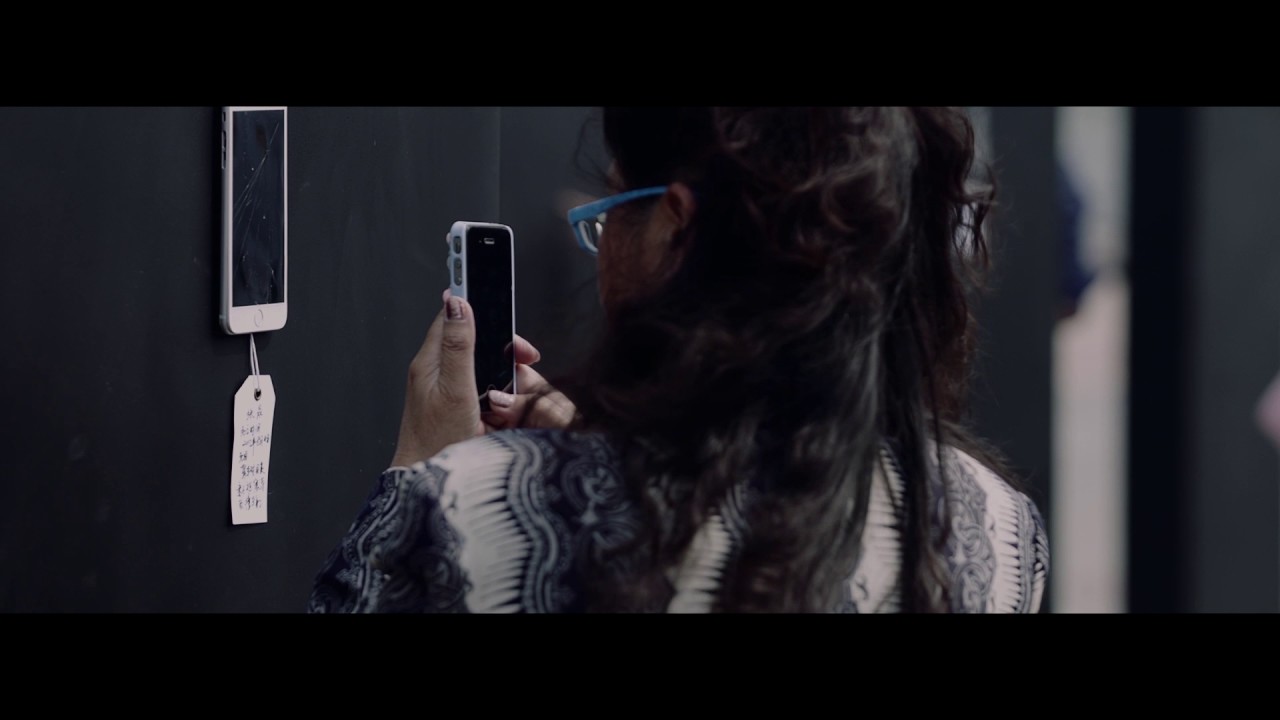
Smashed phones from fatal accidents were displayed as tombstones showing the victims' final texts.
To combat distracted driving in China, the campaign transformed 350 smashed phones from fatal accidents into digital tombstones. By displaying the mundane last messages sent before death, it turned abstract statistics into a visceral, hauntingly relatable human tragedy.
The Cemetery of Technology and Final Texts
350 Smashed Memorials
To move beyond abstract statistics, Havas Worldwide Shanghai sourced 350 mobile phones that were physically recovered from the scenes of fatal accidents. These devices were mounted onto black, rectangular slabs to create a "cemetery of technology." The production team ensured each phone was powered to display the actual last SMS message recovered from police records and grieving families. The mundane nature of the texts - ranging from "I'll be home soon" to "What's for dinner?" - served as a haunting paradox against the violent, shattered screens of the devices.
National Conversation and Cultural Weight
Launched on December 2, 2015, to coincide with China’s National Traffic Safety Day, the installation in Shanghai reached millions through a viral case study film titled "SMS Last Words" (短信遗言). The campaign provided the emotional weight necessary to support the Chinese government’s implementation of stricter traffic laws. By sparking a nationwide conversation on Weibo and WeChat, the initiative shifted the narrative from legal enforcement to the human cost of a single notification.
Leadership and Industry Benchmark
Under the leadership of Donald Chan and Ben Sun, the campaign became a benchmark for Experiential Design. Industry experts praised the work for its "paradox of integrating traditional values (tombstones) with technology." It proved that physical, ambient objects could tell a more compelling story than traditional digital banners or TV commercials, particularly in a market where one person dies every eight minutes due to mobile phone use while driving.
Creative Strategy Deconstructed
Company
A global safety organization with access to accident records and a mission to reduce road fatalities.
Category
Road safety ads usually rely on shocking crash footage or dry statistics that drivers easily tune out.
Customer
Drivers feel invincible and believe a quick text is harmless, disconnected from the permanent finality of a crash.
Culture
The rise of smartphone addiction in China created a deadly cultural blind spot regarding mobile use while driving.
Company
A global safety organization with access to accident records and a mission to reduce road fatalities.
Category
Road safety ads usually rely on shocking crash footage or dry statistics that drivers easily tune out.
Strategy:
Transform abstract mortality statistics into intimate, relatable artifacts to bridge the gap between behavior and consequence.
Customer
Drivers feel invincible and believe a quick text is harmless, disconnected from the permanent finality of a crash.
Culture
The rise of smartphone addiction in China created a deadly cultural blind spot regarding mobile use while driving.
Strategy:
Transform abstract mortality statistics into intimate, relatable artifacts to bridge the gap between behavior and consequence.
Results
The exhibition had a significant impact on public safety and awareness. The campaign reached billions of drivers through media coverage. Most notably, in the first quarter of the year following the campaign, accidents due to texting while driving in China decreased by 48%. The exhibition was widely praised by major media outlets including CCTV, Sina, NetEase, and Sohu, described as an 'awesome exhibition to waken people's consciousness' and a 'powerful warning.'
-48%
decrease in texting-related accidents
350
actual phones collected from victims
Billions
of drivers reached
Strategy Technique
Turn Data Into Drama
Instead of citing the statistic that one person dies every eight minutes, the campaign dramatizes that data by showing the specific, mundane final moments of 350 real victims.
Explore Technique
Creative Technique
Exhibit the Truth
It curates real, physical evidence of tragedy - shattered phones and actual text logs - to create an undeniable exhibition of consequences that forces viewers to confront the reality of distracted driving.
Explore Technique
Craft Breakdown
The campaign's power lies in its visceral experiential design and the raw authenticity of using real artifacts from fatal accidents.
The creation of a physical 'graveyard' of monoliths turns a digital habit into a tangible, unavoidable tragedy.
The minimalist design of the monoliths and the use of real shattered phones creates a powerful visual metaphor for broken lives.
The high-contrast, intimate portraiture in the opening captures human suffering with unflinching clarity.
The simple, direct translation of the victims' final texts provides a devastating emotional punch without needing embellishment.
“The synergy between the stark physical installation and the intimate human stories told through the text messages creates a profound sense of empathy.”