AT&T: Close To Home
AT&T needed BBDO New York to evolve the "It Can Wait" platform for a new era of smartphone addiction. While texting while driving was widely condemned, drivers still rationalized "glancing" at social media. The goal was to shift public perception from "don't text" to "don't look," targeting all drivers to reduce distracted driving fatalities by making the consequences feel personal and unavoidable.
Creative Idea
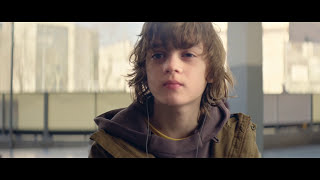
A cinematic car crash reversed in slow-motion to deconstruct the fatal cost of a glance.
AT&T dramatized the devastating ripple effect of a single "glance" at a smartphone by deconstructing a fatal car crash in haunting slow-motion, proving that no digital notification is worth the cost of a human life.
The Fatal Weight of a Single Glance
Deconstructing the Preventable Tragedy
Director Frédéric Planchon utilized a haunting "reverse" sequence to show the accident "un-happening," emphasizing that the tragedy was entirely avoidable. To capture the visceral, slow-motion impact of the collision, the production team employed multiple cameras and specialized high-speed rigs. The crash was achieved through practical stunt work with minimal CGI to maintain a raw, terrifying reality. The sound design by Grooveworx intentionally paired a nursery song with a high-pitched ringing to create what critics described as a "nightmare" atmosphere.
Redefining the It Can Wait Movement
Before this 2015 launch, the It Can Wait initiative focused almost exclusively on texting. This campaign successfully rebranded the movement to address the broader danger of social media, selfies, and web surfing. It introduced the industry-standard concept of "the glance," forcing drivers to acknowledge that even a one-second look at a notification is a fatal distraction. The film became so culturally pervasive that it was integrated into driver’s education programs across the USA.
Viral Reach and Behavioral Change
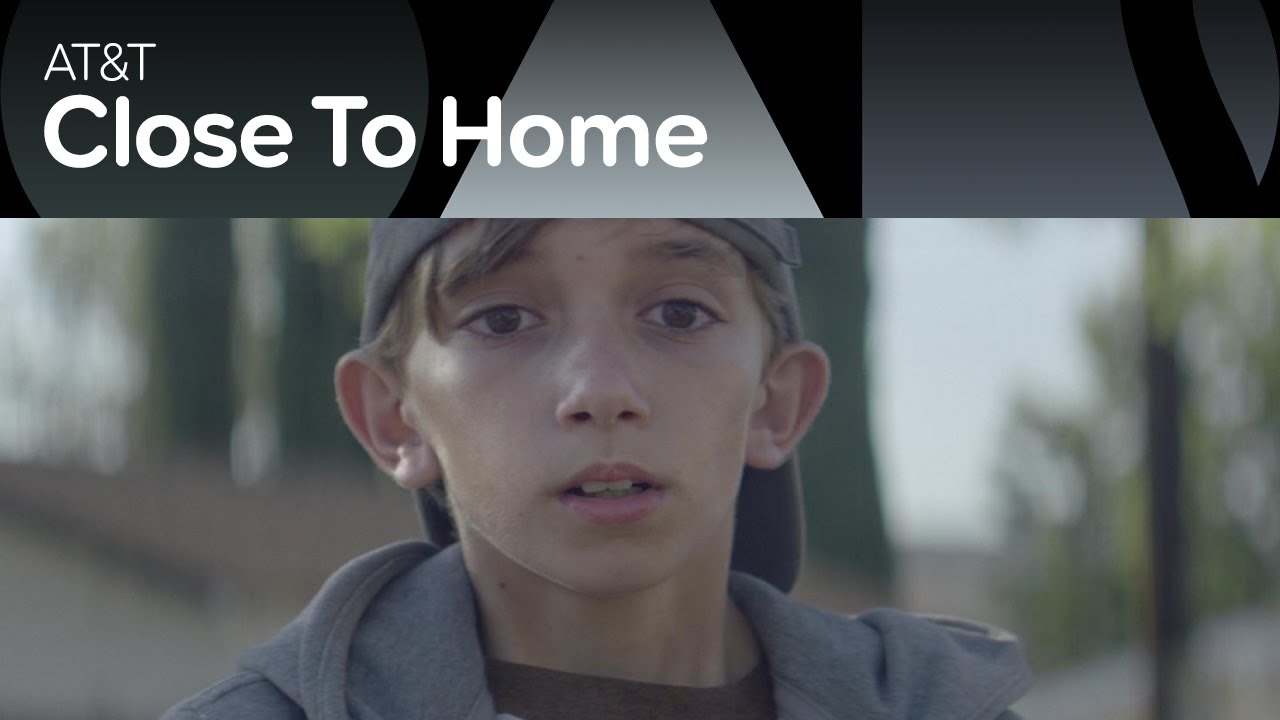
The four-minute short film achieved massive scale, being shared over 1 million times on Facebook within days of its release. By 2018, the campaign helped drive total pledges to never drive distracted to over 23 million people. The film’s impact was so immediate that it reportedly caused the Creativity-Online website to nearly crash due to the sudden influx of traffic. David Lubars, CCO of BBDO Worldwide, noted the goal was to "make the invisible visible," highlighting how a seemingly harmless habit can destroy multiple lives in an instant.
Creative Strategy Deconstructed
Company
A long-standing commitment to road safety through the established "It Can Wait" platform and massive reach as a carrier.
Category
Safety campaigns often focused on the act of texting, ignoring the newer, more pervasive habit of checking social media notifications.
Customer
Drivers who felt texting was dangerous but rationalized that a quick "glance" at an alert was harmless and under control.
Culture
The evolution of smartphones into addictive, always-on companions that made social media validation more urgent than road safety.
Company
A long-standing commitment to road safety through the established "It Can Wait" platform and massive reach as a carrier.
Category
Safety campaigns often focused on the act of texting, ignoring the newer, more pervasive habit of checking social media notifications.
Strategy:
Dramatize the catastrophic potential of minor distractions to transform a casual habit into a moral weight.
Customer
Drivers who felt texting was dangerous but rationalized that a quick "glance" at an alert was harmless and under control.
Culture
The evolution of smartphones into addictive, always-on companions that made social media validation more urgent than road safety.
Strategy:
Dramatize the catastrophic potential of minor distractions to transform a casual habit into a moral weight.
Strategy Technique
Make the Invisible Visible
It takes the "harmless" habit of glancing at a phone - something usually ignored or minimized - and visualizes its catastrophic physical and emotional consequences in visceral detail.
Explore Technique
Creative Technique
Spacetime Warp
By reversing the collision in slow-motion, the film forces viewers to witness the preventable nature of the tragedy and the exact moment a split-second choice destroyed multiple lives.
Explore Technique
Craft Breakdown
The ad's power lies in its exceptional visual effects and editing, which transform a common safety warning into a visceral, haunting experience by deconstructing a split-second tragedy.
The seamless integration of CGI and practical elements in the reverse-motion crash sequence is technically brilliant and emotionally devastating.
The expert cross-cutting between mundane activities creates a palpable sense of dread as the characters' paths inevitably collide.
The use of natural light and intimate camera angles makes the characters feel real and relatable, heightening the impact of the tragedy.
The contrast between the delicate piano score and the jarring, visceral sounds of the crash creates a powerful sensory experience.
“The synergy between the slow-motion visual effects and the rhythmic editing allows the viewer to process the horror of the accident in a way that a real-time crash would not permit.”