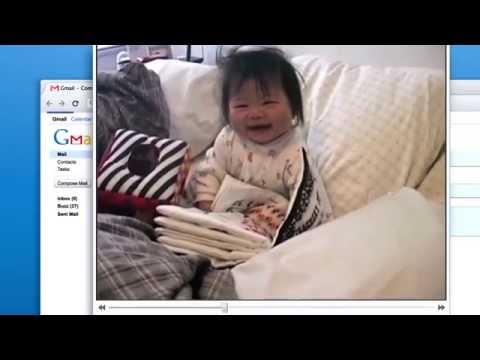
Advertising is usually a contest of who can shout the loudest, but the most expensive real estate in the industry isn't a Super Bowl slot - it is the lump in a viewer's throat. While most brands settle for "sad-vertising" by numbers, leaning on generic piano chords and slow-motion sunsets, the campaigns in this collection treat empathy as a high-precision tool. They don't just want you to feel; they want to highjack your limbic system and leave a permanent mark on your memory. This isn't about being manipulative - it is about the radical honesty required to make a brand feel like a human neighbor rather than a corporate vendor.
The through-line here is a brutal commitment to the "unpolished" truth. In Google Chrome: Dear Sophie, the magic isn't in the browser's speed, but in the digital intimacy of a father’s time capsule. This aesthetic of "digital realism" was no accident; the directors were fresh off the documentary Catfish and intentionally avoided high-gloss cinematography to mimic a real father’s archive. We see this same rejection of the "ad-like" in Save the Children: Most Shocking Second a Day. To cut through war fatigue, the agency pitched "17 different concepts before landing on the one second a day format," filming the entire harrowing narrative in just two days to ensure the "What If?" scenario felt immediate and universal rather than distant and theatrical.
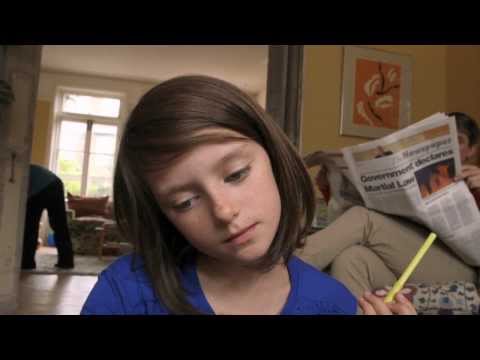
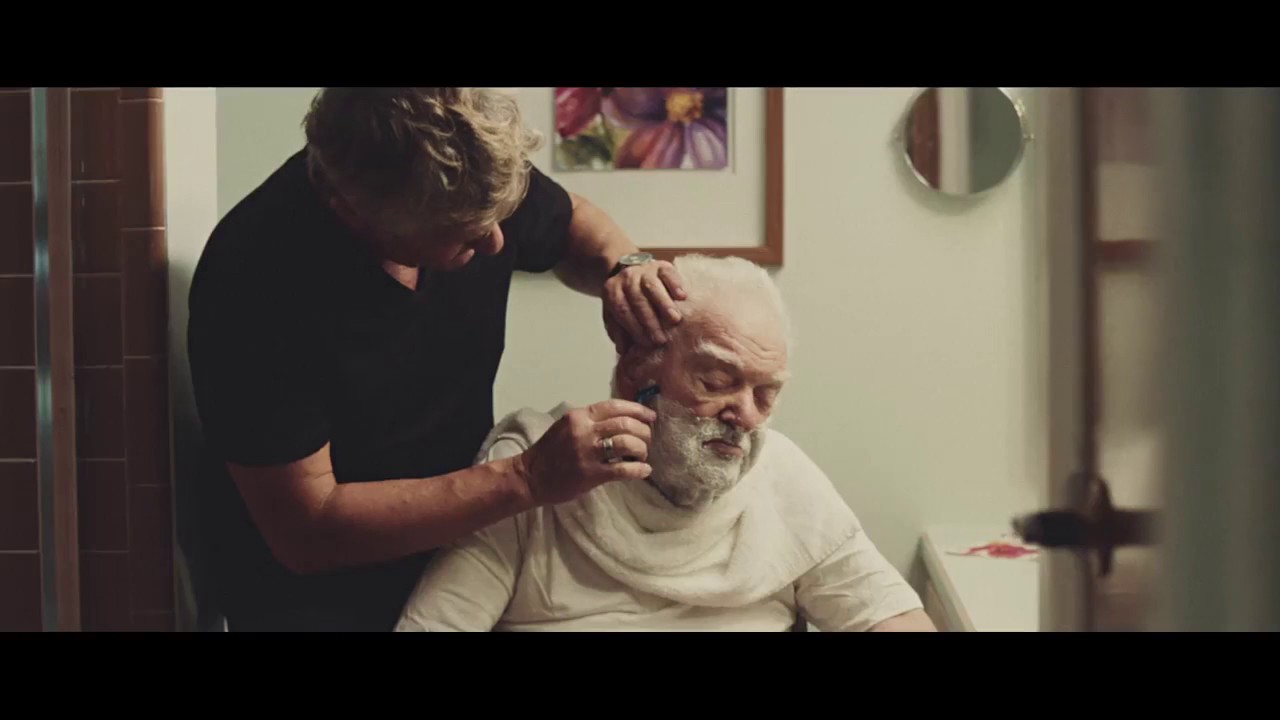
What sets these apart from the average tear-jerker is their defiance of the industry's obsession with brevity. Most marketers live in fear of the skip button, but these creators realized that a profound human story earned the right to take up space. Take Pantene: Deaf Violinist, a four-minute masterpiece that spent "nearly two years" in a battle to be greenlit because the client was hesitant about a shampoo ad with no spoken dialogue. Similarly, Gillette: Handle With Care moved beyond the screen to solve a physical problem. It originated from social listening rather than a product brief, resulting in the "fastest new product to shelf in P&G history" by bypassing traditional R&D cycles to create a razor specifically for caregivers.
This level of commitment shifts the brand's role from a spectator to an active participant in the human experience. These ads work because they find the "missing conversation" - the things we think about but rarely see on a billboard. They transform data into drama and utility into legacy. By the time the logo appears, you aren't thinking about a transaction; you are thinking about your own daughter, your own father, or the stranger you passed on the street. It is a reminder that in an era of algorithmic optimization, the most effective strategy is still a well-timed, genuine sob.
The High Price of a Genuine Sob
Iconic status in this category is bought with craft, not just media spend. These campaigns succeed because they lean into the specific rather than the vague. Petronas: Tan Hong Ming became a legend not because of a script, but because of a "whisper behind the lens" when the director realized she had captured a moment of childhood innocence that no writer could manufacture. By the time we get to CALM x ITV - The Last Photo, the strategy has evolved into a moral imperative. By timing the launch on the "happiest day of the year" and using "50 unbranded, 6.5 foot high portraits" of smiling faces, the campaign weaponized the irony of joy to reveal the invisible crisis of suicide.
If you aren't willing to risk a little heartbreak, you are probably just making noise. The campaigns in this library prove that the most unforgettable ads don't end when the music fades; they live in the quiet, reflective moments after you have finally reached for the tissue.