KPN: Evert_45
KPN wanted to reinforce its role as a connector in Dutch society. They tasked N=5 Amsterdam with finding a way to keep WWII stories alive for a younger generation that felt disconnected from traditional history. The goal was to engage 10 - 18 year olds with historical narratives during the national remembrance period, ensuring the lessons of the past remained relevant in a digital-first world.
Creative Idea
A 13-year-old boy vlogged his 1945 war experiences using modern social media tropes.
KPN brought WWII history to life for Gen Z by creating a fictional 13-year-old vlogger, Evert, who documented his 1945 experiences using modern social media tropes, bridging the generational gap through authentic, relatable digital storytelling.
Vlogging the Resistance with a 1945 Data Plan
1.3 Million Minutes of History
The campaign achieved a staggering 100% organic reach among its target demographic, bypassing paid media entirely. By leveraging the "discovery" of Evert’s channel by Dutch influencers like Dylan Haegens and BeautyNezz, the project reached 70% of Dutch youngsters within three weeks. The engagement was so profound that the series transcended advertising to become an educational staple; in 2018, the Dutch government officially integrated Evert_45 into the national school curriculum.
Diaries and Digital Tropes
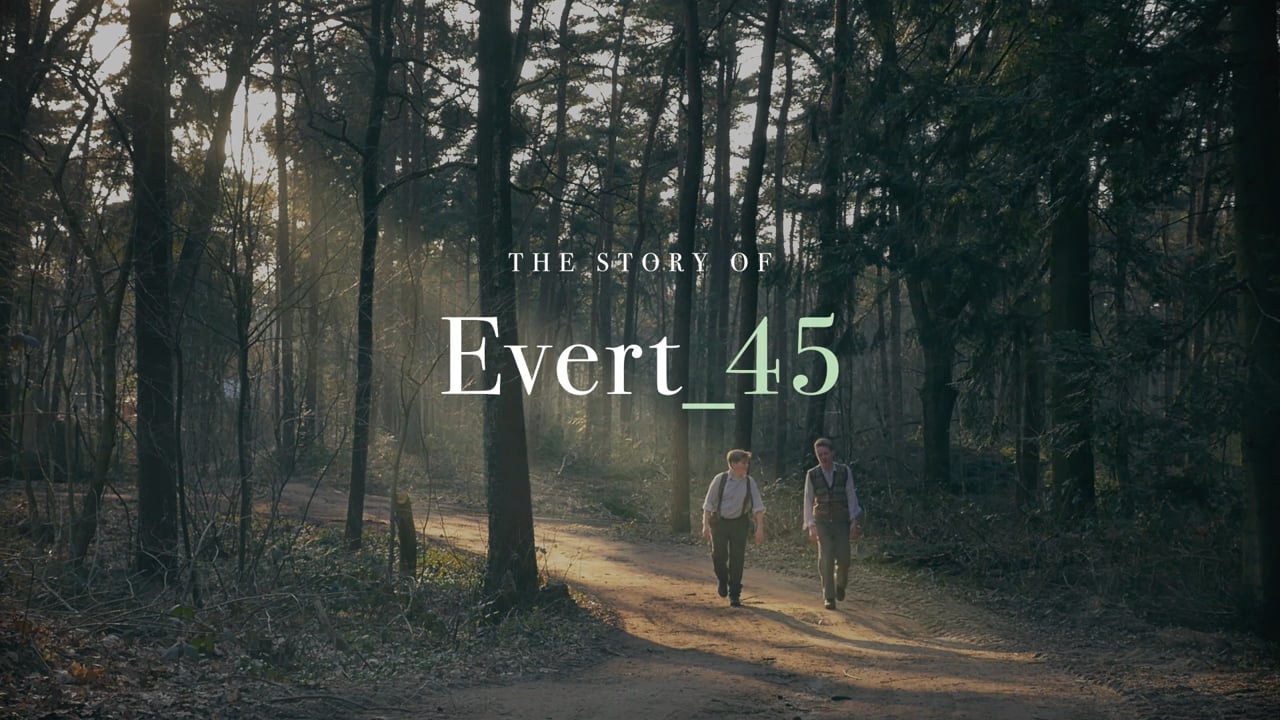
A Living Digital Archive
Beyond the initial social media blitz, the campaign was designed for longevity. The content was preserved at evert45.com, an interactive timeline that allows users to scroll through the war as a cinematic experience. Lead talent Maurits van Brakel, just 13 at the time of filming, became the face of a movement that Yvette Belt of KPN described as a way to reach new waves of students who were too young for the original launch. This "connector of generations" strategy shifted KPN’s brand perception from a utility provider to a vital cultural storyteller.
Creative Strategy Deconstructed
Company
As a leading telecom provider, KPN possessed the digital infrastructure to connect people across generations through technology.
Category
Historical education typically relies on dry textbooks and aging eyewitnesses, which struggle to capture the attention of digital-native audiences.
Customer
Younger generations felt disconnected from WWII history, perceiving it as a distant, black - and - white event unrelated to their lives.
Culture
The rise of vlogging and social media storytelling created a new vernacular for authenticity and personal connection among teenagers.
Company
As a leading telecom provider, KPN possessed the digital infrastructure to connect people across generations through technology.
Category
Historical education typically relies on dry textbooks and aging eyewitnesses, which struggle to capture the attention of digital-native audiences.
Strategy:
Translate historical narratives into contemporary digital dialects to ensure cultural continuity across generational divides.
Customer
Younger generations felt disconnected from WWII history, perceiving it as a distant, black - and - white event unrelated to their lives.
Culture
The rise of vlogging and social media storytelling created a new vernacular for authenticity and personal connection among teenagers.
Strategy:
Translate historical narratives into contemporary digital dialects to ensure cultural continuity across generational divides.
Results
The campaign achieved a reach of 70% of Dutch youngsters in just three weeks. Over 1.3 million minutes of historical lessons were watched on Evert's YouTube channel. The content was widely adopted as educational material in schools throughout the Netherlands. The project received significant media attention, with Vice noting it as 'what Anne Frank would've done if she had a camera instead of a diary.' The campaign successfully bridged the generational gap, with students expressing that the connection between the past and present made history feel contemporary and engaging.
70%
reach among Dutch youngsters
1.3M
minutes of historical lessons watched
100%
adoption as school curriculum
Strategy Technique
Shift the Context
The campaign moved historical education from the boring context of schoolbooks into the entertaining context of social feeds, forcing a new generation to engage with the past on their own terms.
Explore Technique
Creative Technique
Borrow a Familiar Format
By adopting the visual language of YouTube and Instagram, the campaign translated historical trauma into a format youngsters naturally consume, making the past feel immediate and personal rather than distant and academic.
Explore Technique
Craft Breakdown
The campaign's brilliance lies in its seamless integration of historical authenticity with modern digital storytelling formats, making history tangible for a new generation.
The 1945 footage is shot with incredible attention to period detail while perfectly mimicking the handheld, first-person style of modern vlogging.
The scripts for Evert's vlogs successfully translate historical facts into the casual, relatable vernacular of a 13-year-old boy.
The recreation of 1945 Netherlands, from costumes to bombed-out sets, provides a visceral and believable backdrop for the narrative.
The creation of a comprehensive digital archive and the clever use of social media interfaces as a storytelling device are expertly executed.
“The magic comes from the collision of high-end period film production with the low-fi, intimate aesthetics of social media vlogging.”